
Keiko Fujimori wins Peru presidency in narrow vote, pledges unity amid deep divisions
Keiko Fujimori wins Peru presidency July 27, 2026, by a slim margin, promising unity amid deep divisions and doubts over her father’s controversial legacy.
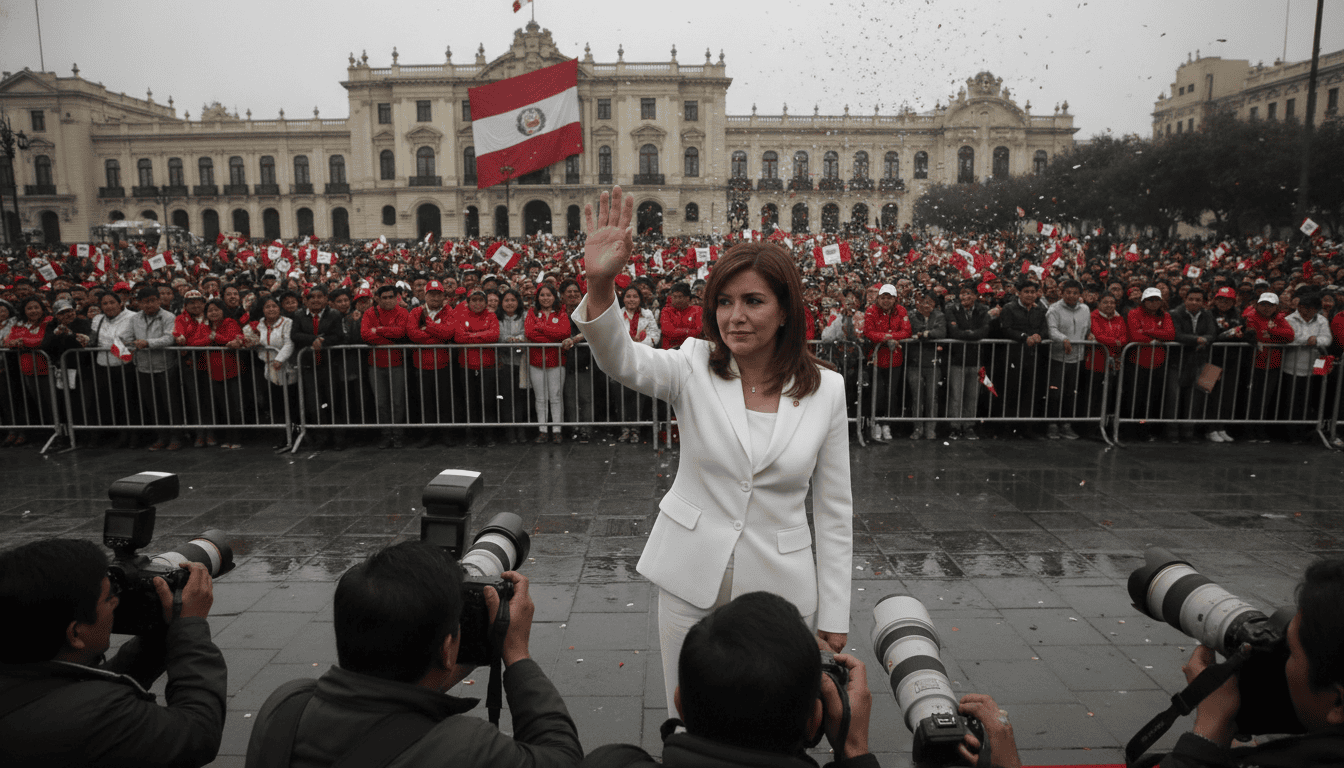
Keiko Fujimori secured the presidency on July 27, 2026, after a tightly contested election that culminated in a narrow win over her left-wing rival. Her victory marks the first time a woman has been elected president of Peru and places her at the center of deep national debate. Fujimori has pledged to unite the country, but analysts and opponents remain sceptical about whether she can bridge the sharp political divides that shaped the campaign.
Fujimori’s Narrow Victory and Historic First
Keiko Fujimori’s win was decided by a small margin that underscored how evenly split the electorate has become. The result drew immediate attention because it ended her fourth presidential campaign after more than a decade of political battles. As the first woman to hold Peru’s highest office, she inherits both symbolic significance and a fraught mandate.
Turnout and geographic splits in voting patterns highlighted the narrowness of her mandate, leaving Fujimori with limited leeway to claim a strong popular endorsement. The slim margin increases the pressure on her to deliver quick, visible results while managing expectations from both supporters and critics.
A Deeply Polarized Electorate
The election exposed longstanding social and regional cleavages, with urban and rural voters diverging sharply on priorities. Economic insecurity, rising crime, and dissatisfaction with political elites were recurring themes that animated different voter blocs. These fault lines will be central to how Fujimori attempts to govern and whether she can assemble effective coalitions.
Political violence was not a hallmark of the campaign, but rhetoric from both sides sharpened tensions and left many citizens wary of escalation. Achieving national reconciliation will require measurable policy moves and inclusive outreach to communities that feel politically marginalised.
Questions Around the Fujimori Legacy
Observers immediately raised questions about how Keiko Fujimori might relate to the legacy of her father, former president Alberto Fujimori. Alberto Fujimori’s tenure is a polarising reference point in Peruvian politics, associated with both authoritarian measures and market-oriented reforms, as well as human rights abuses and corruption convictions. Many Peruvians expressed concern that elements of his approach could resurface under his daughter’s leadership.
Keiko Fujimori has repeatedly distanced herself from the worst excesses of her father’s rule while praising some of the policies she credits with stabilising the country in the 1990s. That balancing act will be scrutinised by human rights groups, the judiciary, and international observers as her government begins to set priorities and appoint senior officials.
Analysts Weigh in on Governance Risks
Regional and international analysts say Fujimori faces immediate institutional constraints that could limit bold policy moves. Jose Ragas, a historian and assistant professor at the Catholic University of Chile, warned that entrenched divisions in Peru’s political class could stymie legislation and block appointments. Renata Segura of the International Crisis Group cautioned that the window for building consensus is narrow and that missteps could provoke street protests or legislative deadlock.
Christopher Sabatini, director of the Latin America Programme at Chatham House, emphasised the economic side of the challenge, noting that investor confidence will depend on clear, predictable policies and respect for democratic institutions. Together, these assessments paint a picture of a presidency that will be judged as much by its management of institutions as by headline reforms.
Political Outlook: Can She Finish Her Term?
Peru’s recent history of political instability feeds into questions about whether Keiko Fujimori will be able to complete her full term. Several recent presidents have faced impeachment attempts, mass protests, or judicial entanglements that curtailed their time in office. The narrowness of Fujimori’s victory makes her vulnerable to opposition moves in a fragmented Congress.
Success will likely hinge on concrete steps to address crime and the economy, appointments that reassure moderates, and a willingness to engage with civil society and international partners. If Fujimori can demonstrate early competence and restraint, she may blunt calls for extraordinary measures; failure to do so could rapidly erode her political capital.
Keiko Fujimori’s presidency begins at a fraught moment for Peru, with expectations of both change and continuity competing in the public arena. The coming weeks will be critical as she names ministers, outlines policy priorities, and seeks to transform a narrow electoral victory into workable governance.
