
Yellow jacket sting: symptoms, risks and when to seek emergency care
Learn symptoms, allergic reactions, first aid and prevention for a yellow jacket sting. When to use an EpiPen and seek immediate medical care this summer.
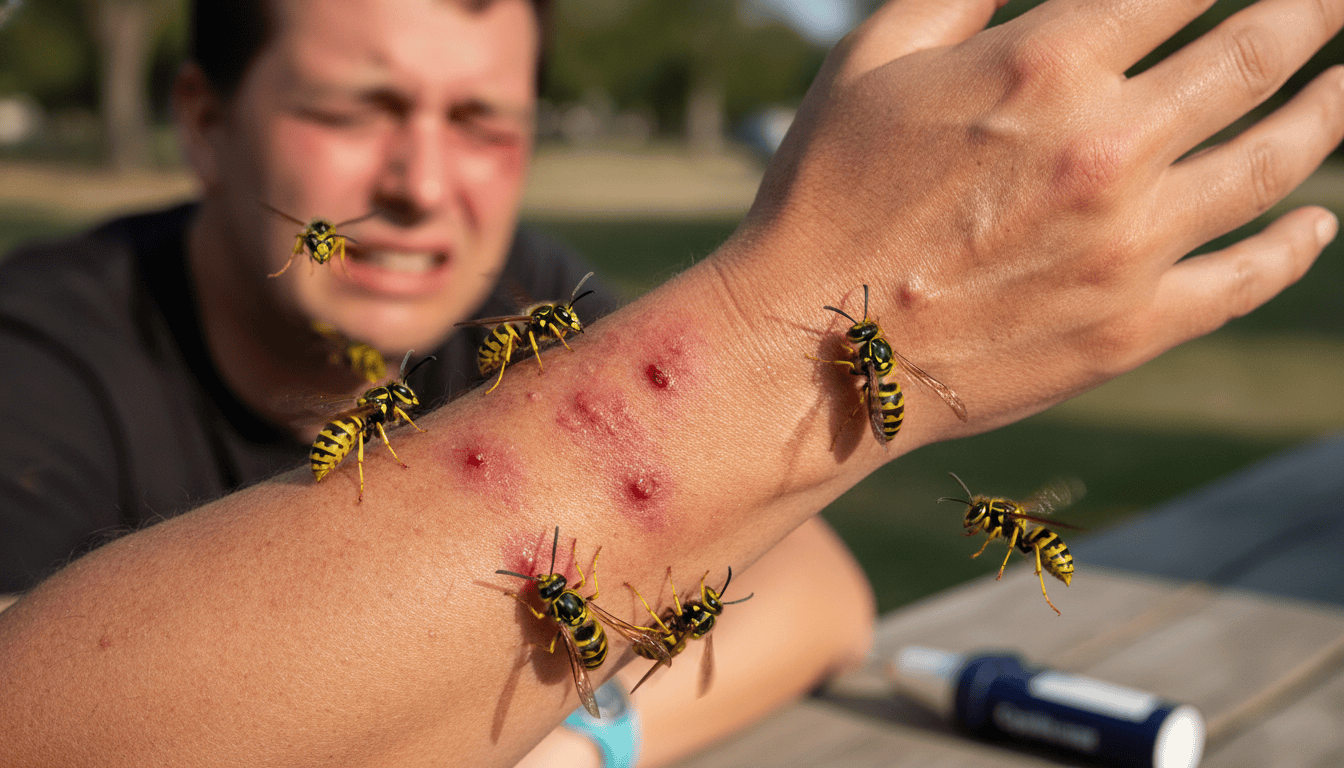
A yellow jacket sting can cause sharp pain, rapid swelling and intense itching at the site, and in some people it may trigger a life-threatening allergic reaction. As outdoor activity rises in warm months, health officials warn that awareness of symptoms, basic first aid and the signs of anaphylaxis is critical. This guide outlines typical reactions, red flags for emergency care, and steps to reduce your risk.
Immediate symptoms and typical local reactions
Yellow jacket stings usually produce a sudden, sharp pain followed by redness and swelling localized to the sting site. The pain often subsides within hours, but itching can become pronounced and persist for days.
The area may become warm, tender and raised; in some cases the swelling spreads beyond the sting location. Most people experience only these local symptoms and recover with simple self-care.
Allergic reactions and signs of anaphylaxis
Some individuals develop systemic allergic reactions after a yellow jacket sting, which can escalate to anaphylaxis within minutes. Warning signs include widespread hives, facial or throat swelling, difficulty breathing, wheezing, chest tightness, dizziness, or collapse.
Anaphylaxis is a medical emergency; an EpiPen (epinephrine auto-injector) should be used immediately if available, and emergency services must be contacted even if symptoms appear to improve. Rapid treatment in a hospital may include intravenous fluids, oxygen and medications to stabilize breathing and blood pressure.
Delayed reactions and serum sickness
Not all dangerous responses occur immediately. A delayed immune response, often called serum sickness–like reaction, can develop hours to days after a sting. Symptoms may include fever, joint pain, swollen lymph nodes, nausea and a flu-like feeling that persists beyond the initial local reaction.
These delayed reactions are relatively uncommon but can require medical evaluation if symptoms worsen or are accompanied by spreading rash, fever, or prolonged fatigue. Follow-up with a healthcare provider helps distinguish a benign course from complications that need treatment.
First aid steps and emergency treatment
For most yellow jacket stings, immediate care focuses on reducing pain and preventing infection: wash the site with soap and water, apply a cloth-covered ice pack for 10 minutes at a time, and consider an over-the-counter pain reliever. Topical anti-itch creams or oral antihistamines can ease itching and swelling for mild cases.
If signs of a severe allergic reaction appear, administer epinephrine without delay, call emergency services, and keep the person lying down with feet elevated if they are dizzy or faint. In the emergency department, clinicians may give antihistamines, corticosteroids, intravenous fluids and oxygen, and monitor cardiac and respiratory function.
Who is at higher risk of severe reactions
Certain factors increase the likelihood that a yellow jacket sting will produce a severe reaction. People with a history of prior stings that caused systemic symptoms, older adults, and those who have been stung multiple times face greater risk. Men and people assigned male at birth have been observed to experience higher rates of severe insect-sting reactions in some studies.
Lack of skin symptoms after a sting can also be concerning, as some patients who develop severe systemic signs do not initially show marked local swelling. Anyone with a known venom allergy should carry an epinephrine auto‑injector and have a clear emergency plan.
How to reduce your risk outdoors
Reduce the chance of a yellow jacket sting by wearing light-colored clothing, avoiding floral prints and strong fragrances, and keeping food and sweet drinks covered during outdoor meals. Stay still or move away slowly if a yellow jacket approaches, and be vigilant around trash bins, recycling containers and compost where these wasps forage.
Inspect outdoor spaces for nests and consider professional removal if a nest is close to living areas. If you work or recreate in areas with frequent yellow jacket activity, discuss allergy testing and possible venom immunotherapy with a healthcare provider.
As social wasps that can sting repeatedly, yellow jackets are a common summertime hazard but one that is manageable with preparation, prompt first aid and clear knowledge of emergency signs. If you or someone with you develops breathing difficulties, facial swelling, fainting, persistent vomiting, or rapid heartbeat after a sting, treat it as an emergency and seek immediate medical care.
