
Morocco leads regional fashion with standout 2026 World Cup kits
Ranked review of the 2026 World Cup kits from five North African and Middle Eastern teams, spotlighting Morocco’s top set and regional design trends now.
The 2026 World Cup kits from five North African and Middle Eastern teams have drawn clear lines between tradition and modern performance design, with Morocco emerging as the strongest overall set. The ranking evaluates how each nation balanced cultural motifs, manufacturing quality and commercial appeal across home and away shirts. Fans and commentators are already debating which designs will become best-sellers and which will be remembered for their symbolism rather than their sales.
Morocco tops regional kit rankings
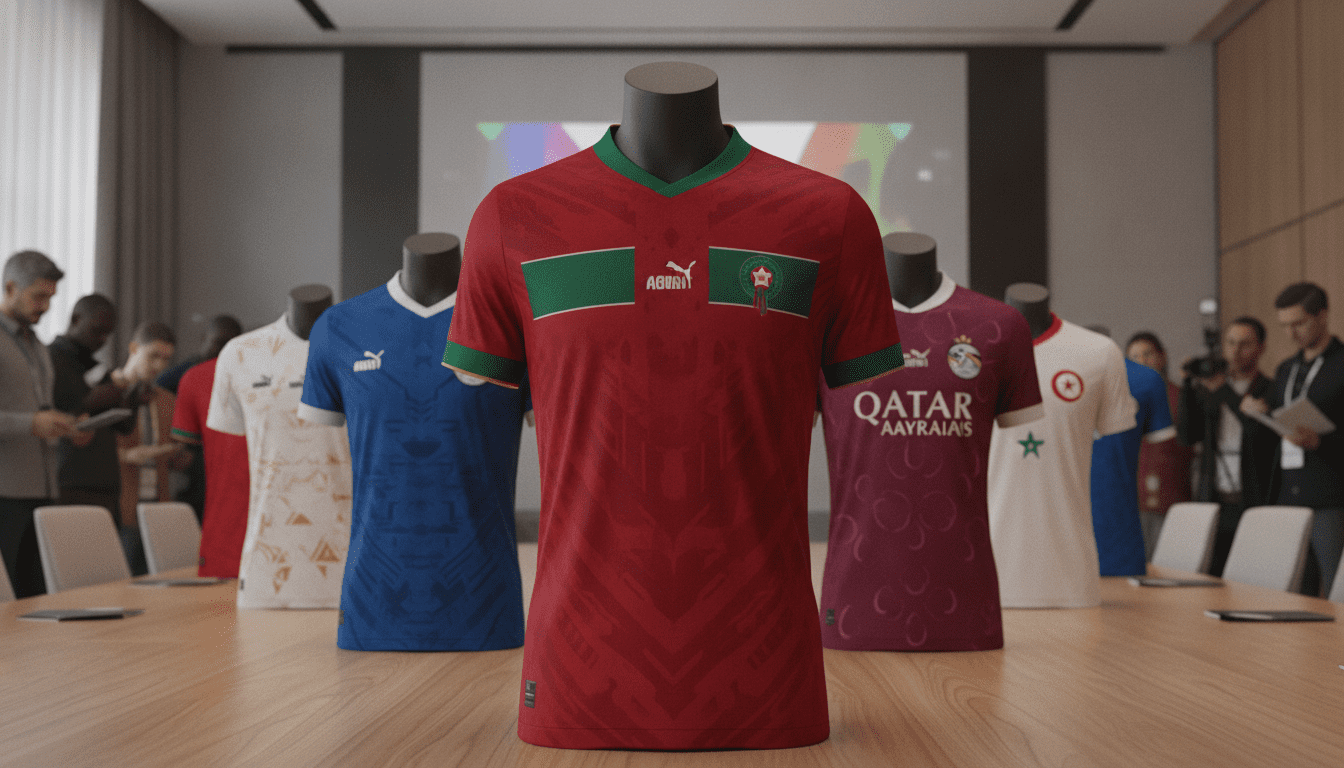
Morocco’s kit, produced by Puma, leads the regional list for its blend of national craft and contemporary sport technology. The home shirt pairs a deep red field with green trims and collar embroidery that references traditional Moroccan stitching techniques. The away shirt uses a restrained white base with geometric motifs inspired by tilework, creating a coherent identity across the set.
The consistency between the two strips and the visible nods to local craftsmanship were decisive factors in placing Morocco first. Observers praised the way the design communicates national identity without sacrificing the performance-focused construction expected at this level. The result is a kit that reads equally well on shelves, on players and in cultural commentary.
Saudi Arabia’s divisive designs draw attention
Saudi Arabia’s Adidas collection has provoked split reactions, signaling that ambitious design choices can polarize supporters. The home kit layers architectural and regional patterns across a deep green base, producing a visually dense effect that some see as richly detailed and others as overly busy. The inclusion of textured motifs and complex patterning was intended to echo local architecture and craft traditions.
The away kit takes a lighter approach, introducing gold accents and a subdued palette that seeks to elevate a simple silhouette. Whether fans prefer the ornate home design or the refined away version, the Saudi set has achieved the key designer objective: it is talked about. That attention alone may translate into stronger merchandise demand, regardless of divided opinions.
Tunisia and Qatar deliver cohesive, workmanlike options
Tunisia’s kits from Kappa rely on a clear thematic anchor: the Eagle of Carthage. Subtle feather-inspired detailing across shoulders and sleeves adds texture without overwhelming the core red identity. The away variant leans into the same motif while emphasizing continuity, giving Tunisia a compact, easily marketable uniform family.
Qatar’s national team opts for a familiar, polished look, with a maroon home shirt and a white away that borrows dune-inspired patterns and geometric cues from the landscape. The central zig-zag motif subtly references the national flag, while softer grey tones on the away kit introduce a modern, performance-oriented aesthetic. Together, these choices make both teams’ kits dependable options for supporters seeking tradition with clean execution.
Algeria’s desert narrative shapes its kits
Algeria’s kits take a narrative approach, translating the country’s varied terrain into fabric and pattern. The cream-colored home shirt channels the Sahara’s dunes through tonal patterning, while the darker green away strip references Algeria’s more rugged northern landscapes. The use of the national crest and careful detailing helps anchor the aesthetic in national iconography.
Designers opted for storytelling over flash, and the result is a set with clear concept and restrained execution. While not the most eye-catching at first glance, Algeria’s kits reward closer inspection and offer a coherent visual identity that aligns with current trends toward heritage-driven designs.
Sales, symbolism and the commercial stakes
Beyond aesthetics, the 2026 World Cup kits reflect commercial strategy and identity politics as much as design trends. Manufacturers are balancing global merchandising ambitions with requests from national associations to incorporate traditional motifs. That tension is visible across the five sets, where elements such as embroidery, architecture-inspired prints and landscape references serve dual roles: cultural signifier and product differentiator.
Retail performance will depend on how well those cultural cues translate into broader consumer appeal, especially among diaspora communities and global collectors. Early reactions on social media and from football shirt commentators suggest Morocco and Saudi Arabia may lead on preorders, while Tunisia and Qatar will appeal to buyers who prefer consistency and subtlety.
Fans and federations will also watch how the kits perform on the pitch, where factors like fabric breathability and fit matter in earnest competition. As teams begin their World Cup campaigns, images of each shirt in play will shape public opinion more than any pre-tournament commentary can.
Final ranking decisions like this one underline a larger trend in football apparel: national teams are using kit launches to tell cultural stories while trying to meet the commercial demands of a global market. The five 2026 World Cup kits examined here show different answers to that challenge, from Morocco’s craft-led approach to Saudi Arabia’s willingness to provoke a conversation.
