
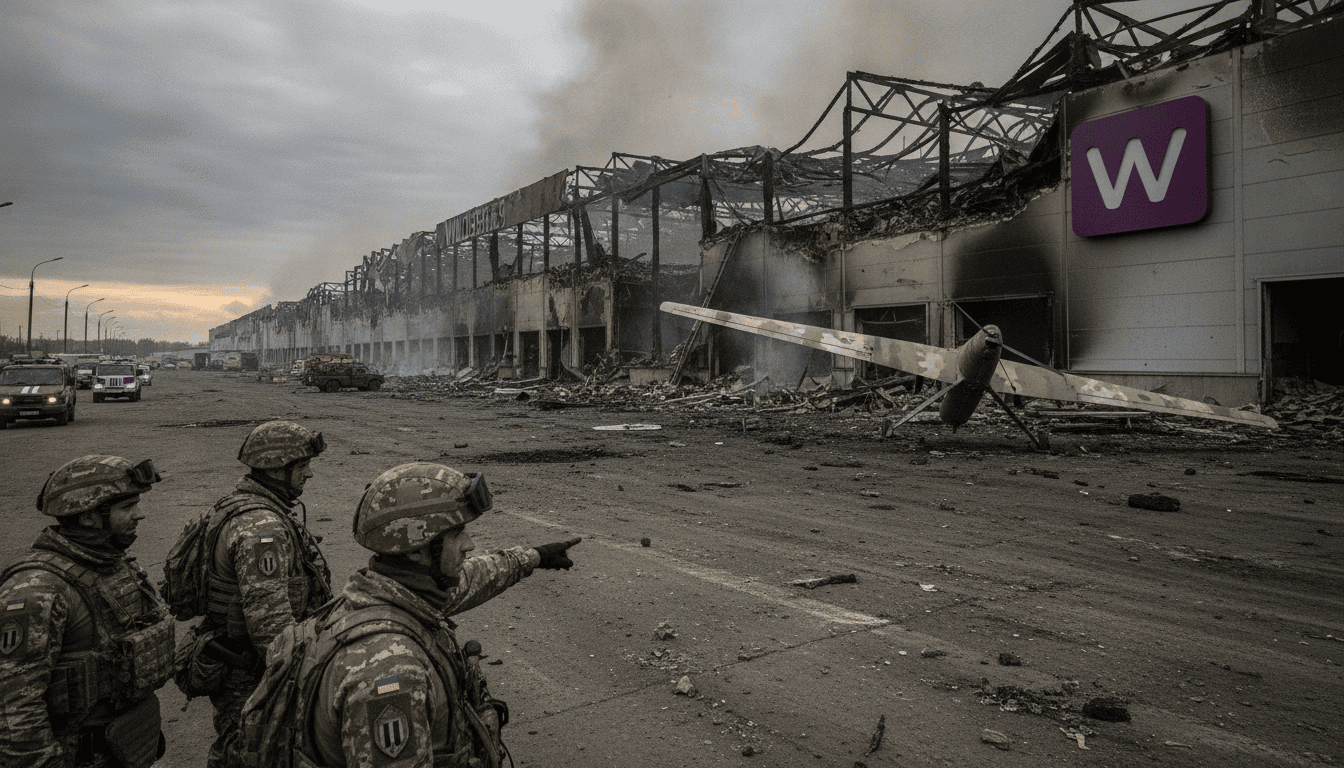
Wildberries Warehouses Hit by Ukrainian Drone Strikes, Sparking Fires and Supply Disruptions
Ukraine strikes logistics hubs of Wildberries, Russia’s largest online retailer, with drones and missiles, igniting major fires and disrupting e-commerce and seller networks across the country.
Russian logistics and retail giant Wildberries came under sustained attack this month as Ukrainian forces struck multiple warehouse complexes, setting large fires and forcing evacuations at sites in and around St. Petersburg, Moscow and several southern regions. The assaults, which Kyiv says targeted facilities supplying parts and dual-use goods to the Russian military, have provoked sharp responses from Russian officials and stirred alarm among independent sellers who rely on the platform. (apnews.com)
Major warehouse fires reported across several regions
Emergency services in multiple Russian regions reported significant blazes after drone and missile strikes hit Wildberries distribution centers, with footage and eyewitness accounts showing smoke rising from industrial parks and roads closed near affected sites. Officials in St. Petersburg and nearby districts said fires were brought under control only after extended operations, and local hospitals treated a number of injured workers and passersby. (meduza.io)
Kyiv frames strikes as disruption of military supply chains
Ukrainian authorities have presented the operations as targeted measures against logistics nodes they say facilitated the flow of dual-use items — including communications equipment, drone components and protective gear — into Russian military supply lines. Kyiv’s public statements and defense officials have linked the warehouse network to broader military procurement, arguing that striking logistics infrastructure is a strategy to hinder Russia’s operational capacity. (washingtonpost.com)
Wildberries sellers and customers face immediate fallout
Independent vendors who list goods on Wildberries reported halted deliveries, clogged return systems and sudden drops in orders as warehouses burned or were temporarily closed, threatening inventory and income for small businesses across Russia. Shoppers also found delays and shortages for everyday items previously sold on the platform, highlighting how the strikes have translated into tangible disruptions for consumers accustomed to rapid e-commerce fulfillment. (apnews.com)
Company profile and scrutiny of business ties
Wildberries, often described as Russia’s answer to Amazon, operates an extensive logistics network that has expanded rapidly since Western brands left the Russian market, and its founder has drawn attention from regulators and commentators for close ties with political and commercial partners. Analysts note the company’s scale — with hundreds of logistics sites and a prominent market share — makes it both strategically valuable and politically exposed in the context of a prolonged conflict. (apnews.com)
Kremlin and local officials condemn the attacks as terrorism
Russian authorities denounced the strikes as “terrorist” acts and vowed to respond, framing the attacks as assaults on civilians and economic infrastructure; state media amplified images of burning warehouses and displaced workers to underscore the human and economic costs. Moscow has also linked the incidents to broader security concerns, mobilizing emergency resources and signaling potential retaliatory measures while invoking legal and political mechanisms to investigate the damage. (theguardian.com)
Broader implications for Russia’s logistics and economy
The targeting of major logistics hubs exposed vulnerabilities in Russia’s e-commerce backbone and raised questions about supply-chain resilience in wartime, with commentators warning that repeated disruptions could accelerate price spikes and shortages for common consumer goods. Economists and industry observers say prolonged interruptions at major fulfillment centers could ripple through related sectors — from parcel delivery to retail employment — compounding the economic strain already driven by sanctions and conflict. (apnews.com)
Analysts caution that attacks on logistics networks are part of a wider campaign to degrade military support capabilities, while also creating domestic pressure within Russia by affecting everyday commerce and livelihoods. The immediate priority for authorities and businesses is damage assessment, continuity planning and managing the humanitarian and economic consequences for displaced workers and small vendors dependent on the platform.
