
US-Iran ceasefire at risk as threats and diplomatic talks stall
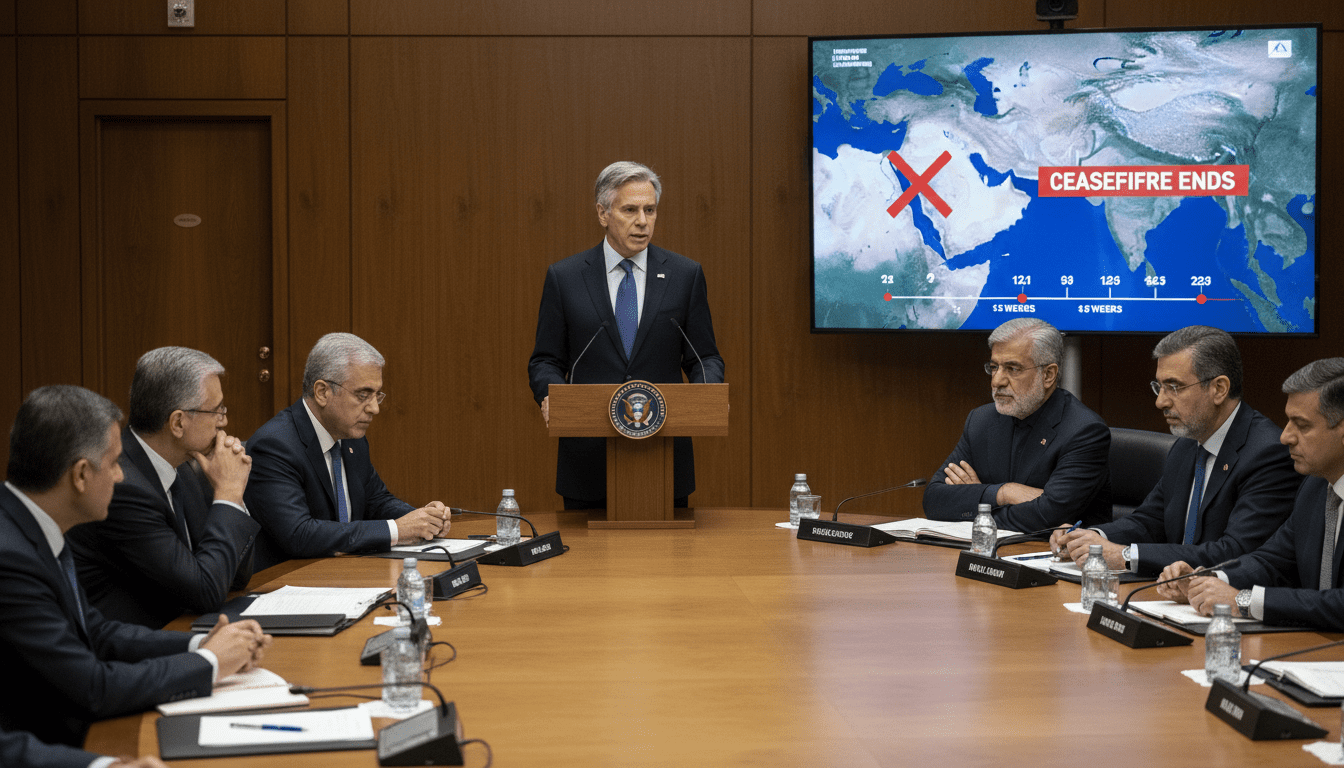
As a two-week US-Iran ceasefire edges toward its April 22, 2026 expiration, exchanges of threats have intensified and diplomatic talks remain uncertain, raising fears of renewed hostilities and market disruption.
Parliament Speaker Mohammad Bagher Ghalibaf warned Tehran has prepared to unveil “new cards on the battlefield” if talks collapse, while US President Donald Trump threatened unspecified “problems” should negotiations fail. The planned second round of talks in Islamabad is in doubt after the United States seized an Iranian‑flagged vessel near the Strait of Hormuz, a move Tehran condemned and markets reacted to with a fresh rise in oil prices.
Iran Signals Military Options
Iran’s parliamentary leader publicly said the country was ready to change its approach on the battlefield if the ceasefire ends without a deal. The comment was framed as a refusal to accept talks conducted under what Tehran calls coercive conditions, suggesting military posturing will be paired with diplomatic rhetoric.
Officials in Tehran have emphasized that any return to combat would be contingent and calibrated, aimed at strengthening Iran’s negotiating position rather than provoking open regional war. Analysts caution, however, that even limited escalations around chokepoints such as the Strait of Hormuz risk broader confrontations and unintended consequences.
US Issues Stern Warning
In televised and radio interviews, the US president issued stark warnings to Iran, saying the United States would respond forcefully if negotiations collapse. He framed US policy around preventing Iran from acquiring nuclear weapons and indicated military options would be on the table if diplomacy fails.
US spokespeople have reiterated that Washington prefers a negotiated settlement but will not tolerate what it characterizes as existential threats from Tehran. That posture raises the prospect of a dangerous standoff if neither side is willing to compromise on core demands.
Islamabad Talks Face Uncertainty
Diplomatic efforts to extend the ceasefire hinge on a proposed second round of talks in Islamabad, but participation by Iran is not confirmed. Reporting from Tehran indicates Iranian authorities want negotiations without the shadow of coercion, and no formal decision had been announced regarding attendance.
Both sides reportedly carry a lengthy list of conditions that complicate immediate agreement. Negotiators will need to bridge disputes over maritime security, sanctions relief, war reparations and regional influence before a durable deal can be achieved.
Vessel Seizure Heightens Tensions
The night-time seizure of an Iranian-flagged vessel near the Strait of Hormuz by US forces or allied authorities provoked sharp condemnation from Tehran and alarm among international observers. Iran called the move a violation of the ceasefire and a factor undermining trust in the talks.
Maritime analysts note the Strait of Hormuz remains one of the world’s most sensitive maritime corridors, where any aggressive actions can quickly disrupt shipping and energy markets. The seizure also complicated diplomatic timelines by hardening public postures on both sides.
Economic Reverberations and Oil Markets
Global oil prices reacted to the deterioration in relations, reflecting investor concerns about supply stability from the Gulf. Traders responded to both the seizure and the deteriorating diplomatic signals, pushing prices higher and adding pressure on import-dependent economies.
Beyond energy markets, businesses and insurers are reassessing risks for shipping and trade through the region, and regional investors are monitoring developments closely. A prolonged breakdown in diplomacy would likely prolong market volatility and raise the cost of maritime insurance and security.
Key Negotiation Obstacles
Officials and analysts identify several core sticking points that must be resolved for talks to succeed: control and freedom of navigation in the Strait of Hormuz, the scope and sequencing of sanctions relief, demands for war reparations, limits on ballistic missile development, and Iran’s regional alliances. Each issue carries domestic political sensitivity for both capitals.
Observers say progress will require phased, verifiable steps and third-party guarantees that reduce incentives for either side to renege. Any deal that neglects core security concerns risks collapse under domestic backlash in Tehran or Washington.
The ceasefire, set to expire on April 22, 2026, remains the immediate test of whether diplomacy can outpace recrimination and brinkmanship. As negotiators and leaders weigh their next moves, regional actors and global markets are watching closely for signs the pause in violence can be extended into a sustainable settlement.
