
TotalEnergies offshore wind deal triggers multistate lawsuit over lease cancellations
TotalEnergies offshore wind deal fuels lawsuit as seven states challenge Trump administration payments and raise doubts about the future of US offshore wind.
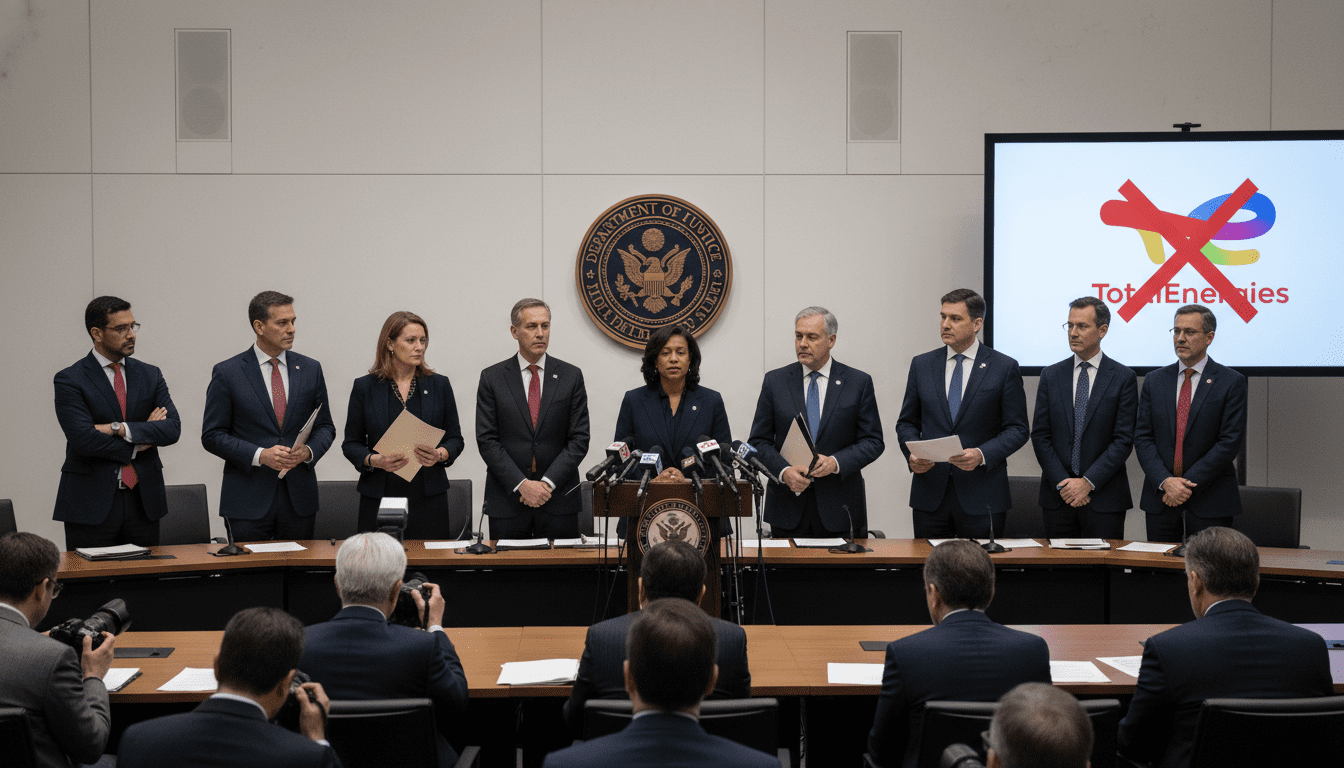
TotalEnergies offshore wind agreements with the federal government have become the center of a legal and political storm after the company agreed to abandon two major U.S. projects in exchange for nearly $1 billion and a pledge to shift investment into oil and gas. Seven northeastern states and the federal government are now engaged in litigation that questions the legality of the lease cancellations, the use of federal funds to pay developers, and the effect on regional electricity reliability and state climate commitments.
Details of the cancelled projects and the settlement
The dispute stems from two planned offshore wind farms that TotalEnergies had been developing for the U.S. coast. The larger Attentive Energy project was sited roughly 54 miles (87 km) south of Jones Beach and was projected to supply power to about one million homes and businesses across New York and New Jersey. The smaller Carolina Long Bay project targeted North Carolina with a planned start in the early 2030s.
In March, the company reached an agreement with the administration to relinquish the leases for those projects in return for a $928 million payment and a commitment to redirect capital to oil and gas projects. Around the same time the administration cut similar deals to cancel two other leases — Golden State Wind off Morro Bay, California, and Blue Point Wind off New York — bringing the total federal payout for four lease withdrawals to more than $2 billion.
States’ legal claims and procedural challenges
The attorneys general for seven northeastern states filed suit this week, arguing the Interior Department failed to provide a reasoned explanation for cancelling the leases or to account for state reliance interests and statutory climate and reliability goals. The complaint contends the department did not explore alternative approaches or offer a genuine justification for the unprecedented use of payments to end active offshore wind developments.
The states also question the use of the Judgment Fund to finance the settlements, saying the fund requires a legitimate dispute over liability or amount — conditions they argue are absent here because the projects were progressing when the agreements were struck. Legal experts cited in the complaint warn the administrative actions could set a broad precedent affecting other ocean-based leases for wind, mining and oil and gas.
Subpoenas and investigations escalate scrutiny
California’s Energy Commission issued a subpoena to Golden State Wind seeking all documents and communications related to its deal with the federal government, noting the state has already invested more than $100 million in port, mooring and other preparatory infrastructure. That inquiry could prompt separate litigation by California against the developer or the federal government, legal analysts said.
Congressional inquiries have also been launched, with members requesting documents tied to the agreements and questioning whether taxpayer money was lawfully used to withdraw from renewable energy leases. Industry officials and watchdogs say additional subpoenas or suits are likely as regulators and lawmakers seek to trace the negotiations that led to the lease cancellations and payments.
Administration rationale and security concerns
Officials in the Interior Department cited security concerns flagged by the Pentagon as a primary reason for cancelling the leases. The states’ lawsuit disputes that claim, asserting the projects had been examined and potential security issues addressed prior to award. Department and Pentagon statements asserting national-security grounds have become a key flashpoint in both courtroom filings and public debate.
More broadly, the cancellations reflect a policy shift by the administration that has prioritized fossil fuels while rolling back measures supporting renewable technologies adopted under the previous administration. That pivot has compounded uncertainty for developers who must plan projects that can take many years to reach commercial operation.
Industry reaction and developer reasoning
TotalEnergies said at the time of the March agreement that studies showed offshore wind developments in the United States are more costly than in Europe and could negatively affect power costs for U.S. customers. Company leadership also argued that the project timeline and changing administrations make long-term investment in U.S. offshore wind unpredictable, saying cyclical policy shifts undermine multi-year projects.
Offshore wind industry groups counter that the technology is well-suited to serve dense coastal load centers and cited existing projects that already deliver significant capacity to the grid. Analysts note offshore wind costs, while higher than the cheapest onshore alternatives, compare favorably with gas and coal on a levelized cost basis, and could play a role in meeting peak demand if deployed alongside other renewable sources.
Investment and workforce implications for coastal states
State officials and industry observers warn that further lease withdrawals would compound losses for states that have already invested in ports, supply chains and workforce training for offshore wind. Attorneys general argue those investments were made in good faith based on federal lease awards and that cancelled projects would have supported skilled jobs and local economic activity.
Some institutional investors have reacted to TotalEnergies’ withdrawal by re-evaluating their holdings, and analysts say the controversy could chill future domestic and international investment in U.S. renewable projects. Observers suggest companies that persist in developing leases despite federal pressure may fare better over the long run, but acknowledge the near-term business environment has grown more uncertain.
The litigation and investigations now moving through state courts and regulatory agencies could reshape how the federal government awards and terminates ocean energy leases and how developers assess political risk for long-term clean-energy investments. The outcome will be watched closely by states, utilities, investors and the wider offshore wind industry as decisions made now reverberate through supply chains, capital planning and energy reliability for coastal regions.
