
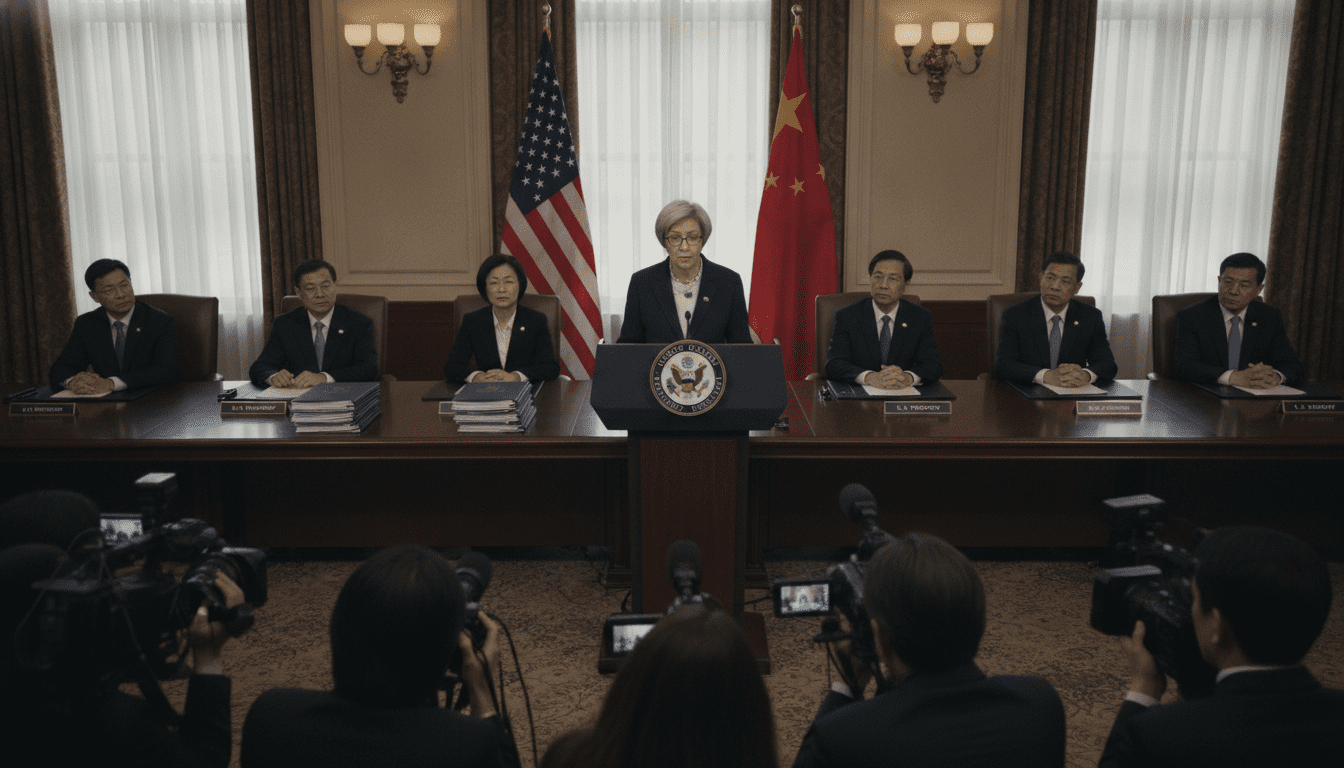
US Treasury posts fresh Iran-related sanctions targeting six individuals, four entities
US Treasury posts new Iran-related sanctions targeting six individuals and four entities, including Chinese-linked firms, to disrupt Tehran’s illicit networks.
The United States Treasury announced a fresh set of Iran-related sanctions that designate six individuals and four entities, according to a notice posted on the department’s website this week. The move, attributed to the Trump administration in the Treasury notice, targets networks the U.S. says facilitate Iran’s procurement and financial activities overseas. The action underscores Washington’s continued reliance on economic measures to pressure Tehran and to disrupt the global support structures that enable sanctioned activities.
Treasury notice lists six individuals and four entities
The Treasury notice identifies a specific set of targets described as facilitators of Iran’s international procurement and financial operations. The announcement named six people and four organizations as newly sanctioned, though the notice provided limited public detail about each individual’s role. The department said the measures are part of a broader U.S. effort to impede networks that support Iran’s contested activities.
Some targets linked to Chinese entities and commercial networks
Among the entities cited in the Treasury notice, several are described as having ties to firms or intermediaries based in China, reflecting concerns about cross-border commercial links that can be used to circumvent sanctions. The Treasury statement singled out Chinese-linked companies and traders as playing a role in procurement chains that move goods and components tied to Iran’s strategic programs. U.S. officials characterise such linkages as examples of how global trade networks can be repurposed to supply sanctioned programmes.
Sanctions framed as countering Iran’s destabilizing activities
The U.S. framed the new designations as necessary steps to counter activities Washington regards as destabilising in the Middle East and beyond. Treasury officials said the sanctions are aimed at depriving Tehran of resources and technologies that could further advance programmes the United States and its partners find threatening. The notice reiterated longstanding U.S. policy that economic restrictions can be an effective non-military instrument to limit capabilities deemed harmful to regional stability.
Implications for transnational trade and finance
Analysts say the designations could complicate legitimate trade and financial relationships for firms operating near the sanctions thresholds, particularly those that maintain business with both U.S. and Chinese partners. Banks, shippers, and suppliers often conduct heightened due diligence following such listings to avoid secondary sanctions or loss of correspondent relationships. The Treasury’s action therefore carries potential ripple effects across sectors that rely on complex supplier chains tied to the designated entities or individuals.
Enforcement mechanisms and warning to third parties
The Treasury notice reiterated enforcement tools available to U.S. authorities, including asset freezes and prohibitions on U.S. persons engaging with designated parties. The department also warned non-U.S. entities that facilitate significant transactions for sanctioned persons risk secondary measures. Officials framed these warnings as part of an effort to deter third-party actors from enabling sanctionable behaviour and to tighten global compliance with U.S. restrictions.
Legal and diplomatic avenues for responses
Designated parties typically have limited administrative or legal recourse within U.S. enforcement frameworks, though some may seek review or challenge through diplomatic channels or U.S. legal processes in specific circumstances. Countries and companies affected by the designations may pursue clarifications, exemptions, or licences where legitimate humanitarian or commercial interests are implicated. The Treasury’s public notice functions both as enforcement action and as a signal to partners and markets about the U.S. approach to Iran-related compliance.
The new Iran-related sanctions mark another step in a sustained U.S. campaign of economic pressure designed to disrupt networks that support Tehran’s strategic activities, and they reinforce the Treasury’s focus on transnational supply chains. Markets, banks, and commercial operators linked to the designated parties will now weigh compliance obligations and potential business impacts as the diplomatic and legal reverberations of the listings unfold.
