
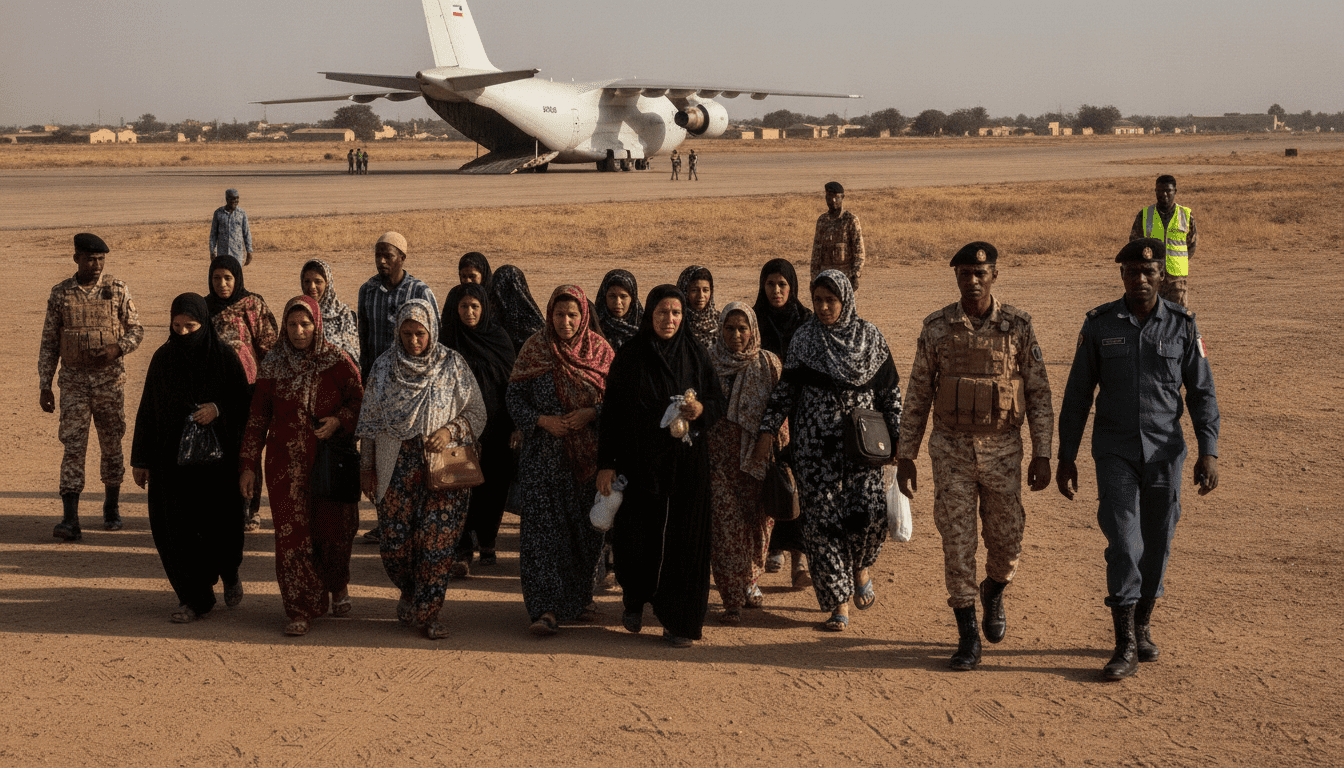
US Plans Deportations to Central African Republic Including Iranian Nationals
US plans deportations to the Central African Republic, including Iranian nationals. Sources and lawyers say two women previously granted protection in the United States may be among those slated for removal.
US plan to deport migrants to Central African Republic
The Biden administration’s successor policies include arrangements to transfer migrants to third countries, and officials are now preparing to use the Central African Republic as a receiving state for some deportations. Sources and lawyers familiar with the matter said a group of migrants has been identified for relocation under that arrangement. The development marks a notable shift in the destinations being considered for removal of noncitizens.
Group reportedly includes Iranian women with prior protection
Among those named by sources are two Iranian women who had previously been granted legal protection in the United States. Those familiar with the case say the women had obtained relief prior to the decision to transfer them, raising questions about the grounds for reversal. Their inclusion has alarmed legal advocates because it touches on protections that are normally difficult to undo once granted.
Legal basis and procedural questions remain unclear
Details about the legal rationale for removing individuals who were previously protected were not immediately available, according to the sources. Lawyers handling related cases said they had not yet seen public notices or formal orders explaining the basis for the deportations. Immigration experts noted that removing people with prior protective statuses can trigger complex appeals and humanitarian review processes.
Central African Republic agreement and diplomatic implications
The Central African Republic has agreed to accept deportees from third countries under a bilateral arrangement that sources describe as recent and increasingly utilized. Officials from both governments have been reported to engage in discussions about logistics and reception capacity, but formal diplomatic statements were not issued. Analysts say the use of a Central African destination could set a precedent for transfers to countries with limited capacity for integration or protection.
Advocates and legal organizations voice concern
Human-rights groups and immigration lawyers expressed immediate concern about the prospective transfers and the welfare of deportees returned to the Central African Republic. Advocates highlighted the vulnerability of migrants, particularly women who had been granted protection, and called for transparency regarding legal procedures and safeguards. Several organizations signaled they would seek emergency legal remedies if removal orders proceed without clear due process.
Timing, detention sites and official silence
The timing of the planned deportations and the specific logistics—such as departure dates or detention locations—remain uncertain, and authorities have not publicly commented on the reports. Sources cited by lawyers indicated that some of those involved are currently held at facilities where immigration enforcement operations have recently drawn protests. Without an official statement, affected individuals and counsel face difficulty filing timely challenges or obtaining concrete information.
Potential legal pathways for affected migrants
Lawyers said there are several procedural options to challenge deportation orders, including motions to reopen or stay of removal and filings based on changed circumstances or misapplied law. Where individuals have previously secured protection, attorneys will likely press for reinstatement of prior orders and seek judicial review. Legal experts cautioned, however, that such processes can be lengthy and are influenced by evolving policy directives and administrative discretion.
The reported plan to use the Central African Republic as a destination for deportations adds a complex international dimension to U.S. immigration enforcement, and it is likely to prompt further scrutiny from courts, advocacy groups, and foreign interlocutors as more details emerge.
