
Iraq Vows to Defend Its Sovereignty After Deadly US-Saudi Strikes
Iraq vows to defend its sovereignty after deadly US-Saudi strikes, unveiling a security plan to stop Iraqi territory being used to threaten neighboring states.
Iraq announced a nationwide security response on Wednesday after what it described as deadly strikes carried out by US and Saudi forces inside Iraqi territory. Baghdad said it would strengthen control across the country to prevent any actor from using Iraqi soil to mount attacks on neighbouring states. The move reflects growing concern in Baghdad about violations of its territorial integrity and the risk of escalation in a volatile region.
Iraq’s Ministerial Council issues security directive
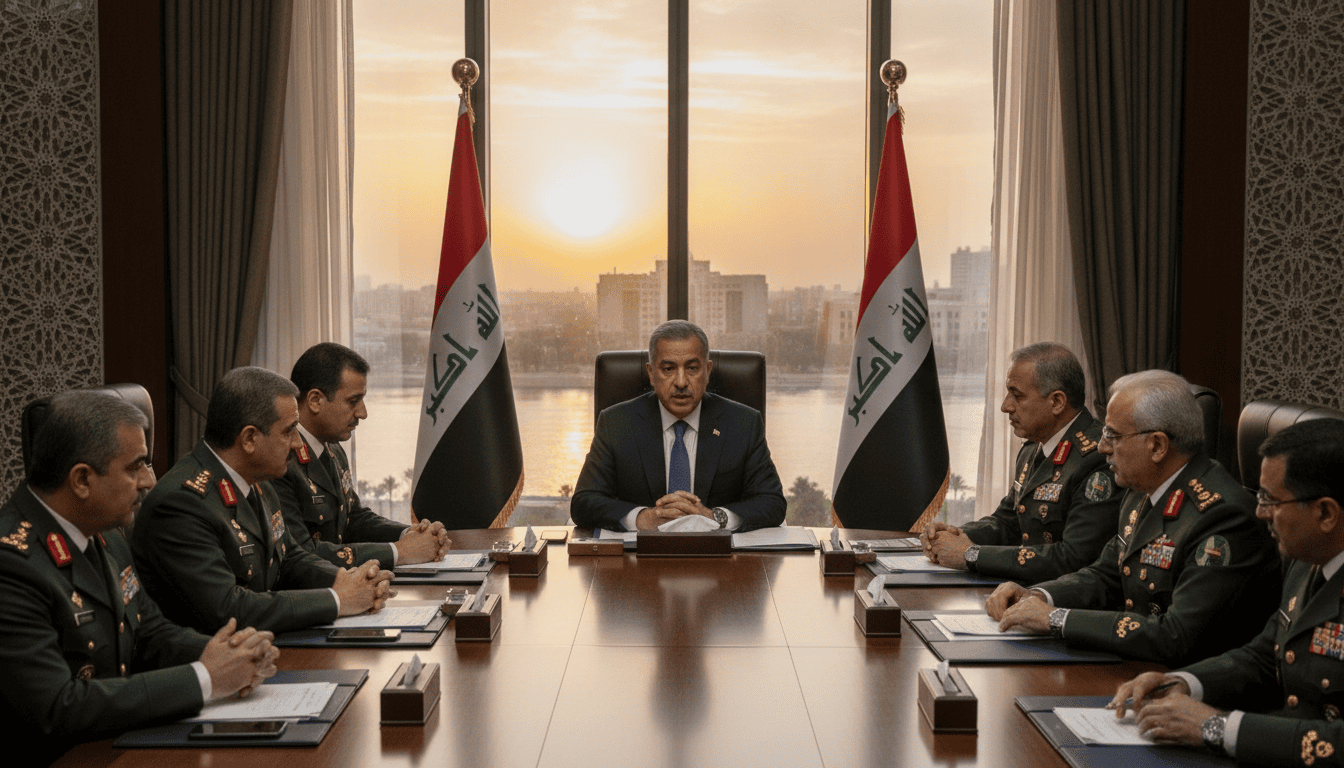
Iraq’s Ministerial Council for National Security said it had adopted a comprehensive security plan to reinforce sovereignty and control across the country. The council emphasized the need to confront any violations of Iraqi territory and to close routes that could be used by armed groups or foreign forces. Officials framed the directive as a defensive measure intended to protect civilians and preserve state authority rather than to provoke further military actions.
Central elements of the new security plan
The plan calls for tighter border surveillance, enhanced airspace monitoring and improved coordination among security services and provincial authorities. Baghdad signaled increased checkpoints and patrols along sensitive frontiers, along with stepped-up intelligence sharing within the security apparatus. Authorities also signaled a willingness to seek technical and diplomatic support to implement measures that will monitor and control movement across Iraqi territory.
Context of the US-Saudi strikes inside Iraq
The announcement followed reports of strikes attributed to US and Saudi forces that Iraqi leaders described as deadly and as having occurred on Iraqi soil. Baghdad has repeatedly stressed that foreign military operations inside its borders without Baghdad’s consent violate its sovereignty and carry risks of civilian harm and wider regional tension. Iraqi officials say preventing the use of its territory as a staging ground for cross-border attacks is now a priority.
Domestic political and security reactions
Political leaders and parties across Baghdad have voiced alarm, calling for firm measures to restore control and hold accountable any party responsible for breaches of Iraqi sovereignty. Security commanders have been ordered to present rapid plans to implement the council’s directive, and provincial governors were instructed to coordinate local deployments. The development could intensify pressure on the government to demonstrate competence in the face of public concern over repeated incursions and instability.
Potential regional and diplomatic implications
The move is likely to prompt diplomatic engagement with neighbouring capitals and external partners, as Iraq seeks guarantees against future violations and assistance in stabilizing border areas. Regional governments may respond with their own security adjustments, while international actors with forces or interests in Iraq could face calls for clearer rules of engagement. Observers warn that without coordinated diplomacy, unilateral security steps risk increasing friction between Baghdad and outside military actors.
Operational challenges and enforcement questions
Implementing a comprehensive security plan will confront practical hurdles, including porous borders, diverse armed groups operating in remote areas, and limited surveillance capacity in parts of the country. Iraq’s security services will need resources, training and possibly international cooperation to erect effective monitoring and interdiction systems. Authorities must also balance security operations with safeguards for civilian movement and humanitarian access, especially in border communities.
Iraq’s declaration to defend its sovereignty and to prevent its territory from being used against neighbours marks a significant policy stance by Baghdad in response to cross-border strikes. How the government translates its security plan into concrete action, and how regional and external actors respond, will determine whether the measures reduce risks or further complicate an already tense regional security environment.
