
US-Iran ceasefire hangs on shipping, pressure on Tehran and allied unity
A fragile US-Iran ceasefire that followed the first direct talks in more than a decade faces immediate tests over shipping in the Strait of Hormuz, domestic pressure on Tehran, and coordination among Washington’s allies. The US-Iran ceasefire is now the central political issue for the Trump administration as negotiators consider a second round of meetings. Analysts warn that maintaining the truce will require clear objectives, allied cohesion, and messaging that persuades both international audiences and domestic voters.
Ceasefire status and political stakes
The temporary halt in hostilities was followed by a rare face-to-face engagement between US and Iranian representatives, raising hopes of further diplomacy. Washington now faces the immediate task of turning a pause in fighting into a durable reduction in tensions. For the administration, perceptions of success or failure carry high political stakes ahead of contested midterm elections.
Political risk is heightened because public opinion will judge outcomes in economic terms, notably energy prices and supply security, as well as in perceived national security gains. If voters view the truce as a failure or merely a respite before renewed violence, the administration’s standing could erode significantly.
Strait of Hormuz and global commerce
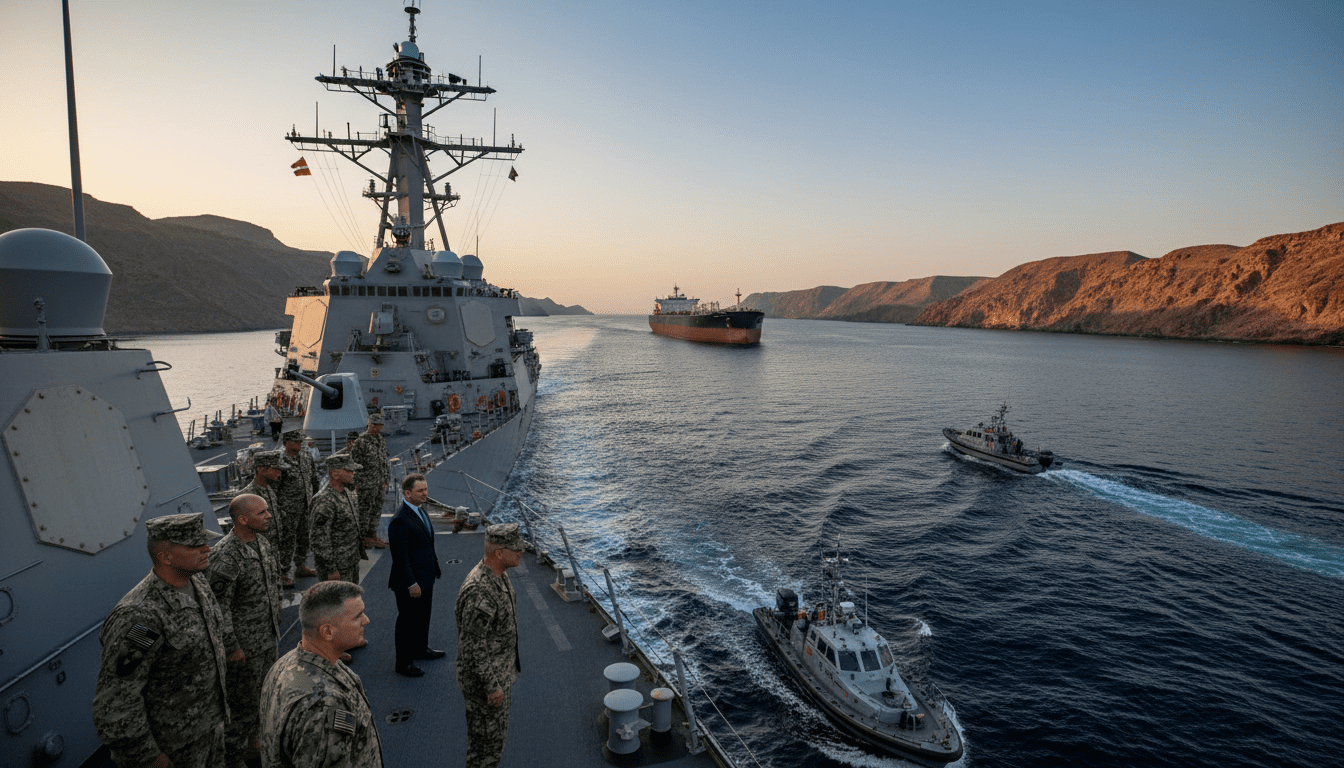
Officials and strategists identify reopening and securing the Strait of Hormuz as the foremost practical objective for the US and its partners. The waterway is a critical global chokepoint for oil and gas shipments, and any sustained disruption would have immediate economic consequences. Restoring unimpeded commercial navigation is therefore central both to regional stability and to domestic economic concerns.
Securing the strait would likely require a coordinated international maritime operation, increased surveillance, and contingency planning to deter future interdictions. Such measures would also send a clear signal to Tehran that economic coercion or closure of trade routes will not be tolerated.
Pressure on Tehran and support for internal opposition
Policy advisers argue the United States should seek to increase pressure on the Iranian regime in ways that empower domestic opposition without provoking broader civilian harm. That approach prioritizes cutting leadership influence and financial support for proxies while avoiding strikes that damage essential infrastructure or civilian livelihoods. Targeted actions intended to weaken security organs have been advocated by some as a way to bolster internal dissent.
At the same time, officials caution against measures that would undercut potential democratic movements by destroying the economic foundations needed for civil resistance. Building intelligence and non-lethal support to civil society networks has been suggested as a complementary strategy to diplomatic pressure.
Allied coordination and NATO concerns
A recurring shortfall in the crisis has been uneven communication between Washington and traditional allies, which both Russia and China have used to claim fault lines in the Western alliance. Restoring confidence within NATO and among regional partners is viewed as essential to present a united front. That unity would be especially important in any effort to keep the Strait of Hormuz open and to enforce compliance with a ceasefire.
Diplomatic outreach will need to address not only operational coordination but also the political narratives allied governments face at home. Demonstrating shared objectives and burdens could reduce the risk of unilateral actions that complicate the ceasefire.
Messaging, domestic politics and the risk of escalation
Observers underline that coherent, restrained messaging from the White House is critical to consolidating public support for the ceasefire and any negotiated settlement. Aggressive rhetoric or signals that the United States might escalate could alarm allies and domestic audiences, undermining confidence in the administration’s strategy. Conversely, messages that calmly explain objectives and constraints can improve the political environment for sustained diplomacy.
Political commentators note that elements of the administration’s base are divided over the campaign, increasing the need for clarity on aims and exit criteria. Mixing apocalyptic or maximalist imagery with diplomatic outreach risks confusing both domestic constituencies and foreign interlocutors.
Alignment with Israel and regional partners
Keeping Israel’s objectives aligned with those of the United States is another priority identified by analysts, particularly given divergent strategic expectations. Washington and Jerusalem will need candid talks to reconcile differences on objectives, timelines, and acceptable outcomes. Ensuring that Israeli actions do not undermine a broader US-led effort to stabilize the region is likely to be a key item on diplomatic agendas.
Regional partners beyond Israel will also be essential to any enforcement mechanism for a ceasefire, including Gulf states concerned about security and economic fallout. Building a multilateral framework that reflects these interests would increase the odds of a lasting pause in hostilities.
The durability of the US-Iran ceasefire will depend on whether temporary calm can be translated into verifiable steps: secure shipping lanes, sustained pressure on Tehran’s security apparatus without harming civilians, unified allied action, coherent public messaging, and negotiated conditions that meet minimum US security demands. With those elements in place, negotiators may be able to reconvene and pursue a more formal settlement; without them, the current truce risks collapsing into renewed confrontation.
