
US military flu outbreak at Texas Air Force base surfaces after April vaccine mandate repeal
Flu outbreak at a Texas Air Force base sickens about 160 troops after the Pentagon ended the mandatory flu vaccine in April 2026; investigations continue.
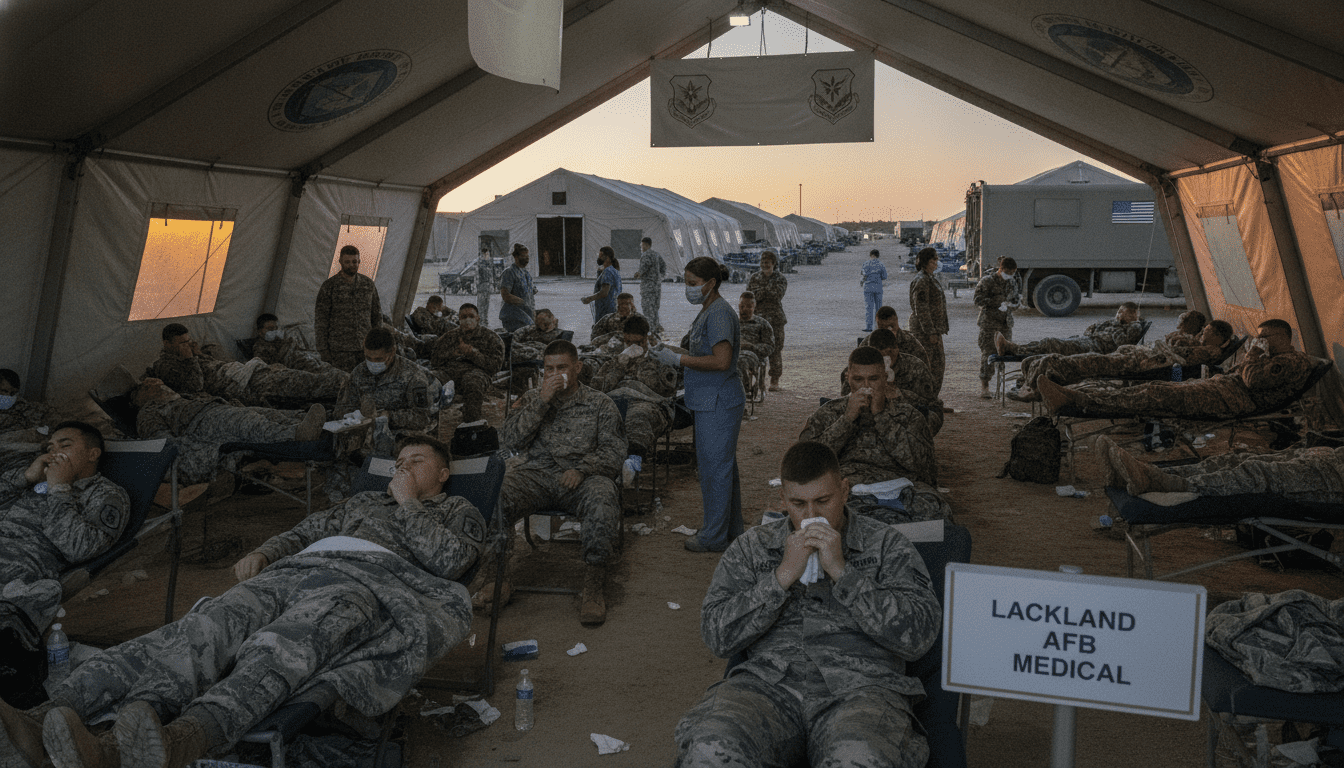
The U.S. military is responding to a flu outbreak at a Texas Air Force base that has sickened roughly 160 service members nearly two months after the Pentagon removed a long-standing mandatory influenza vaccination requirement in April 2026. The outbreak, described by military officials as a “locally limited flu outbreak,” has prompted renewed attention to the consequences of the policy change and an internal review of cases and preventive measures.
Outbreak reported at Lackland Air Force Base
The outbreak was reported at Lackland Air Force Base in Texas, where multiple U.S. media outlets citing military sources said about 160 personnel had developed flu-like illness. Military public health teams have characterized the situation as confined to the installation while continuing to monitor and treat affected service members.
Base officials have carried out testing and case tracking to determine the scope and strain of the influenza virus involved. The Air Force has not publicly released a detailed incident report, but media reporting indicates the response has included isolation of symptomatic individuals and enhanced surveillance.
Unclear vaccination status of infected personnel
As of initial reports, it remained uncertain how many of the sick service members had received an influenza vaccine prior to falling ill. Military and public health officials said they are reviewing medical records to establish vaccination status and identify any patterns that might explain the cluster of cases.
The lack of immediate clarity on who was vaccinated has complicated assessments of vaccine effectiveness in this instance and whether the outbreak reflects gaps in immunity following the policy change. Public health investigators typically use such data to determine whether breakthrough infections occurred or if unvaccinated populations are disproportionately affected.
Pentagon ended mandatory flu shots in April 2026
The influenza vaccine requirement for active-duty service members was eliminated by the Department of Defense in April 2026, a decision driven in part by newly broadened exemptions, including religious grounds. The mandate had been in place since the period after World War II and had been maintained across successive administrations.
Defense officials framed the policy shift as respecting personal and religious autonomy, while critics warned the change could lower overall vaccination coverage among troops and increase susceptibility to seasonal respiratory illnesses. The timing of the mandate repeal and the subsequent outbreak has intensified debate over the military’s vaccination strategy.
Pentagon leadership defended the policy change
Pentagon chief Pete Hegseth, who has described his role in robust terms, defended the decision to lift the mandate, arguing at the time that personal beliefs and bodily autonomy must be respected. In public remarks announcing the change earlier this year, he emphasized exemptions for religious and conscience objections as central to the new policy framework.
Supporters of the policy argued the change would address ethical and legal concerns while opponents cautioned about impacts on force health protection. The emergence of this outbreak has placed those competing views back into the spotlight and prompted questions about whether policy adjustments will follow.
Investigation into a recruit’s death under review
Media reports indicate the death of a recruit at the base is being evaluated for any connection to the outbreak. Military investigators are reviewing medical records and circumstances surrounding the fatality to determine whether influenza or related complications played a role.
Officials have not confirmed a direct causal link and have described the inquiry as ongoing. The prospect of a death being linked to an on-base respiratory outbreak has increased urgency for the investigation and for commanders to reassess preventive measures.
Air Force reinstates vaccine requirement for recruits, sources say
According to reporting by the New York Times, the Air Force has reinstated an influenza vaccination requirement specifically for recruits at Lackland; however, the Washington Post reported uncertainty over whether the new order was immediately effective. The apparent partial reversal suggests military leaders are weighing targeted measures to protect new trainees who live and train in close quarters.
Reinstating a requirement for recruits would reflect an attempt to balance broader policy changes with operational necessities, as recruit training environments are particularly vulnerable to rapid spread of respiratory infections. Commanders often have authority to impose measures tailored to mission requirements and the health of specific populations.
Military leaders say they will continue to adapt local and service-wide measures as more information becomes available. Enhanced sanitation, isolation protocols, and targeted vaccination campaigns remain among the tools commanders can deploy to limit transmission.
Public health experts stress that influenza can spread rapidly in communal living settings such as barracks, and that vaccination remains a primary preventive measure to reduce severe illness. The scope of the current outbreak and the outcomes of the military’s investigation will likely shape discussions about vaccination policy and force health protection going forward.
The situation at Lackland remains fluid as military medical teams complete testing, update case counts, and determine next steps; commanders have indicated they will issue guidance based on the investigation’s findings and public health recommendations.
