
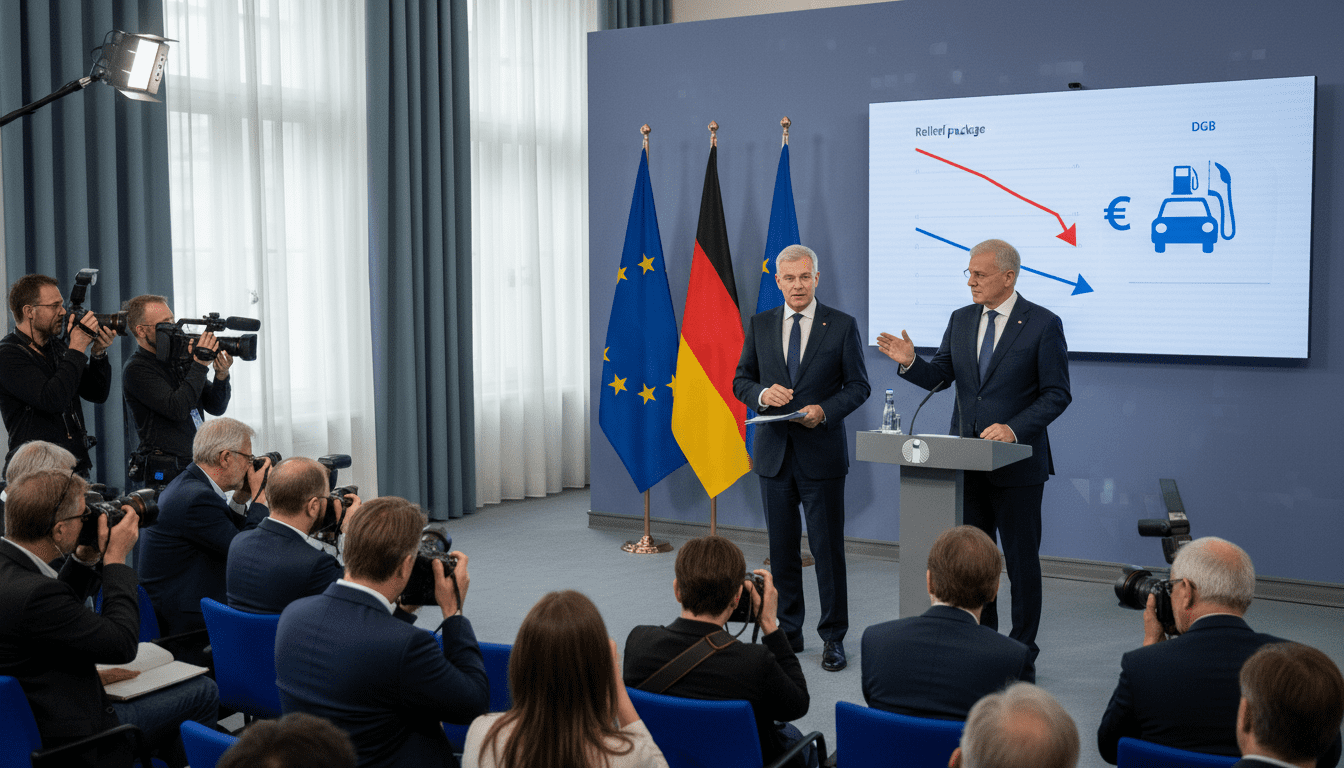
Coalition Agrees Fast Fuel Relief Package for Motorists After Weekend Talks
Coalition agrees fast fuel relief package for motorists after weekend talks, aiming to ease rising fuel costs with short-term measures and rapid support.
The governing coalition has agreed a fast-acting fuel relief package aimed at easing the burden of rising fuel prices on motorists, after senior party leaders spent intensive talks over the weekend to resolve a stalemate. The keyword fuel relief package was emphasized by officials as a priority for immediate action, following sharp disagreement earlier in the week between ministers over both the speed and design of support. CSU leader Markus Söder said party chairs had spent roughly 24 hours in negotiations on Saturday and Sunday, an exchange that negotiators credit with breaking the deadlock.
Weekend talks between party leaders break impasse
Party chairs from the Union and the SPD intensified discussions across Saturday and Sunday, according to statements from coalition offices, in an effort to find common ground on support measures for drivers. The weekend talks were framed as marathon negotiations that focused on reconciling competing priorities and clearing the way for a rapid announcement.
Negotiators said the extended meetings allowed ministers and parliamentary leaders to trade concessions and to set a timetable for cabinet consideration, moving the fuel relief package from concept to agreement in short order. Officials emphasized the political importance of visible action as households confront rising energy and transport costs.
Ministerial dispute over timing and mechanism
The impasse that preceded the weekend talks centered on differing views between Economy Minister Katherina Reiche (CDU) and Finance Minister Lars Klingbeil (SPD) over how quickly aid should be delivered and which instruments should be used. Reiche pushed for measures that could be implemented swiftly to reduce pump prices or provide targeted support, while Klingbeil expressed caution about fiscal implications and preferred solutions that could be budgeted responsibly.
Behind closed doors, sources described intense exchanges about the balance between short-term relief and medium-term fiscal discipline, with both ministers seeking assurances that the package would not imperil other spending priorities. The resolution reached over the weekend reportedly reflects a compromise designed to provide immediate help while limiting long-term budgetary exposure.
Coalition agreement outlines immediate support approach
Government spokespeople said the agreed fuel relief package focuses on rapid, short-term measures intended to deliver relief to motorists without awaiting protracted legislative debate. While details remain subject to final drafting, the coalition described the approach as pragmatic and aimed at tangible results in the coming weeks.
Officials stressed that the package is intended to be time-limited and targeted, with an emphasis on quick implementation to blunt the immediate impact of rising pump prices. Lawmakers and ministers are now preparing the legal and administrative steps required to move the measures from agreement to execution.
Budgetary trade-offs and parliamentary hurdles
Even with political agreement, the package raises questions about how to finance urgent support without reopening wider fiscal disputes within the coalition or triggering opposition criticism. Finance ministry advisers reportedly pressed for offsets and safeguards to ensure any shortfall is temporary and accounted for in upcoming budget planning.
Parliamentary groups will need to align on the final text, and some delegates have already signaled they will seek clarifications on duration, eligibility and accounting. The coalition majority appears intent on fast-tracking the measures, but procedural steps in parliament and implementation mechanics could affect the speed at which motorists actually see relief.
Anticipated reactions from motorists and industry
Consumer advocates and driving associations have been vocal in calling for swift, effective relief, and the announced fuel relief package is likely to be closely scrutinized by both motorists and freight operators. Industry groups have urged clarity on timing and scope, warning that uncertainty undermines planning for businesses that depend on road transport.
Public sentiment will hinge on how quickly measures translate into lower costs at the pump or direct support to households, and whether the package addresses the concerns of commuters, rural drivers and commercial carriers. The government faces a narrow window to demonstrate that the package provides meaningful, durable relief while maintaining fiscal credibility.
Next steps: formal approval and rollout
Ministers are expected to finalize legislative text and implementation details in the coming days before seeking cabinet approval and submitting the measures to parliament for debate. Officials have indicated an ambition for parts of the fuel relief package to take effect rapidly, subject to administrative readiness and parliamentary timelines.
Execution will require coordination between federal agencies, regional authorities and industry stakeholders to ensure that any subsidies, tax adjustments or direct payments reach recipients without undue delay. The coalition has framed the package as an urgent response to an acute problem, and its credibility will depend on how quickly that promise is fulfilled.
The coalition’s rapid turnaround from dispute to agreement underscores the political pressure to act on household cost burdens, and the fuel relief package will now test the government’s ability to translate negotiation wins into tangible results for citizens.
