
Ukraine April territorial gains: ISW finds Kyiv recaptured more land than it lost
ISW analysis finds Ukraine made net territorial gains in April, reclaiming ground amid intensified Donetsk fighting and strikes on Russian oil and logistics.
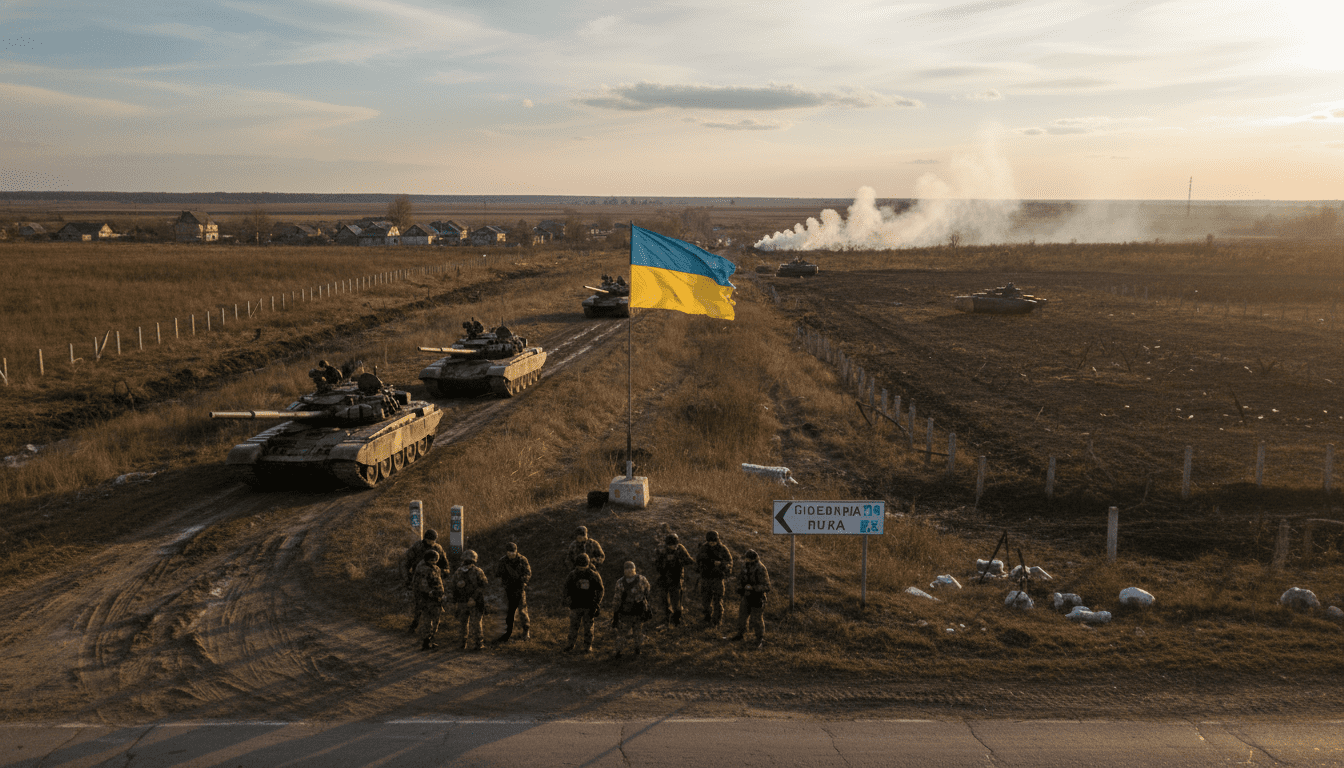
The Institute for the Study of War (ISW) reported that Ukrainian forces recaptured more territory than they ceded in April, marking a shift in battlefield dynamics after months of Russian advances. The analysis estimated Russian-held territory decreased by about 116 square kilometres in April, counting only areas firmly controlled by each side. The development underscores a broader slowdown in Russia’s advance and a rise in Ukrainian offensive and deep-strike activity.
ISW analysis shows net territorial gain
The ISW said its figures reflect changes in areas under clear control, excluding so-called “grey zones” where both sides hold positions. That distinction matters because Moscow has frequently used infiltration to create perceptions of continuous advance without establishing secure control. Analysts noted that many reported Russian penetrations remained limited and did not translate into sustained territorial control.
The shift to a net Ukrainian recovery in April follows a longer trend of decreasing Russian daily gains, according to the think tank’s assessment. The ISW’s methodology focuses on mapped frontline changes and confirmed control rather than transient battlefield probes or disinformation claims.
Russian offensive pace has slowed markedly
Over the past 18 months the ISW observed a dramatic reduction in Russia’s rate of territorial advance, which has fallen by at least two-thirds from earlier levels. In the first third of 2026 Russian forces seized an average of about 2.9 square kilometres per day, compared with roughly 9.8 square kilometres per day in the same period of 2025. That slowdown has coincided with more contested frontlines and greater Ukrainian resistance.
Analysts attribute the change to a combination of Ukrainian defensive adaptation and increased attrition of Russian manpower and logistics. The ISW warned that some Russian operations rely on infiltration tactics intended more to shape perceptions than to produce lasting gains.
Donetsk fighting intensifies but progress is limited
The Donetsk axis saw intensified Russian assaults in April as Moscow prioritised capturing remaining urban strongholds along a heavily fortified “fortress belt.” Key cities including Sloviansk, Kramatorsk, Kostiantynivka and Druzhkivka were focal points as Kremlin forces sought to break Ukrainian lines. Ukrainian commanders reported heavier pressure in this sector but also highlighted that many advances were marginal.
Ukrainian and ISW assessments indicate that reported Russian gains in towns such as Kostiantynivka were mainly infiltration into peripheral areas rather than secure control of urban centres. Officials say that while fighting increased, the percentage of territory actually taken in these localities remained small and contested.
Casualties and evolving Ukrainian tactics
Ukrainian defence officials reported very high Russian casualty figures that Kyiv says its forces can now inflict at rates Moscow cannot easily replace. Defence ministry statements in early May claimed tens of thousands of Russian soldiers were killed or seriously wounded in April, a level Kyiv described as unsustainable for Russian manpower planning. Ukrainian leaders also cited intercepted Russian documents suggesting a higher-than-expected proportion of casualties were fatal, which would affect long-term force availability.
At the same time Ukraine is shifting tactics to intensify strikes beyond the frontline, using mid-range and long-range precision strikes to target supply nodes and rear-area logistics. Officials reported a marked increase in strikes over distances of 20 kilometres or more in April, a pattern Kyiv says is designed to disrupt Russian sustainment and blunt offensive momentum.
Targeting Russian oil revenue and military industry
Kyiv has expanded strikes on Russian energy infrastructure and maritime logistics as part of a campaign to reduce Moscow’s export revenues and military sustainment. In late April and early May Ukraine struck refineries, oil terminals and tankers in the Black Sea and Baltic regions, and reported hits on refining facilities deep inside Russian territory. Kyiv also said it targeted manufacturers of navigation modules and aircraft at sites hundreds of kilometres from the frontline.
The impact on Russian oil output and revenues is contested. Ukrainian statements claimed substantial losses to refining capacity and at least several billion dollars in foregone revenue this year, while Russian officials and financial statements pointed to compensating measures and temporary output fluctuations. Independent indicators cited by Kyiv showed refinery throughput at multi-year lows, but Russian budget receipts in April were reported by Moscow to have risen relative to March, illustrating the complexity of measuring economic damage during an active campaign.
Diplomatic shifts with Hungary and Slovakia
Diplomatic developments in early May indicated a thaw in relations between Kyiv and two EU members that have previously blocked Ukraine’s accession progress. Ukrainian and Slovak leaders exchanged invitations and meetings as bilateral contact resumed, while Hungary returned seized cash and valuables to Ukraine in a move Kyiv described as constructive. Those gestures have reduced some immediate tensions, but political obstacles to EU accession and funding remain significant.
Opinion polling in affected countries shows continued domestic resistance to full political and financial integration of Ukraine into EU structures, and some Hungarian leaders have signalled plans for referendums on related matters. Diplomats say progress on accession talks will require further bilateral confidence-building and sustained engagement with European institutions.
The April shift in frontline dynamics, combined with expanded Ukrainian strikes on energy and logistics and a mix of diplomatic openings, marks a complex and evolving phase of the conflict. Kyiv’s reported net territorial gains in April reflect tactical successes and growing operational reach, but analysts caution that the frontline remains fluid and that both military and political pressures will shape what follows in the coming months.
