
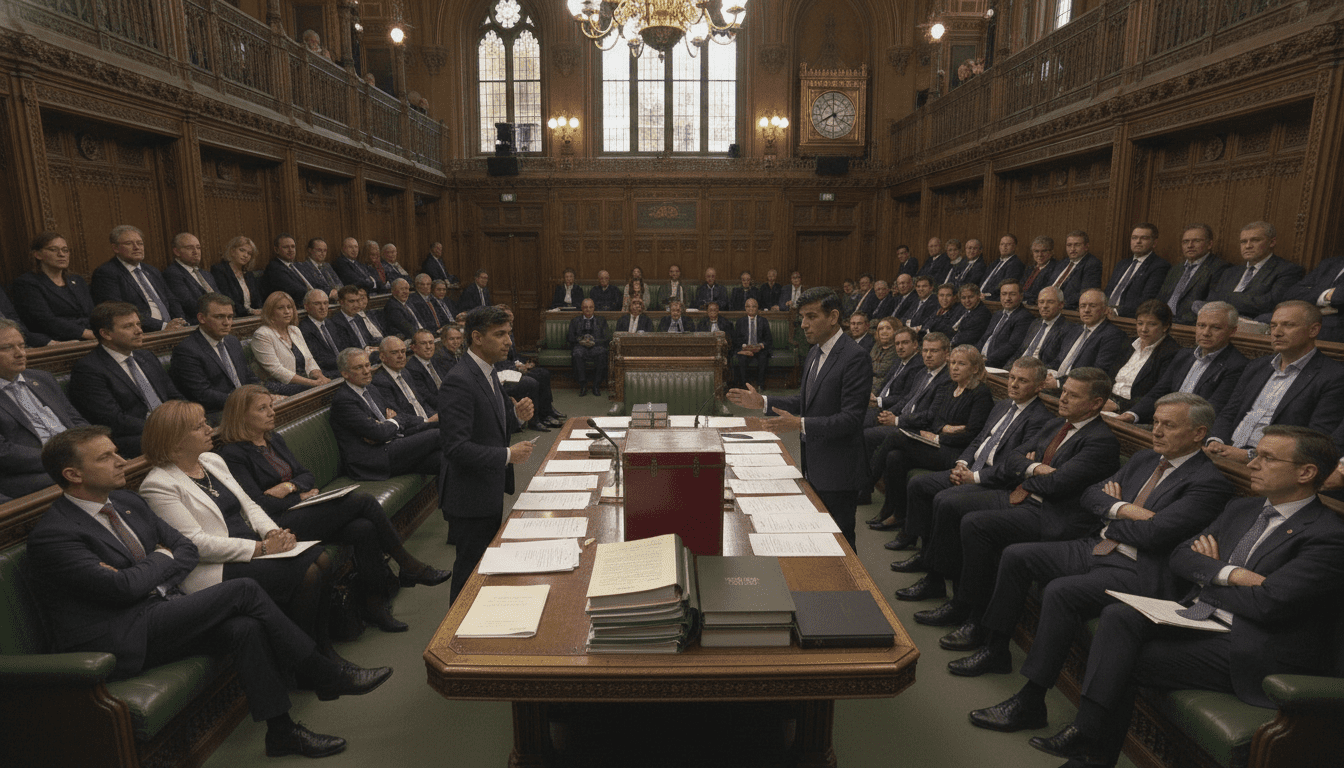
Westminster Hall debate over pro-Israel influence draws sharp division
MPs clashed in Westminster Hall on 22 June 2026 over a petition seeking a public inquiry into pro-Israel influence in UK politics after 118,000 signatures.
The Commons debate in Westminster Hall on Monday night centred on a petition calling for a public inquiry into alleged pro-Israel influence on UK politics, a petition that passed the 100,000-signature threshold required for debate. Members of Parliament split sharply, with several Conservative and Labour MPs calling the motion antisemitic while others pressed for transparency on lobbying, donations and ministerial contacts. The government minister present rejected a standalone inquiry, and questions about meetings between ministers and Israeli-linked companies went largely unanswered.
Westminster Hall debate highlights partisan split
A cross-party gathering of MPs met in Westminster Hall to discuss the petition after it attracted more than 118,000 public signatures, a level that automatically triggers a parliamentary debate. Much of the discussion featured members of pro-Israel parliamentary groups who argued the petition unfairly targeted Jewish communities and risked resurrecting antisemitic tropes. A minority of MPs used the floor to press for fuller disclosure of lobbying activity and financial links between UK politicians and pro-Israel organisations.
Government refuses inquiry but reaffirms bilateral ties
James Frith, parliamentary under-secretary of state for digital government, told MPs the government would not support a public inquiry focused solely on pro-Israel influence. He emphasised the United Kingdom’s long-standing relationship with Israel and said ministers remained committed to the security of the Israeli state. Frith also warned against conflating Jewish communities with the actions of any government, a point that prompted direct challenges from several MPs during the debate.
MPs raise donations, trips and transparency concerns
Speakers for the petition outlined concerns about opaque funding, parliamentary trips funded by pro-Israel groups, and the disclosure status of organisations such as Labour Friends of Israel and Conservative Friends of Israel. Independent MPs and some Labour backbenchers cited media investigations alleging substantial donations to senior politicians from pro-Israel donors and questioned whether current rules give voters full visibility. The Rycroft Review into foreign interference, published earlier in 2026, was referenced in the debate but was noted by several speakers as having focused primarily on interference from states such as Russia and China rather than Israel.
Allegations over meetings with Elbit Systems and government contacts
Several MPs highlighted Freedom of Information disclosures and reporting that point to repeated meetings between UK departments and representatives of Elbit Systems, Israel’s largest defence contractor. Questions were raised about why officials would meet privately with a company whose equipment has been linked in allegations under international scrutiny, particularly while protests and legal actions were ongoing. Ministers did not provide substantive answers to those queries during the Westminster Hall session.
Antisemitism accusations and parliamentary tensions
Accusations of antisemitism punctuated the debate, with some MPs insisting the petition trafficked in age-old conspiratorial language about undue influence, while others rejected that characterisation and argued the petition targeted lobbying activity rather than Jewish people. Several backbenchers warned against equating scrutiny of Israeli state actions or pro-Israel lobbying with hostility towards Jewish communities. The exchanges included pointed interventions about the distinction between legitimate political scrutiny and hate speech, reflecting the sensitivity of the issue across the chamber.
Public petition forces rare public airing of lobbying questions
Supporters of the petition said the debate achieved its immediate aim by forcing public discussion of topics rarely addressed in Westminster, including the scale of pro-Israel political donations, the funding of parliamentary visits, and the transparency of groups that engage with policymakers. Opponents said those concerns were addressed elsewhere and that singling out Israel was both inappropriate and harmful. The session exposed deep disagreements over where to draw the line between legitimate foreign policy advocacy and potential foreign influence.
The debate concluded without agreement to launch a dedicated public inquiry, leaving unresolved calls for clearer rules on lobbying and transparency and further scrutiny of contacts between UK ministers and foreign-linked entities. As the political dispute continues, MPs on all sides said they would pursue additional parliamentary and regulatory routes to press their respective cases.
