
UEFA Boycott Threat: European Associations Unite to Reject FIFA Privatization Plan
UEFA boycott backed unanimously by 55 member associations after crisis talks, escalating a governance standoff with FIFA over plans to sell commercial stakes in the World Cup.
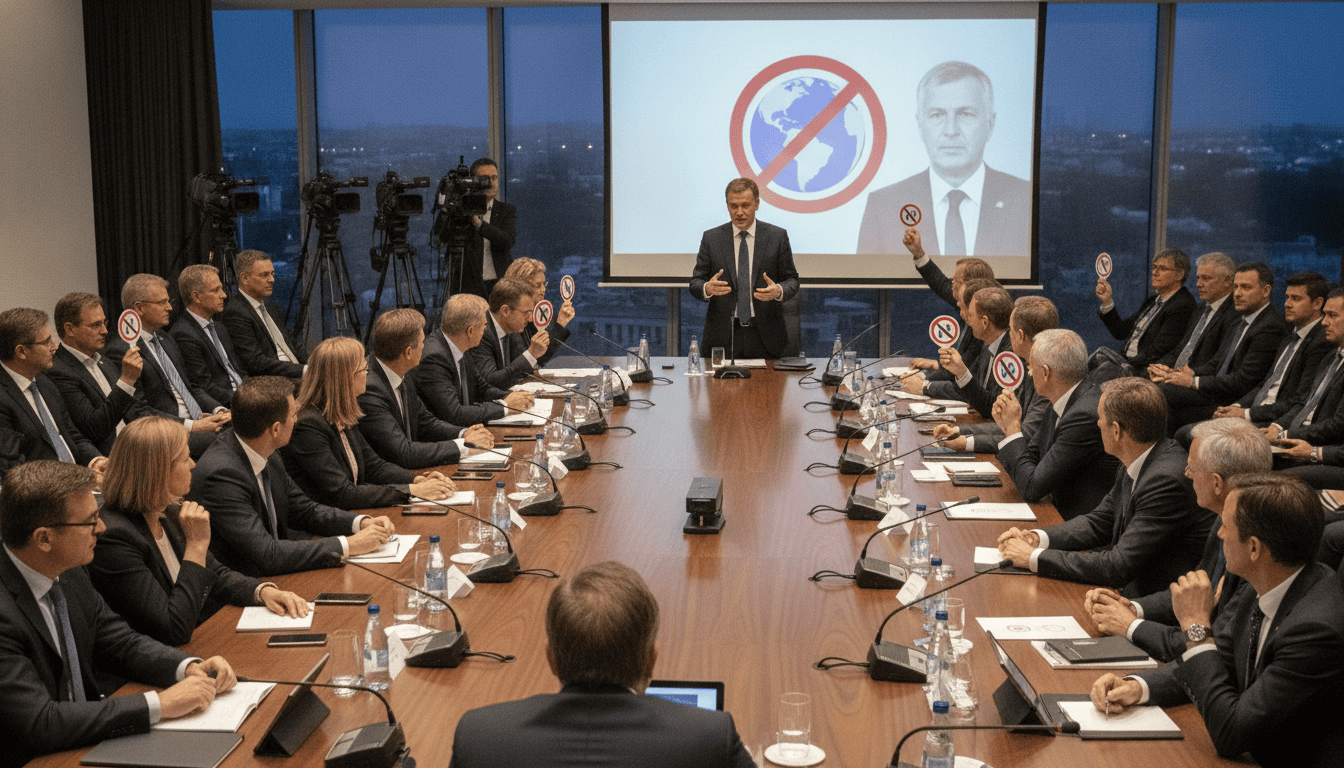
The European football confederation’s 55 member associations have agreed to support a boycott of the FIFA World Cup in response to proposals to open parts of the tournament to private investors, a move that has deepened a rupture between UEFA and FIFA. UEFA members signalled unity at a crisis session, saying they would not participate in competitions structured under a model they regard as a sell-off of the sport’s flagship event. The decision, announced after lengthy debates, places new pressure on FIFA president Gianni Infantino and raises the prospect of a transnational rupture in global football governance. Reaction from national media across Europe was immediate and intense, amplifying pressure on both organizations.
UEFA members vote to support a boycott
UEFA’s 55 national associations delivered a unified position after what officials described as prolonged discussions, resolving to back a boycott should FIFA move ahead with the contested privatization plan. Delegations argued the proposal threatened competitive integrity and national federation autonomy, prompting the collective pledge of non-participation as leverage. The solidarity among European members, including large and smaller associations alike, surprised some observers who had expected divisions over potential commercial incentives. Officials said the move was intended to force renewed negotiations rather than instantly sever relations.
Infantino’s privatization plan sparks the crisis
At the centre of the dispute is a proposal advanced by FIFA leadership to create a commercial vehicle that would allow private investors to take financial stakes in future World Cups. Proponents frame the plan as a mechanism to boost revenues and professionalise event delivery, but critics say it risks ceding control of football’s most important competition to outside investors. European federations voiced concerns about long-term governance, transparency and the distribution of proceeds to the game at grassroots and elite levels. According to reports in major European outlets, the proposal has prompted urgent demands for alternative models that preserve federation oversight.
National press escalates political pressure
Leading newspapers in the United Kingdom, France, Italy, Spain, Austria and Switzerland ran stark editorials and headlines after UEFA’s announcement, intensifying the political cost for FIFA’s leadership. British tabloids framed the dispute in dramatic terms while broadsheets and continental dailies emphasised institutional risk and the scale of the split. French sports outlets described the decision as an open stand against commercialization, and Italian papers called it a “total war” between the two bodies. The intensity of media coverage has amplified public scrutiny and increased pressure on sponsors and broadcasters to clarify their positions.
UEFA leadership frames action as defence of the game
UEFA officials presented the boycott posture as a defensive measure to protect football’s traditions and the interests of member associations rather than a purely commercial dispute. Leadership argued that wholesale changes to the ownership and financing of the World Cup demand consent from the confederations that supply teams, players and the tournament’s fan base. Executives in Europe warned that unilateral restructuring by FIFA could produce legal, sporting and reputational consequences that extend well beyond a single tournament. The unity of UEFA’s membership underscores the political capital European federations hold within the global game.
Practical consequences for World Cup planning
A formal boycott by UEFA members would pose immediate operational and commercial challenges for any edition of the World Cup without its European teams. Europe supplies a large share of the world’s top-ranked sides, marquee players, and significant broadcast audiences, all of which underpin sponsor agreements and television contracts. Organisers would face complex questions about tournament legitimacy, qualification procedures and contractual obligations to partners. Industry experts caution that removing European teams would erode the longstanding competitive balance and could trigger arbitration, litigation or regulatory interventions by national authorities and international bodies.
Negotiations, timelines and possible outcomes
Both FIFA and UEFA now face a narrow window to seek resolution through negotiation, with multiple scenarios possible: a revised governance proposal acceptable to confederations, a protracted legal and political standoff, or temporary compromises that pause investor involvement. UEFA members have signalled they prefer to keep the World Cup within federation control but are prepared to escalate if necessary. Any path forward will involve intricate talks with sponsors, broadcasters and governments, and could stretch across months as legal, commercial and sporting considerations are analysed. Observers say the next high-level meetings between the two organisations will be pivotal in determining whether the dispute can be contained.
The dispute marks an unprecedented rupture in modern international football, testing the balance of power between global and continental authorities and exposing fault lines over commercialisation and governance. As UEFA and FIFA enter a period of intense negotiation and public scrutiny, clubs, players and fans will watch closely for signs of compromise or escalation that could reshape the sport’s future.
