
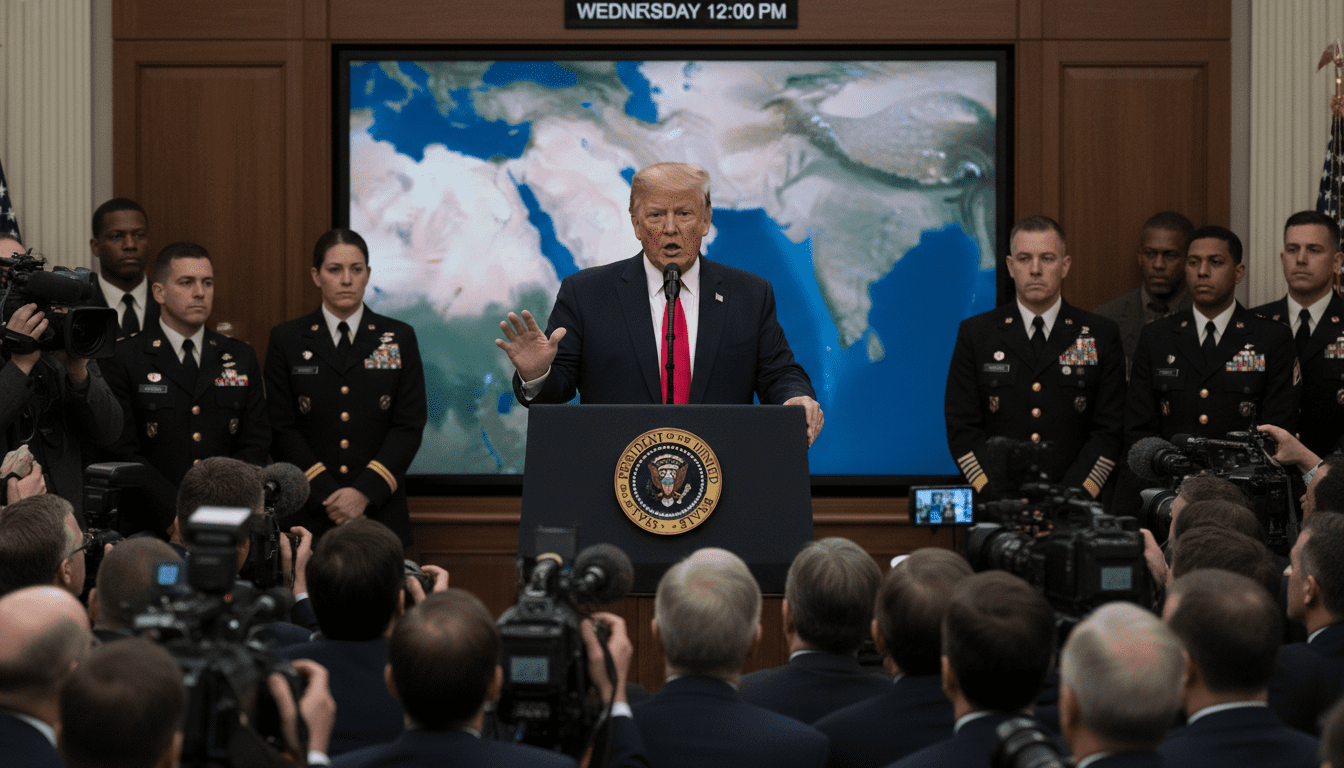
Trump Warns the U.S. May “Start Dropping Bombs Again” if No US‑Iran Deal by Wednesday
Donald Trump warns the U.S. may resume air strikes if no US‑Iran deal is reached by Wednesday, April 22, 2026, and vows to keep Iranian ports under blockade.
President Donald Trump issued a stark ultimatum on April 18, 2026, saying the United States will “have to start dropping bombs again” unless a US‑Iran deal is finalised by Wednesday, April 22, 2026. The president paired the threat of renewed military action with a pledge that the U.S. naval blockade on Iranian ports will remain in place until a longer‑term agreement is secured. The comments mark a significant escalation in rhetoric surrounding negotiations and raise fresh questions about the prospects for a diplomatic resolution.
Trump Sets a Firm Deadline for Negotiations
President Trump set the deadline during public remarks, framing the timeline as the last window for negotiators to clinch a US‑Iran deal before force becomes an option. He presented the deadline as a means to pressure Tehran and domestic critics, saying that stiffer measures would follow if talks yield no agreement. The specific date — Wednesday, April 22, 2026 — was referenced as the point after which military options would be back on the table.
Threat of Renewed Air Campaigns
The president’s pledge that the United States could “start dropping bombs again” signals a return to overt military rhetoric not seen in recent months. Analysts say the language increases the risk of miscalculation in an already volatile region, where air operations and naval confrontations have previously escalated rapidly. U.S. officials have in the past tied the use of force to narrow, defined objectives; the new statement leaves those parameters intentionally vague.
Blockade of Iranian Ports to Continue
Alongside the deadline, Trump said the blockade of Iranian ports would stay in effect until a long‑term agreement is reached, underscoring economic and maritime pressure as a central element of U.S. policy. A blockade is likely to exacerbate economic stress inside Iran and disrupt global shipping in the Strait of Hormuz and surrounding waters. Shipping firms and regional governments have historically responded to such moves by rerouting vessels, but sustained restrictions could push insurers and carriers to seek alternatives, raising logistics costs.
Regional and Diplomatic Implications
Regional capitals and European partners are likely to view the deadline as a moment of acute diplomatic tension, with implications for wider security cooperation. Gulf states may brace for increased naval activity and heightened contingency planning, while European mediators could intensify shuttle diplomacy to avert a breakdown. The statement also raises questions about coordination with U.S. allies, many of whom have advocated for combined diplomatic and economic measures rather than unilateral escalation.
Possible Scenarios and Next Steps
If negotiators fail to reach a US‑Iran deal by the April 22 deadline, options range from expanded sanctions and intensified maritime interdictions to direct military strikes, according to officials familiar with similar policy debates. Conversely, a last‑minute agreement would likely focus on phased compliance and verification mechanisms to lift the blockade and de‑escalate prospects of force. Washington’s next moves will depend on classified assessments, congressional consultations, and the responses of allies and regional actors.
The president’s public ultimatum places urgency on an already compressed diplomatic timeline and will test the resilience of back‑channel negotiations and multilateral mediation efforts. Observers warn that rhetoric of this intensity can harden positions on both sides, narrowing the space for compromise and increasing the risk that a tactical incident could trigger a broader confrontation.
The weeks ahead will reveal whether the US‑Iran deal can be salvaged through diplomacy or whether the administration follows through on the military and economic threats it has outlined.
