
TKMS Named Preferred Bidder to Build Canada’s New Submarine Fleet
Canada names TKMS preferred bidder to build a new submarine fleet: up to CAD 60 billion deal, major industrial investments, NATO ties, first delivery by 2033.
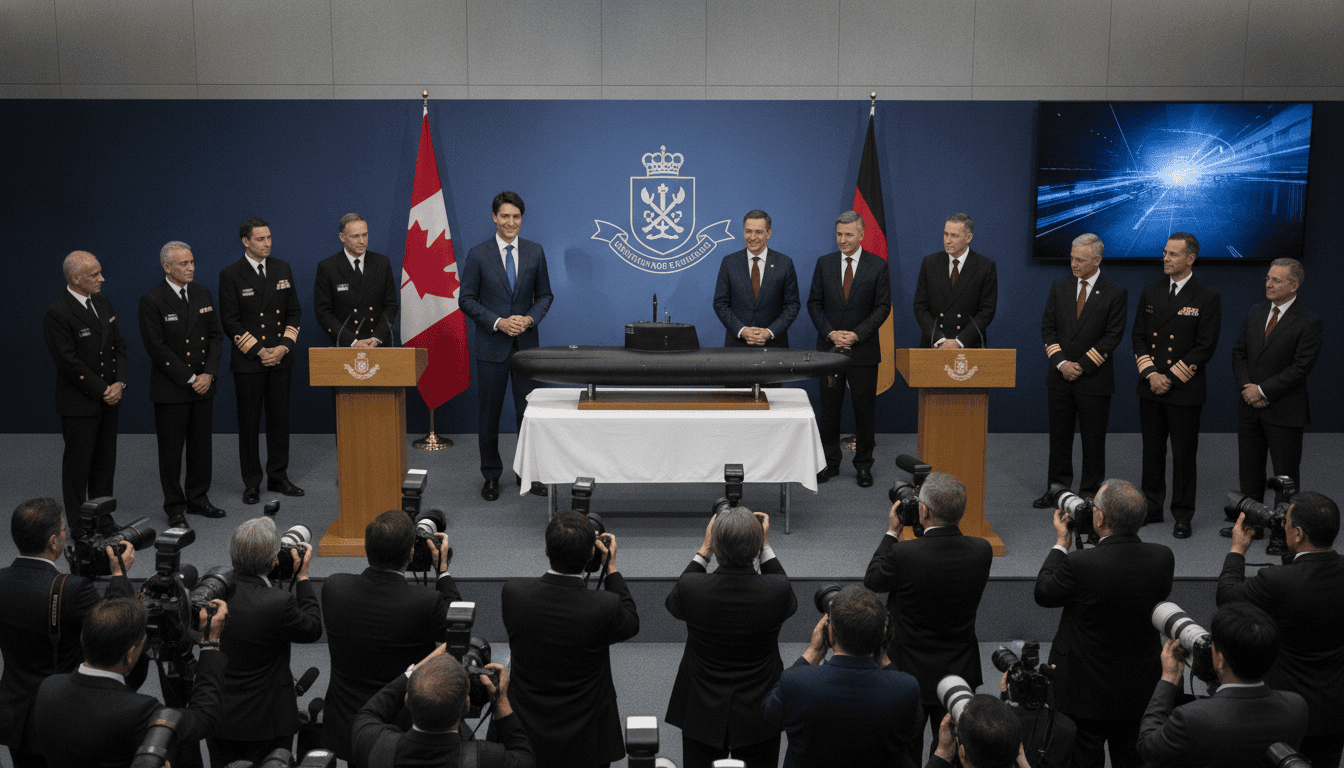
The Canadian government has named German shipbuilder TKMS as the preferred bidder to build its next-generation submarine fleet, launching detailed negotiations toward a potential multi‑billion-dollar contract. The announcement, made in Halifax ahead of a NATO summit, makes TKMS the front‑runner to supply as many as a dozen conventionally powered submarines for the Royal Canadian Navy. The decision is a designation of preference rather than a signed contract, and Ottawa and TKMS will now move into the next phase of talks.
Canada names TKMS preferred bidder for submarine fleet
The government framed the move as a step toward replacing the aging Victoria‑class boats and modernizing Canada’s undersea capability in the face of a shifting security environment. Officials emphasized that the designation starts a period of detailed negotiations on price, timelines and industrial commitments before any final contract is executed. Market reaction was immediate, with TKMS shares rising sharply on the news.
The designation is the result of a competitive procurement that narrowed to two contenders, leaving TKMS and a South Korean design as the final rivals. Ottawa signaled that interoperability with NATO partners and a broad industrial offer were decisive factors in reaching its preferred choice. The announcement stops short of a firm award, and the timetable to a signed contract remains subject to further reviews and approvals.
Scope and economic scale of the program
Public descriptions of the program outline a potential order of up to 12 submarines with an estimated program value in the tens of billions of Canadian dollars. Early reports cite a headline price of roughly CAD 60 billion, which converts to several dozen billion euros, although the final contract price will depend on configuration and offset agreements. TKMS has provided its own projections of wide economic effects across Canada linked to supply chains, services and long‑term sustainment.
The German company said the project could generate substantial national economic activity and hundreds of thousands of work‑years over the lifetime of the program. Ottawa indicated that industrial benefits were a core element of the bid evaluation, with the winning offer required to create domestic jobs and invest in Canadian industry. Those industrial outcomes will be negotiated as part of the detailed contracting phase.
Winning design and international consortium
The design proposed for Canada is the 212 CD class, a conventional submarine developed through German and Norwegian collaboration and already under construction for other navies. TKMS will lead a consortium that includes Norway’s Kongsberg Defence & Aerospace, leveraging existing work sharing and common systems between allied fleets. The 212 CD’s combination of proven design and partner supply chains was highlighted as an advantage in evaluation discussions.
The main alternative in the later stages of the competition was a Korean design built by Hanwha Ocean, the KSS‑III. Sources close to the procurement process said the 212 CD’s compatibility with NATO procedures and the fact that Germany and Norway have existing orders for similar boats reduced integration risk. That operational familiarity and the consortium structure were judged to shorten lead times and simplify logistics for allied operations.
NATO interoperability and strategic rationale
Officials framed the choice as one that strengthens operational ties within NATO by favoring a platform that can be more readily integrated into alliance structures. Interoperability covers communications, tactics, maintenance and training, and was repeatedly cited as a practical benefit of the German‑Norwegian offering. Canadian defence sources also pointed to evolving global security pressures as a key driver for accelerating undersea capability upgrades.
Decision‑makers stressed that the submarines are intended to give Canada greater reach and resilience amid rising tensions in multiple theatres. The government has argued that new, modern submarines are necessary to protect maritime approaches and to operate alongside allied forces in contested environments. Those strategic considerations factored alongside industrial and schedule commitments in the evaluation.
Industrial package and Canadian investment commitments
The TKMS bid included an extensive industrial package designed to anchor work in Canada and deliver technology transfer, training and infrastructure projects. Announced collaborations include agreements on crew training, partnerships with Canadian technology firms and proposals for broader industrial investments in areas such as aerospace and carbon capture. The package is intended to ensure that a significant share of the program’s economic value accrues to Canadian companies and workers.
Proponents of the deal say the industrial elements extend beyond shipbuilding to workforce development, supply‑chain expansion and dual‑use technology projects. The proposal also referenced energy and export arrangements that could have supported the bid’s competitiveness. Those non‑shipbuilding commitments will now be examined closely as negotiators move to finalize commercial and legal terms.
Delivery schedule, backlog impact and industry response
TKMS indicated it would aim to deliver the first submarine to Canada by 2033, reflecting both production planning and the need to sequence deliveries among existing European orders. The company already had a substantial order backlog, which it said would be strengthened further if Ottawa signs a final contract. Industry officials and political leaders in Germany welcomed the outcome as a major export success and a boost for allied naval capabilities.
German defence officials described the decision as reinforcing strategic industrial partnerships in the North Atlantic and pointed to the benefits of producing a common class of boats across allied navies. Canadian military leaders have emphasized urgency in replacing old boats and improving undersea readiness. The formal contract pathway and financing remain the next hurdles before the program transitions from preferred bidder stage to binding commitments.
The procurement now enters a period of intensive negotiations over price, industrial guarantees, technology transfer and delivery sequencing, with both governments and industry teams expected to seek clarity on milestone dates and long‑term sustainment arrangements. The final contract, if concluded, will reshape Canada’s naval posture and commit major resources to an extended construction and support program.
