
Supreme Court Restores Birthright Citizenship, Rules All U.S.-Born Are Citizens
U.S. Supreme Court rules on June 30, 2026 that everyone born on American soil is a citizen, reversing Trump’s 2025 decree ending birthright citizenship.
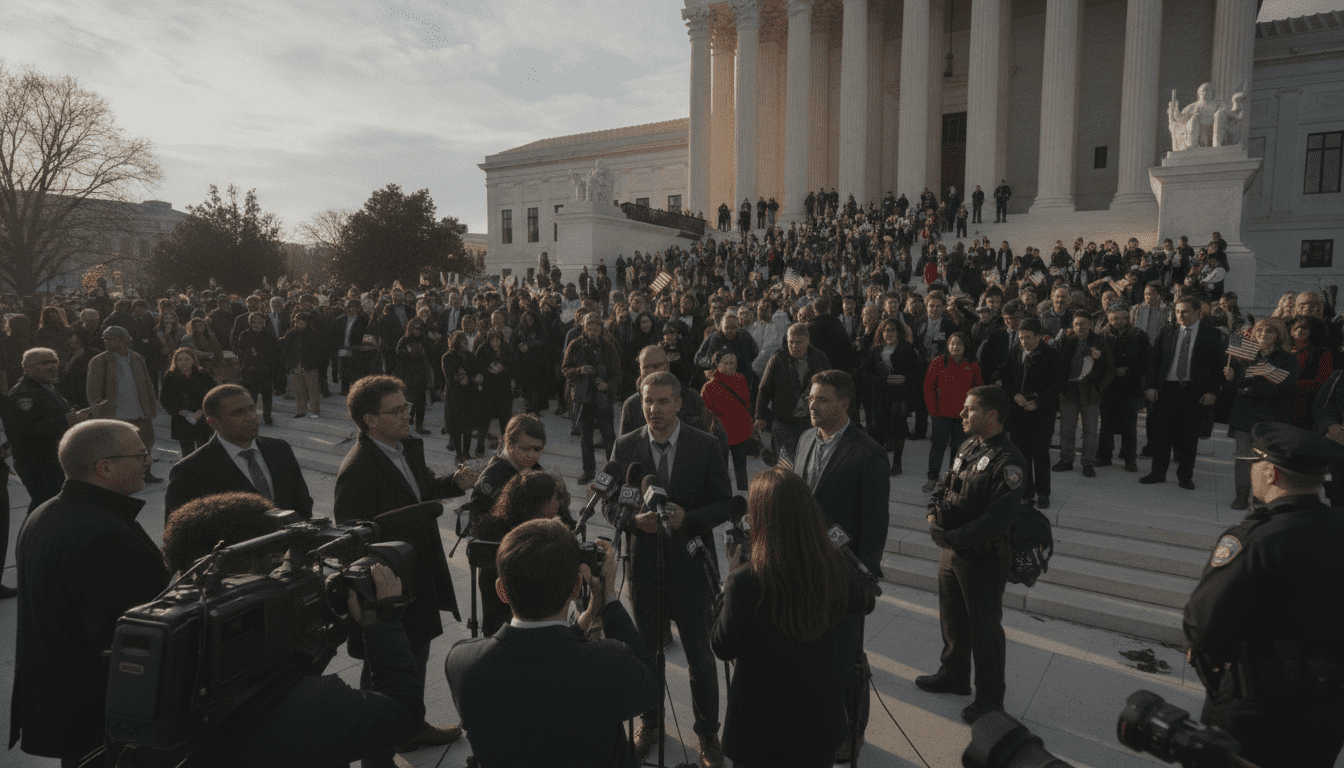
The Supreme Court on June 30, 2026 issued a definitive ruling that birthright citizenship applies to anyone born in the United States, rejecting a 2025 presidential decree that had attempted to eliminate the practice. The decision settles a question the Court had not directly revisited in nearly 130 years and restores longstanding federal interpretation of citizenship. The ruling immediately affects children born on U.S. soil and has wide implications for immigration policy and administrative practice.
Supreme Court affirms citizenship by birthplace
The Court’s opinion states that being born in the United States confers citizenship, returning the legal standard to a historical interpretation tied to the Fourteenth Amendment. Justices described the question of “Who is American?” as resolved by constitutional text and precedent, rather than by executive action. The decision overturns the unilateral change put in place by the previous administration and re-establishes birthright citizenship as the default rule.
Reversal of Trump’s January 2025 decree
In January 2025, President Donald Trump issued a decree that sought to strip U.S. citizenship from children born in the country to parents who were in the United States unlawfully or on temporary visas. The decree effectively attempted to abolish birthright citizenship and required agencies to alter longstanding procedures for recording births and conferring nationality. The Supreme Court’s ruling now nullifies that decree and reinstates the prior legal framework.
Return to the 1898 precedent
Legal debate over birthright citizenship has referenced a near-century-old Supreme Court precedent from 1898, which had long been treated as the controlling interpretation of the Fourteenth Amendment’s citizenship clause. The recent opinion reaffirms the relevance of that line of cases and emphasizes continuity with constitutional history. By doing so, the Court places emphasis on established statutory practice and judicial interpretation rather than on changes initiated by executive fiat.
Majority reasoning centered on constitutional text
The majority opinion analyzes the Fourteenth Amendment and prior case law to conclude that the citizenship clause covers virtually all persons born in the United States. The justices considered statutory history and prior rulings in rejecting the argument that parentage or immigration status should determine a child’s nationality at birth. The Court framed its conclusion as a restoration of settled law, asserting that such a fundamental rule cannot be altered by executive decree alone.
Immediate administrative and legal effects
Federal and state agencies that issue birth certificates, process citizenship claims, and manage immigration records will need to align procedures with the Court’s ruling. Hospitals, local registrars and federal agencies may face follow-up guidance to ensure consistent documentation for newborns and their families. The ruling could also affect pending petitions and litigation filed in response to the January 2025 decree, as courts and agencies apply the restored standard retroactively where appropriate.
Political reactions and likely next steps
The decision is expected to intensify political debate over immigration, citizenship and border policy, with advocates on both sides responding quickly. Supporters of birthright citizenship hailed the ruling as a protection of constitutional rights, while critics signaled intentions to pursue legislative or administrative alternatives. Congress now faces renewed pressure from lawmakers advocating both for codifying the Court’s interpretation into statute and for seeking other avenues to change eligibility rules.
Legal scholars and immigration officials say the ruling will funnel future disputes into the legislative arena if changes are sought, rather than into executive orders. Lawmakers who opposed the decree in 2025 are likely to push for clearer statutory language, while those who backed limits on birthright citizenship may pursue new proposals that would have to pass constitutional muster.
Public agencies and families affected by the 2025 decree are expected to receive clarification from government departments over coming weeks. The Supreme Court’s decision reasserts a constitutional baseline and signals that citizenship policy of this magnitude will require either clear congressional action or a new constitutional amendment to alter.
