
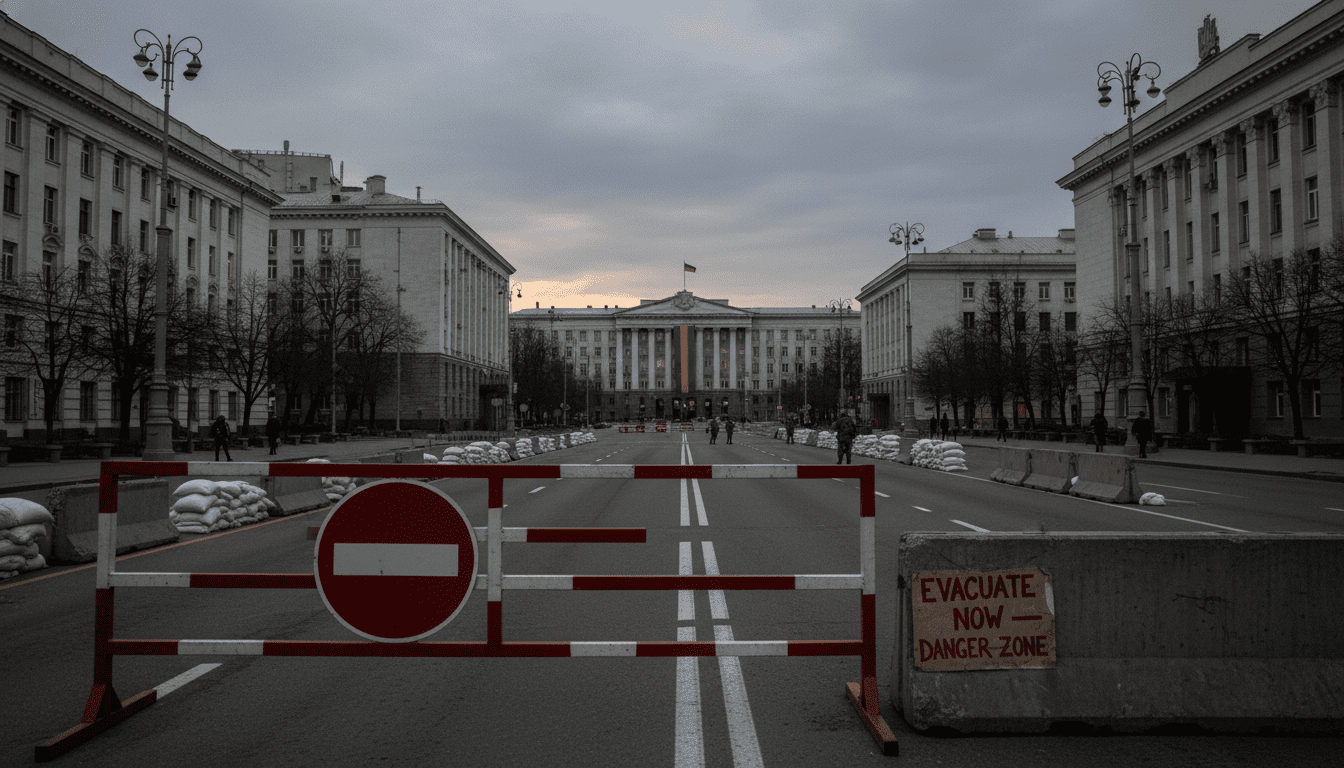
Russia Warns Foreigners to Leave Kyiv and Threatens Strikes on Command Posts and Drone Facilities
Russia warns foreigners to leave Kyiv and vows strikes on command centres and drone facilities after a deadly dormitory blast, stoking fears of wider escalation.
Russia warns foreigners to leave Kyiv and issued a fresh threat on Monday, saying it will target “decision-making centres, command posts and drone manufacturing facilities” across the Ukrainian capital, a move that raises the prospect of a major escalation in the more-than-four-year conflict.
The Russian foreign ministry urged foreign citizens, including diplomatic staff and personnel of international organisations, to leave Kyiv “as soon as possible,” saying the facilities it plans to strike are scattered across the city.
Moscow Issues Warning to Foreigners in Kyiv
Moscow’s statement, published by the Russian Ministry of Foreign Affairs, framed the warning as a response to a deadly attack in the occupied Luhansk region and set out a list of intended types of targets in Kyiv.
A later Russian release said Foreign Minister Sergey Lavrov had informed US Secretary of State Marco Rubio of the planned strikes and urged him to evacuate his embassy staff, according to Moscow.
The ministry also specifically advised residents to avoid military and administrative infrastructure in Kyiv, saying those sites could be targeted in coming strikes.
Russian officials framed the announcement as a necessary measure in retaliation, while also warning that the risk to civilians and foreign personnel in the capital was heightened.
Russia Identifies Military and Drone Targets
Moscow described the intended targets as command nodes and drone production facilities, alleging these are interspersed throughout Kyiv and therefore present a widespread threat.
The ministry tied the announced operation to a drone strike on a student dormitory in Starobilsk in Russian-occupied Luhansk that Russia says killed at least 18 people, calling the dormitory attack a “flagrant disregard for international humanitarian law.”
Russian statements characterised the Kyiv government in sharply hostile terms and presented the planned strikes as a direct response, seeking to justify a wider campaign against Ukrainian capabilities.
Analysts warn that targeting command and manufacturing infrastructure in an urban capital carries significant risks of civilian harm and disruption to diplomatic operations.
Kyiv Denies Responsibility for the Dormitory Strike
Ukrainian military spokespeople denied responsibility for the Starobilsk dormitory blast and instead said the strike hit an elite drone command unit, a claim that underscores the fog of war around such incidents.
Officials in Kyiv have repeatedly rejected charges of deliberately striking civilian housing, and they maintained that their operations are directed at military targets.
Following the dormitory explosion, both sides intensified attacks: Russian strikes on Kyiv over the weekend killed and injured civilians, while Ukrainian forces have expanded drone operations against targets in Russia.
Ukrainian Foreign Minister Andrii Sybiha publicly urged allies not to yield to “Russian blackmail,” pressing for continued international support in the face of Moscow’s threats.
Casualties and Recent Attacks Escalate Tensions
The warning comes after a series of lethal attacks on both sides in recent weeks, including a large Ukrainian drone barrage on May 17 that Russian officials said struck Moscow and other regions and killed several people.
Russian regional officials reported damage and civilian casualties in the Moscow region, and Moscow blamed the Ukrainian strikes for deaths and infrastructure damage there.
In Kyiv, weekend Russian drone and rocket strikes killed at least four people and caused widespread injuries and damage, while Ukrainian officials also reported deadly strikes in the eastern Kharkiv and Donetsk regions.
Humanitarian groups and foreign missions have warned that sustained strikes in urban areas increase the number of displaced people and complicate provision of medical and emergency services.
Diplomatic Reactions and Evacuation Advisories
Moscow’s advisory was the first time it issued a direct, formal warning specifically telling foreigners to leave Ukraine’s capital, a step that unsettled diplomats and international organisations.
France’s ambassador in Kyiv, Gael Veyssiere, said residents continued daily activities on Monday, describing a show of resilience and arguing international support for normal life was important.
Officials in allied capitals have not yet announced coordinated embassy evacuations in response to Moscow’s advisory, and many foreign staff have remained in place while reviewing security plans.
Philip Bednarczyk, director of the German Marshall Fund’s Warsaw office, said the warning appears intended to change the narrative after winter setbacks for Russia and is likely aimed at weakening resolve rather than preparing an immediate citywide assault.
Diplomacy Stalls as Peace Prospects Dim
Diplomatic efforts to end the war have been intermittent since fighting began in February 2022, with talks producing little concrete progress and territorial disputes remaining a core impasse.
The return of Donald Trump to the US presidency in January 2025 introduced new diplomatic overtures, including separate meetings with both Russian and Ukrainian leaders, but those encounters have not yielded a ceasefire.
Washington has signalled readiness to convene another round of talks, while analysts say US attention has been strained by wider geopolitical crises, prompting suggestions that European nations may need to play a larger mediation role.
Observers including Bednarczyk expressed scepticism about Moscow’s current commitment to genuine peace negotiations, noting that Russian strategic aims still appear to include retaining territory seized during the conflict.
The Russian warning to foreigners in Kyiv has heightened international concern and prompted fresh scrutiny of diplomatic posture and civilian safety in the city.
As Kyiv and its partners weigh responses, the situation remains fluid and fraught with risk, with potential actions by either side capable of widening the conflict and deepening the humanitarian toll.
