
Rising Restaurant Costs Push Cafés to the Brink as Four‑Euro Cappuccinos Become Common
Cafés and small restaurants are confronting rising restaurant costs that squeeze margins even when dining rooms appear full, forcing operators to justify higher prices on items such as the now‑familiar four‑euro cappuccino.
Across urban centers, customers reacting to rising menu prices are being told the same story: visible sales are not translating into profit because fixed investments, staffing and operating expenses have all climbed steeply in recent years. Industry consultants and operators alike warn that without changes to organization, pricing and labor models, many independent venues will struggle to remain viable. The debate over why a simple cup of coffee now costs several euros has become a focal point for broader questions about the economics of hospitality.
Four‑Euro Cappuccino: How the Price Adds Up
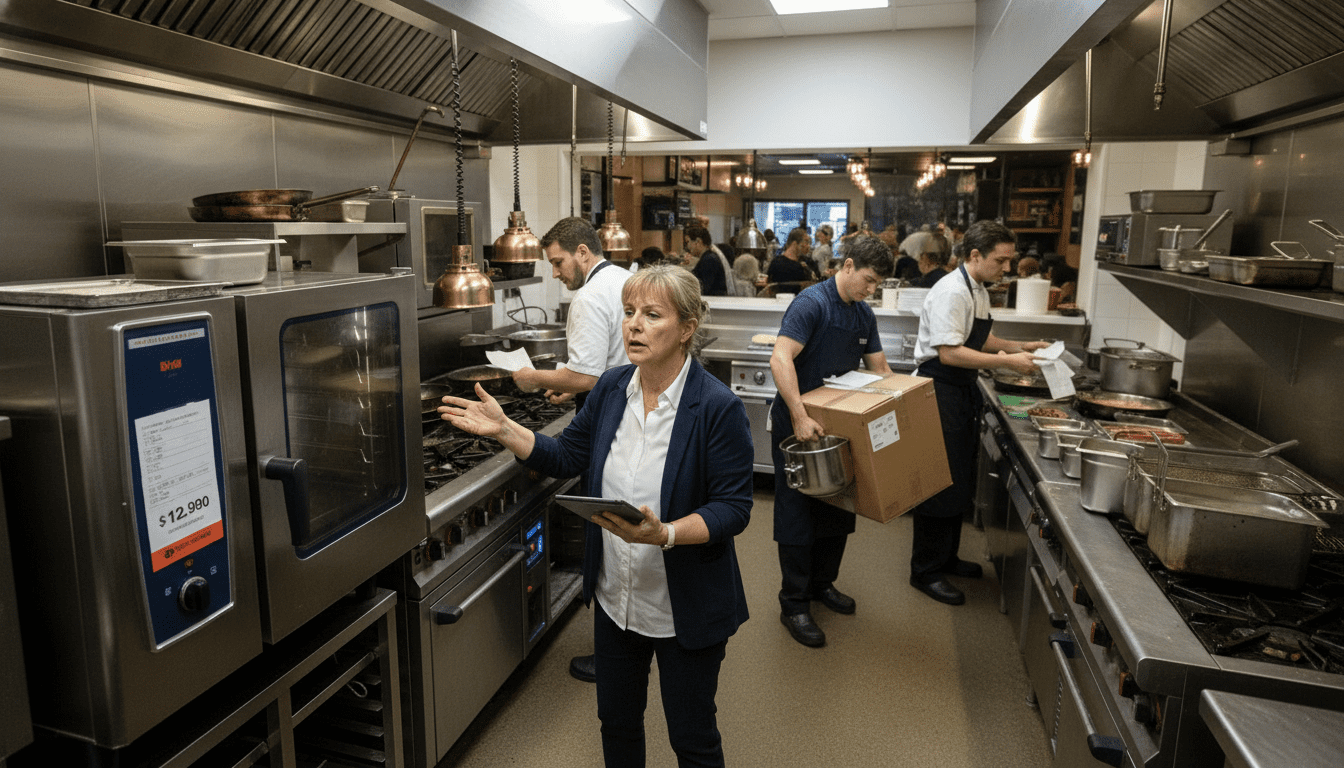
A single cappuccino at about four euros can seem disproportionate until the full cost structure is laid out, industry advisers say. Professional espresso equipment alone can run into the tens of thousands of euros — a high‑end machine commonly cited is roughly €15,000 and additional grinders and accessories add several thousand more. When the cost of milk, roasted beans, taxes and VAT are subtracted, only a small portion of the sale remains to cover wages, rent, utilities and other overhead.
Operators also point to rising expectations around quality and consistency, which require better beans, training and service standards that further raise per‑cup costs. The visible retail price therefore reflects more than raw ingredients; it incorporates capital amortization, energy and the margins necessary to sustain a business over off‑peak periods. For many small cafés this reality explains why apparent customer demand has not translated into financial comfort.
Equipment Investment and Capital Recovery
Capital outlay for front‑of‑house and kitchen equipment has become a recurring burden for restaurateurs planning to open or upgrade venues. High‑precision espresso machines, extraction tools and multiple grinders are treated as long‑term investments but must be amortized over thousands of beverages to make financial sense. Leasing or financing can spread the burden, yet interest, maintenance and periodic replacement add to annual expenses.
Smaller operators say they are caught between two pressures: customers who expect café standards on par with specialty coffee shops and landlords or lenders who expect steady payments regardless of seasonal sales swings. Those competing pressures mean equipment cost recovery is as much a managerial challenge as a financial one, requiring careful forecasting and margin awareness at the item level.
Labor and Energy Costs Squeeze Margins
Rising restaurant costs are most visible in personnel and energy bills, which together consume a large share of sales revenue. Staff wages, social contributions and the need for more skilled baristas increase labor intensity and expenses, and tighter labor markets have driven hourly costs higher in many regions. Energy price volatility, especially for gas and electricity in commercial kitchens and heating systems, compounds the squeeze on already thin margins.
Operators report that even with efficient staffing and table turnover, labor costs often eclipse what remains after ingredient and equipment expenses are accounted for. The result is that full dining rooms no longer guarantee profitability, and margins are particularly fragile in low‑price segments where per‑item contribution is small.
Organizational Shortfalls and Waste
Consultants highlight that poor organization and operational waste are frequent culprits behind faltering cafés and restaurants. Inefficient shift scheduling, overproduction, inconsistent portioning and stock loss all inflate the effective cost per dish or drink. Where management practices are outdated or fragmented, modest gains in organization and forecasting can materially improve margins without raising prices.
Investments in training, clearer workflows and simple inventory controls are often less costly than major capital expenditures but require managerial discipline to implement. For many operators, the challenge is not a single factor but a combination of avoidable waste and unavoidable inflationary pressure that together erode profitability over time.
How Restaurateurs Are Responding
Faced with persistent restaurant costs, some operators are adjusting pricing strategies, narrowing menus and prioritizing high‑margin items to stabilize returns. Others are experimenting with service models that reduce labor intensity, such as limited‑service formats, pre‑ordered pick‑up or streamlined offerings during off‑peak hours. Technology and scheduling tools are also being tested to better align staffing with demand spikes and troughs.
A subset of cafés is investing in customer education — explaining the cost structure behind specialty products — while others emphasize value through locally sourced ingredients or loyalty programs. These responses vary in effectiveness, and owners caution that no single tactic will reverse structural cost increases; a combination of pricing, organization and product mix changes is typically required.
Independent cafés and small restaurants are also lobbying for policy attention to issues such as energy support and fair rental practices, arguing that targeted relief can buy time for operational adjustments. Industry associations are calling for clearer information for consumers so that price increases are understood in the context of rising operational burdens.
The café and restaurant sector now faces a test of adaptation; as restaurant costs remain elevated, operators will need to balance quality expectations with sustainable business models or face further closures in a market that still counts on hospitality as both a cultural fixture and an economic employer.
