
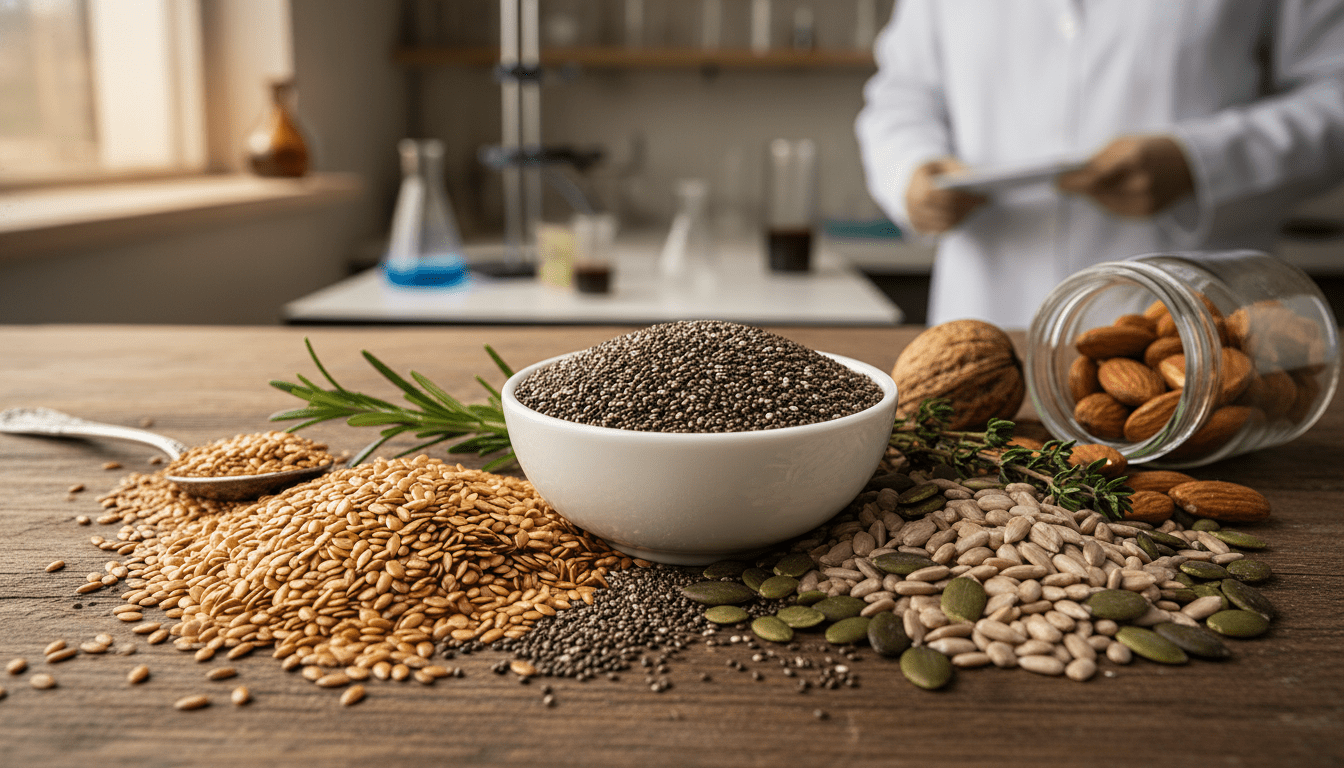
Plant-Based Omega-3 Sources: Flaxseed, Chia, Hemp and Walnuts Backed by Recent Studies
A concise guide to the top plant-based omega-3 sources, their ALA content, and recent research showing benefits for heart health, blood pressure and inflammation.
Recent analyses and clinical studies reinforce that seeds and certain nuts are powerful plant-based omega-3 sources with measurable benefits for cardiovascular health. Flaxseed, chia, hemp and walnuts each supply alpha-linolenic acid (ALA), the primary plant omega-3, in servings that can meet or exceed recommended intakes. New trial data from 2024 and 2025 link regular consumption of these foods to improvements in triglycerides, inflammation markers and blood pressure in specific groups. Nutrition experts say adding these foods is an efficient way to raise ALA intake, particularly for people following vegetarian or vegan diets.
Flaxseed ranks highest for ALA per gram
Flaxseed delivers a notably high concentration of ALA, with a typical two-tablespoon serving providing roughly 2.9 grams of the fatty acid. That amount exceeds established adequate intake guidelines and gives a strong boost to daily plant-based omega-3 totals. Research released in 2024 found flaxseed intake associated with lower triglycerides, reduced blood sugar and declines in C-reactive protein, an inflammation marker linked to heart risk.
Chia seeds deliver large ALA and fiber doses
A single serving of chia seeds—about two tablespoons—contains around 5 grams of ALA, making chia one of the richest plant-based omega-3 sources by serving. Chia also supplies substantial fiber and protein, with one serving providing roughly one-third of daily fiber needs, most of it insoluble. Recent trials have reported modest reductions in systolic blood pressure, waist circumference and C-reactive protein among people who consumed chia regularly, suggesting combined cardiovascular and metabolic benefits.
Hemp seeds combine ALA with protein and minerals
Hemp seeds offer roughly 2.6 grams of ALA per three-tablespoon serving while also delivering more than 9 grams of plant protein and high amounts of magnesium and zinc. Those minerals play supporting roles in cardiovascular health: magnesium helps regulate blood pressure and zinc contributes to reducing inflammation and oxidative stress. Hemp’s amino acid profile—particularly arginine—may also promote nitric oxide production, which helps dilate blood vessels and improve blood flow.
Walnuts associated with lower heart-related mortality and cognitive gains
Walnuts provide about 2.5 grams of ALA in a 30-gram portion (roughly seven halves) and are rich in polyphenols and fiber. Longitudinal analyses have linked regular walnut consumption to a lower risk of death from heart disease, while more recent controlled studies indicate potential cognitive benefits. A 2025 intervention observed improved reaction times and increased brain activity during decision-making tasks after breakfasts that included walnuts, pointing to possible advantages for both heart and brain when walnuts are incorporated into routine meals.
How to incorporate plant-based omega-3 sources into everyday eating
Practical adjustments can raise ALA intake without major dietary overhaul. Ground flaxseed mixes easily into smoothies, oatmeal and baked goods and can be used as an egg substitute in vegan recipes by combining one tablespoon with water per egg replaced. Chia seeds thicken puddings and yogurts and add texture to breakfasts, while hemp seeds sprinkle cleanly over salads and grain bowls to boost protein and minerals. Cold-pressed oils from flax or walnuts are useful for dressings and dips but should be avoided for high-temperature cooking because heat degrades ALA.
Increasing plant-based omega-3s does not require giving up seafood, which provides different forms of omega-3s (EPA and DHA) that the body uses more directly. Health guidelines still recommend fatty fish like salmon, sardines or mackerel twice weekly for those who eat animal products. For people relying mainly on plant sources, combining seeds and nuts with a balanced diet can help narrow the omega-3 gap common in Western eating patterns.
Although ALA conversion to EPA and DHA in humans is limited, regular consumption of high-ALA foods has been tied to measurable improvements in inflammation markers, blood lipids and blood pressure in several recent studies. Those effects appear most consistent for reductions in triglycerides and C-reactive protein, with some improvements in HDL and LDL reported in targeted trials. Individuals with specific health conditions, or those seeking EPA/DHA directly, should discuss supplementation or dietary strategies with a clinician.
Adding a daily serving of seeds or a handful of walnuts is an accessible step that fits most diets and budgets. For optimal nutrient absorption, experts recommend grinding flaxseed before use, soaking chia when adding to liquids to aid digestion, and storing oil-based products in cool, dark places to preserve their fatty acids. Small, consistent changes can significantly raise intake of plant-based omega-3s and support heart and metabolic health over time.
