
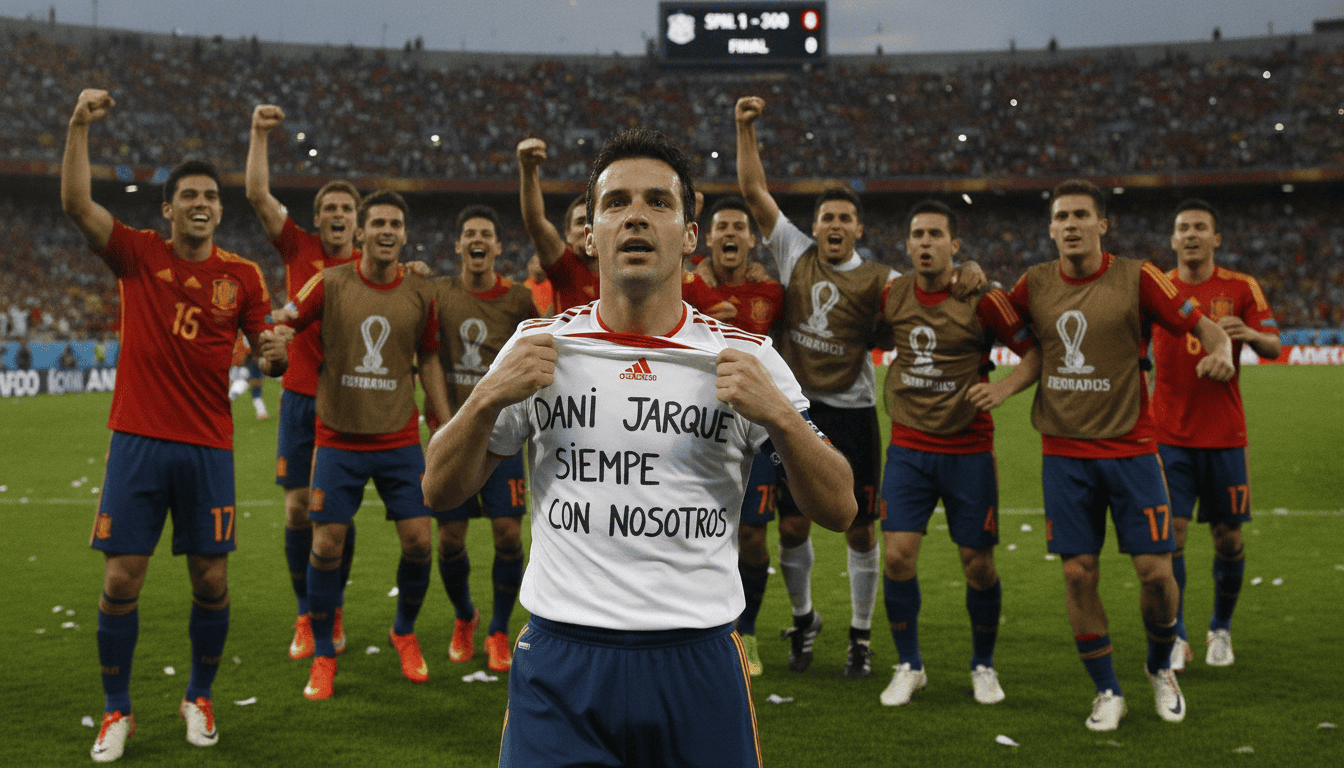
Andrés Iniesta World Cup goal: the 2010 strike that sealed Spain’s title and honored Dani Jarque
Andrés Iniesta World Cup goal broke the deadlock in the 2010 final, giving Spain its first world championship and serving as a public tribute to his late friend Dani Jarque. The goal capped a personal journey from La Masia prodigy to global icon, and it remains one of football’s defining emotional moments.
From La Mancha to Barcelona’s academy
Andrés Iniesta arrived at Barcelona’s La Masia as a shy, precise 12-year-old from La Mancha. Coaches and teammates soon noticed an uncommon composure on the ball and a positional intelligence that set him apart from his peers. His technical elegance and footballing clarity would become the foundation for both his club and international success.
The night before the final
In the hours before the 2010 World Cup final, Iniesta wrestled with nerves and expectation, pacing his hotel corridor to test his readiness. He later asked club physio Hugo Camarero to write five words on a white undershirt before taking the field, a quiet ritual that underlined how much the match meant to him. That private preparation foreshadowed what would become a public, historic moment on the world stage.
The decisive play in extra time
The final against the Netherlands unfolded as a tense, physical contest with few clear openings. In the second period of extra time, Cesc Fàbregas delivered a penetrating pass into the penalty area that set Iniesta up in the right space. He waited, measured his touch and struck a high-energy volley that found the net, putting Spain ahead with only minutes remaining in extra time. The timing and execution of the shot made it immediately clear the team’s long pursuit of a world title had reached its climax.
A shirt that carried a message
After scoring, Iniesta removed his blue national jersey and revealed the white undershirt bearing a simple dedication: “DANI JARQUE SIEMPRE CON NOSOTROS.” The tribute honored Dani Jarque, the Espanyol captain and Iniesta’s close friend who had died suddenly the previous year. The inscription was written by Hugo Camarero and became a focal point of the celebration, turning a winning goal into a moment of personal remembrance shared with millions.
A final defined by physicality
The match itself was marked by relentless intensity and a physical approach from the Dutch side, which aimed to disrupt Spain’s rhythmic possession game. Several hard challenges left the contest bruising from the start, forcing Spain to find moments of creativity amid confrontation. Iniesta’s decisive strike arrived not in a comfortable passage of play but after prolonged physical attrition, underscoring its significance in a match defined by grit as much as skill.
Recovery from grief and return to form
The goal represented more than a sporting achievement for Iniesta; it followed a period of deep personal struggle after Jarque’s death in 2009. He described the time as one in which nothing felt right and confidence ebbed, prompting him to seek professional help and to channel himself into football as a way back. The World Cup-winning strike and its public dedication symbolized a turning point in his recovery and a reclaiming of identity both on and off the pitch.
Spain’s victory and Iniesta’s intervention reshaped his career legacy overnight. The image of him at the corner flag, shirt off and message revealed, became a lasting testament to how sport can carry intense personal meaning. The combination of technical mastery, long-term resilience and heartfelt tribute ensured the moment would be revisited in football history for generations.
The Andrés Iniesta World Cup goal remains an emblem of national triumph and private remembrance, a goal that decided a final and also offered closure for a player who had endured loss and found a way to honor it on the world’s biggest stage.
