
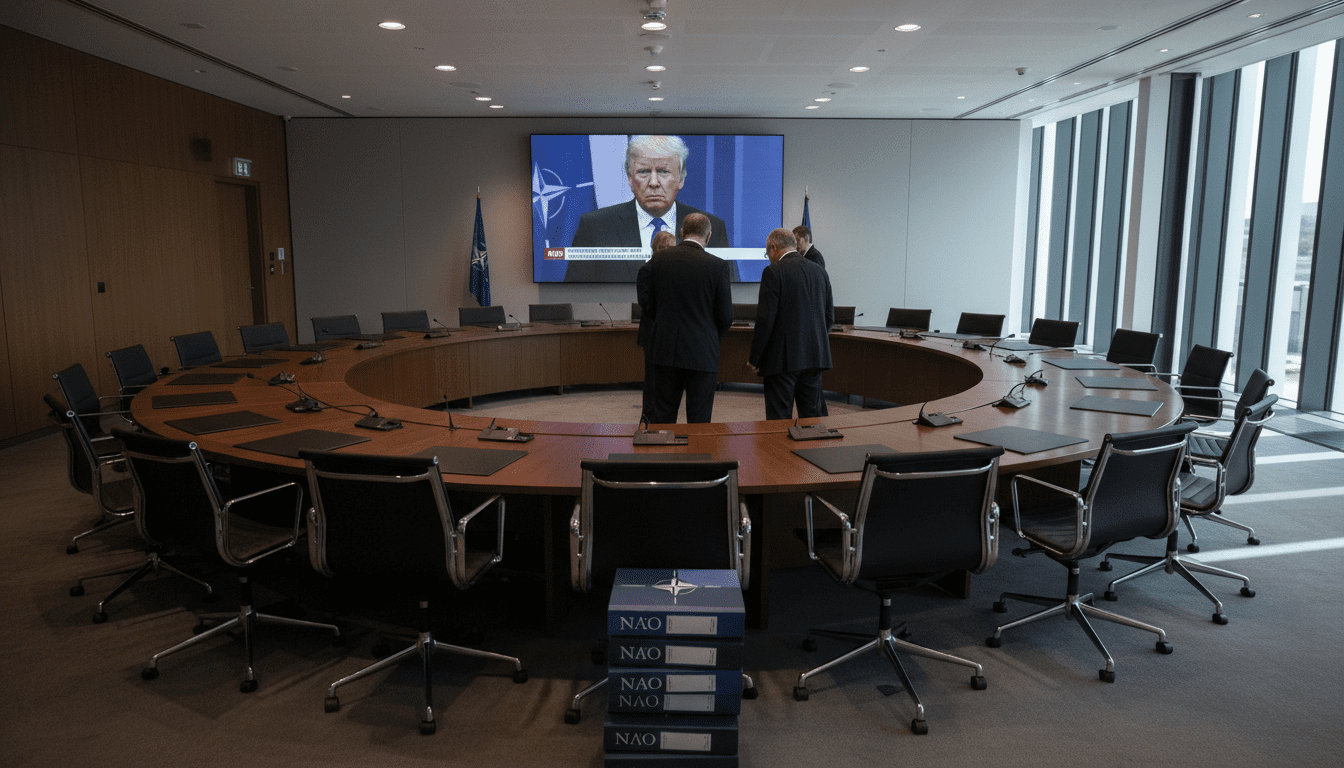
NATO weighing cuts to summit frequency amid ally concerns, Reuters says
NATO is weighing reducing its summit frequency, Reuters reports, as allies argue annual meetings heighten the pressure to produce headline decisions and pull focus from long-term planning.
Allies propose fewer NATO summits, Reuters sources say
Six diplomatic sources told Reuters that a number of NATO members are calling for fewer summit meetings, arguing the current annual rhythm has become counterproductive. The sources suggested that less frequent gatherings would allow leaders and officials more time to develop substantive policies outside the public spotlight.
The reporting says the push comes from within the alliance rather than from a single capital, and diplomats framed the proposal as a quality-over-quantity argument. Those who favor change told Reuters they view the current tempo as encouraging theatrical announcements rather than durable, consensus-based strategy.
Officials warn annual meetings create performance pressure
Allies quoted by Reuters say yearly summits can pressure the alliance into producing visible outcomes even when complex issues require longer deliberation. Diplomats argued this dynamic can lead to rushed decisions or symbolic gestures that do not advance NATO’s strategic objectives.
Sources described a preference for fewer, better-prepared gatherings that would free political leaders and defence ministers to focus on implementation and contingency planning. They said improved preparation time could sharpen debate and increase the likelihood that summit commitments translate into concrete action.
U.S. influence and President Trump cited by multiple sources
Two of the Reuters sources linked the discussion to the influence of U.S. President Donald Trump, who has publicly criticized NATO in the past and questioned the alliance’s value. The report does not specify how Trump’s stance factors into the allies’ calculus, but it notes his criticism remains a recurring element in discussions about NATO’s posture.
Other reporting cited by diplomats suggests the United States is also debating adjustments to its military footprint in some NATO countries that voiced strong opposition to U.S. policy on the Iran conflict. Allies say such adjustments could reshape alliance dynamics and feed into a broader reassessment of summit timing and format.
Summit schedule has varied across NATO’s history
A review of NATO’s past shows summit timing has not always been annual. The alliance, founded in 1949, held its first summit in 1957 and did not convene a second leaders’ meeting until 1974, demonstrating that summit cadence has fluctuated over decades. Periods of more frequent meetings have alternated with stretches of multi-year gaps depending on geopolitical demands.
Diplomats pointed out that regular annual summits resumed more recently, driven by evolving security challenges and the need for rapid coordination. The argument from proponents of change is that reverting to a less frequent schedule would not prevent urgent consultations but would reduce the expectation of headline-making outcomes at every leaders’ meeting.
Near-term summit plans expected to continue as scheduled
Reuters sources said the planned summit this year in Turkey and the 2027 leaders’ meeting in Albania are expected to go ahead as planned. The report added that 2028 — which falls in the final year of President Trump’s current term — could be a candidate for cancellation if allies proceed with reducing summit frequency.
Diplomats described the current proposals as tentative and subject to further internal discussions, with any formal change requiring consensus among NATO members. For now, alliance planning and calendaring proceed under existing arrangements while the debate over summit frequency unfolds.
Potential diplomatic and operational consequences
Advocates of fewer summits said the move could strengthen NATO by encouraging more disciplined, less theatrical policy-making and by freeing national capitals to focus on implementation. Critics caution that reducing high-level meetings risks lowering the alliance’s political visibility and may complicate rapid collective responses to crises.
Officials and analysts also highlighted procedural questions, such as which bodies would assume more responsibility between summits and how to maintain political momentum on defence spending, force posture, and burden-sharing. Any change would likely trigger negotiations over the role of foreign ministers, defence ministers, and the NATO Secretary General in sustaining coordination.
The debate over NATO summit frequency underscores a broader reassessment within the alliance about how best to balance political signaling with sustained strategic work. Allies now face choices about tempo, visibility and the mechanisms needed to translate summit commitments into policy and capability enhancements.
