
Merz cabinet reshuffle falters as transport replacement withdraws, prompting wider changes
Germany’s Chancellor Friedrich Merz launched a cabinet reshuffle after Jens Spahn’s resignation, but the plan hit a snag when the intended replacement for Transport Minister Patrick Schnieder declined the post. The Merz cabinet reshuffle, announced on July 24, 2026, confirmed several senior moves but left the transport portfolio unsettled. (bundesregierung.de)
The personnel shift was triggered by Spahn’s abrupt exit as CDU/CSU parliamentary leader following a surrogacy controversy, creating an opening Merz moved to exploit to reposition close allies. The chancellor framed the changes as a step to steady government operations ahead of difficult regional votes this autumn. (amp.dw.com)
Merz outlines new lineup
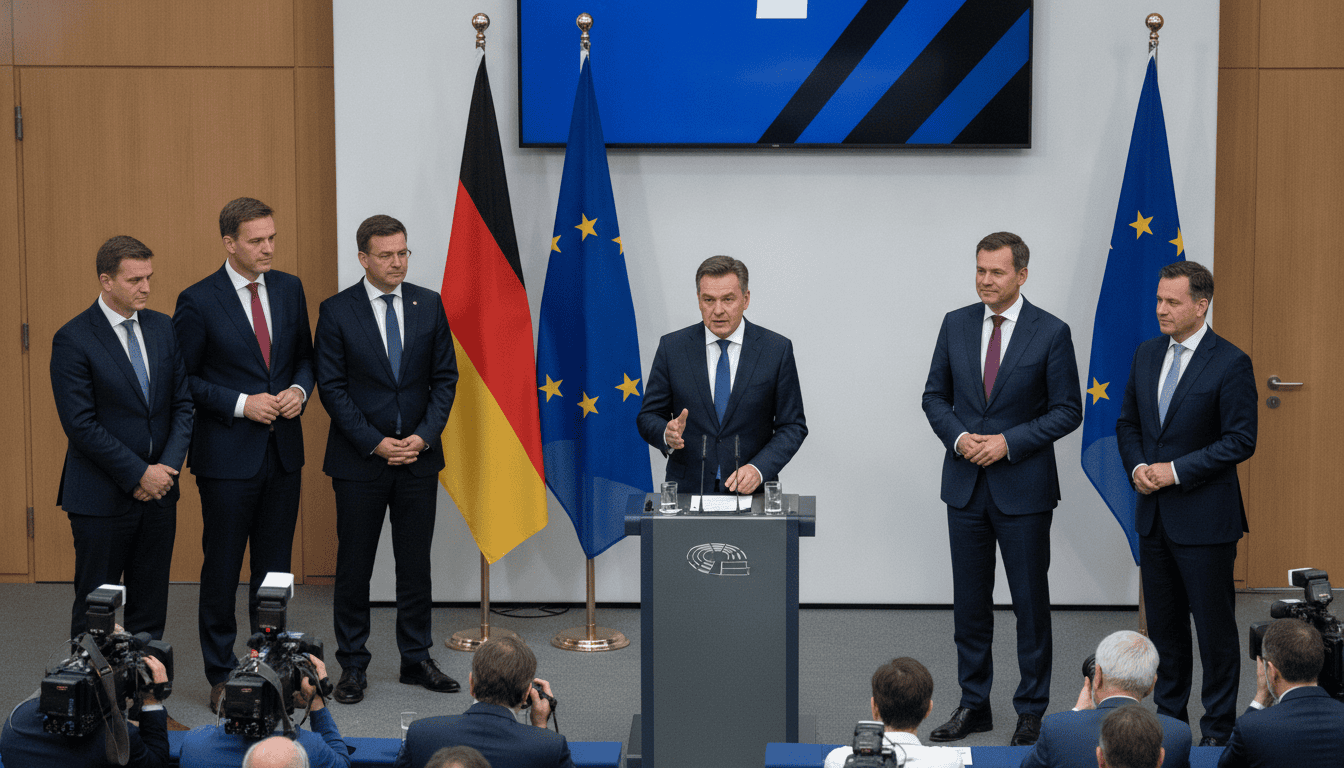
Merz publicly presented a partial roster of appointees from the garden of the Chancellery, stressing the reshuffle would continue in the coming days. The federal government confirmed Nina Warken would move to the Chancellery and Carsten Linnemann would take over the Health Ministry, while further cabinet changes were left open. (bundesregierung.de)
Transport ministry appointment collapses
Early reports that Transport Minister Patrick Schnieder would be removed circulated widely, but the handover collapsed when the proposed successor, Fritz Güntzler, withdrew his acceptance on short notice. The abrupt reversal left Schnieder technically in office but politically exposed, and the government now faces the task of finding another candidate for the high‑pressure transport brief. (zeit.de)
Nina Warken named to the Chancellery
Nina Warken’s shift from the Health Ministry to head of the Chancellery marks a high‑profile elevation within Merz’s team and underscores the chancellor’s preference for trusted lieutenants. Observers noted that her appointment carries symbolic weight: Warken will assume one of the administration’s most consequential coordinating posts at a moment of political strain. (apnews.com)
Carsten Linnemann to lead Health Ministry
Carsten Linnemann, hitherto the CDU’s general secretary, was tapped to run the Health Ministry, a move that reshuffles party management as well as government portfolios. The transfer of a party chief to a ministerial post signals Merz’s willingness to move loyalists into executive roles, even as it raises questions about policy continuity in health and internal party organization. (tagesschau.de)
Philipp Amthor installed as Bund‑Länder coordinator
Philipp Amthor will assume responsibility for federal–state coordination in the Chancellery, a position that requires heavy interaction with Länder governments but offers limited room for sweeping policy initiatives. Analysts say the appointment places an ambitious parliamentarian into a technical, negotiation‑heavy role where influence depends on leverage with federal ministries and state leaders. (bundesregierung.de)
Reshuffle tied to electoral pressure
Officials and commentators linked the timing of the Merz cabinet reshuffle to looming regional elections in September, where the governing coalition faces difficult tests and the far‑right Alternative for Germany is seen as a potential beneficiary of discontent. The chancellor framed the changes as a bid to make the government appear more effective and united, while critics argued the moves amount to political window‑dressing. (apnews.com)
The botched handover at the Transport Ministry underlines the practical challenge of assembling a cohesive team on an accelerated timetable and illustrates the political risks of announcing personnel changes before all candidates have formally agreed. Merz left open the prospect of further adjustments, and party and coalition officials said additional names could be unveiled in the coming days as negotiations continue. (zeit.de)
For now, the Merz cabinet reshuffle has installed key confidants in central posts while exposing administrative friction and forcing a search for a new transport minister, a job that will test both the coalition’s managerial capacity and the chancellor’s ability to control the pace of change.
