
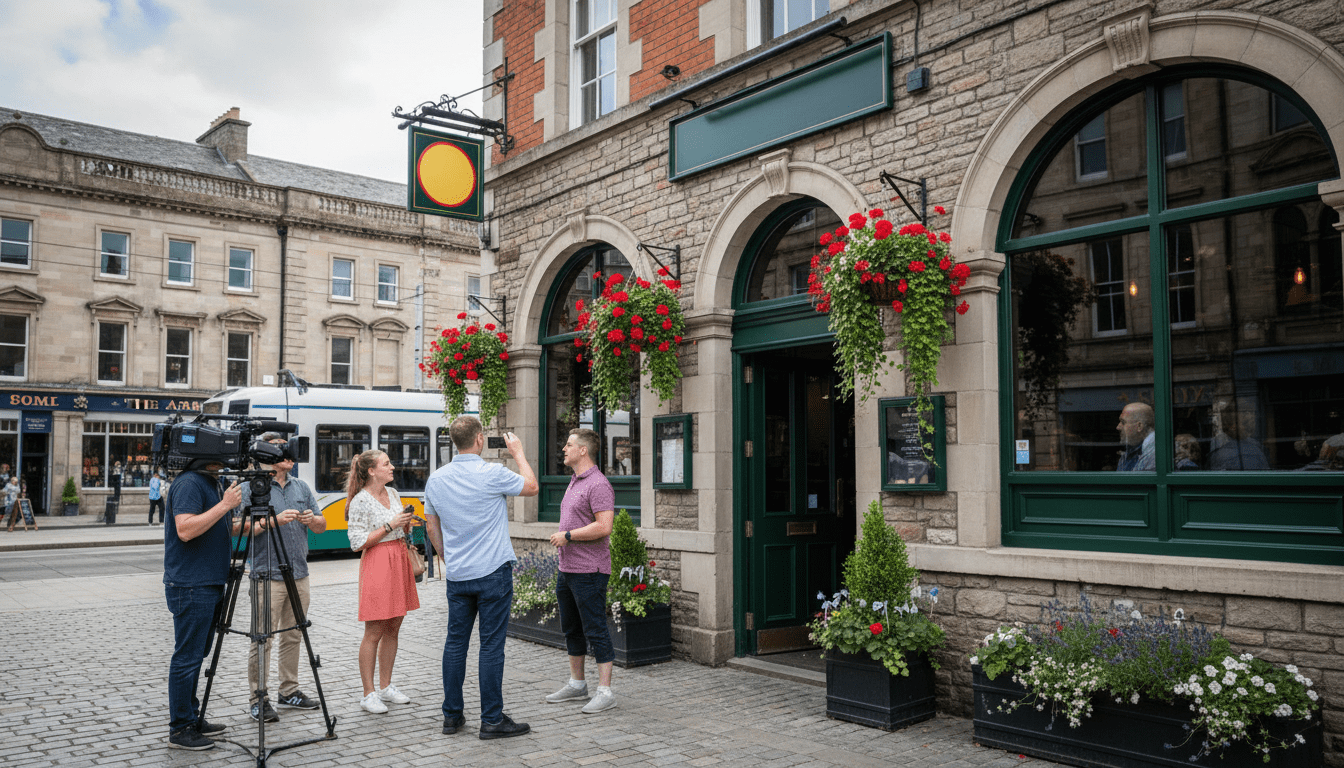
Lidl pub in Northern Ireland approved by court to open in summer 2026
Lidl to open a pub in Northern Ireland in summer 2026 using a legal loophole to sell alcohol; court approval fuels debate over pub culture and regulation.
Lidl will open a pub in Northern Ireland this summer, a move approved by a local judge that uses a legal distinction between pub and supermarket alcohol sales. The proposal, which the company says adapts to local rules, has already drawn sharp interest from community groups, competitors and legal commentators. The court ruling clears the way for a branded venue that officials say will operate under pub licensing rather than supermarket retail rules.
Lidl’s plan and the venue’s identity
The discount retailer plans to launch the venue under a pub-style concept, positioning it as a licensed space where alcohol can be sold on the premises and, crucially, for takeaway under pub licensing. Company spokespeople describe the initiative as an experiment tailored to Northern Ireland’s licensing framework and consumer habits. Critics, however, question whether the venue will function as a traditional pub or primarily as an alcohol outlet wrapped in pub branding.
Court rules in favour of the legal distinction
A judge identified as Colton ruled that the proposed Lidl venue may operate under the permissive rules applied to public houses, allowing the sale of alcohol for takeaway, a privilege not available to supermarkets under current local practice. The decision followed objections from rivals and regulators who warned the move could undermine existing retail restrictions. The ruling emphasized the technical difference in licensing regimes rather than endorsing a change in policy.
Literary inspiration cited by proponents
The plan drew an unusual cultural reference in public discussion: Lidl’s supporters compared the strategy to an appeal depicted in Flann O’Brien’s short story “Thirst,” where human need persuades authority. Company and legal advisers have pointed to the story as a metaphor for adapting to local customs and consumer demand in a changing market. Observers say the literary comparison has helped frame the debate in symbolic terms, even as critics call for clearer legal and regulatory guidance.
Local pubs face closures amid shifting economics
The announcement comes against a backdrop of long-running closures of traditional pubs across the British Isles, where many small venues have struggled with rising costs, staffing shortages and falling footfall. Campaigners for local pubs argue that converting retail space into licensed outlets risks further hollowing out community pubs that rely on on-premises trade. Supporters of the Lidl model counter that new formats can bring investment to underserved areas and keep licensed services available to residents.
Regulatory and tax issues at the center of debate
The dispute highlights differences in how alcohol sales are regulated and taxed between supermarkets and licensed premises, with opponents pointing to perceived advantages that large retailers enjoy. Analysts say such disparities can create incentives for supermarket chains to seek alternative licensing arrangements that mimic licensed premises. Regulators have signaled they will review whether existing frameworks adequately address evolving retail approaches to alcohol distribution.
Community and industry responses remain mixed
Local councillors, pub owners and consumer groups have offered mixed reactions, with some welcoming potential jobs and additional hospitality space and others raising concerns about fairness and the character of local high streets. Competing retailers lodged formal objections during the licensing process, arguing that the move could distort competition. Community meetings and consultations are expected in the weeks before the venue’s scheduled summer opening to gauge local sentiment and resolve outstanding operational questions.
The court clearance does not settle broader policy questions about alcohol licensing and the future of pubs, and it leaves open whether similar strategies will spread elsewhere. Lidl’s forthcoming venue will now serve as an immediate test case for how licensing rules are interpreted and whether regulators move to tighten or clarify the distinction between pubs and supermarkets. Observers say the outcome could influence retail and hospitality strategies across the region in 2026 and beyond.
