
Germany orders tougher action against Russian shadow fleet to protect energy supplies
Germany to tighten measures against the Russian shadow fleet to safeguard energy supplies and strengthen sanctions enforcement, the government says.
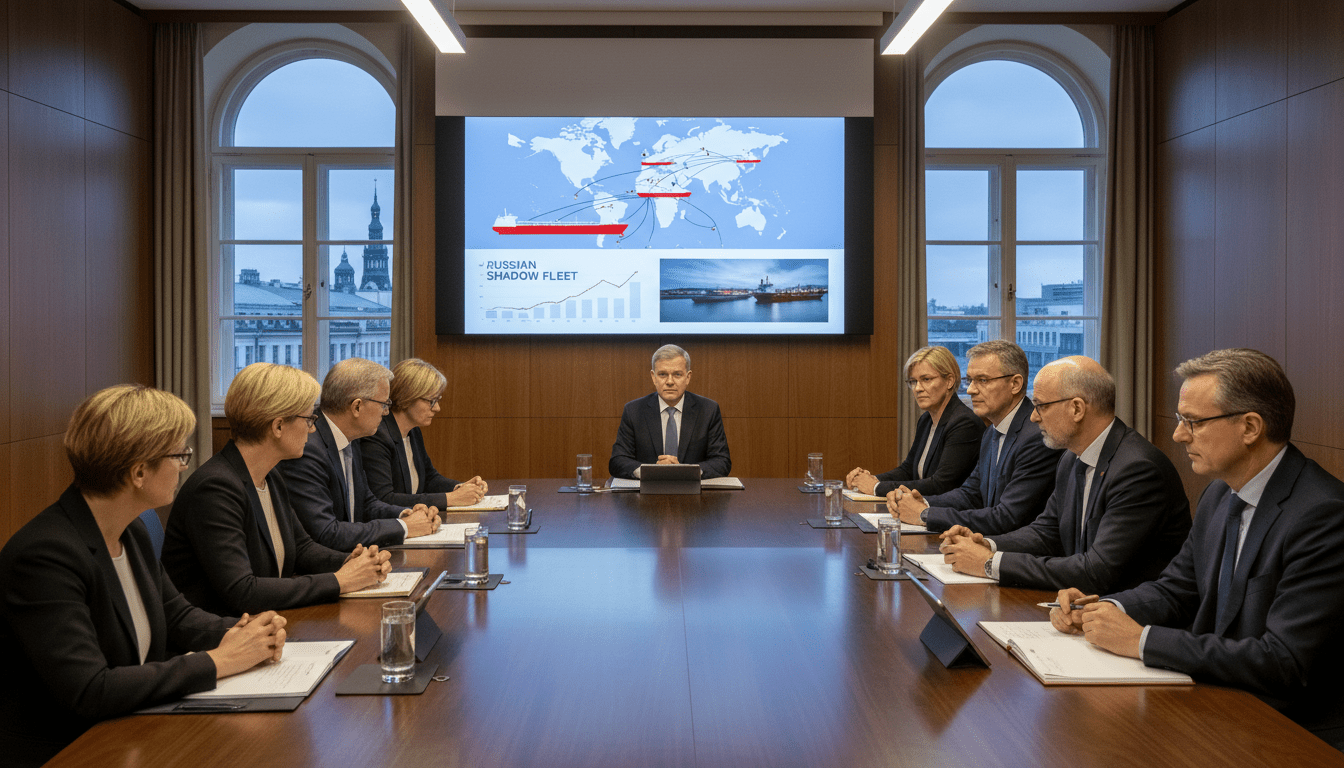
The federal National Security Council has decided to pursue a tougher approach to the Russian shadow fleet, officials said, linking the move to concerns about energy supply and sanctions evasion. The decision signals a shift toward more assertive maritime enforcement as Berlin seeks to close loopholes that allow sanctioned cargoes to reach global markets. Government sources described the action as part of a broader effort to safeguard Germany’s energy security and uphold international sanctions.
National Security Council approves enhanced maritime measures
The National Security Council met and agreed to strengthen measures aimed at vessels and networks that obscure ownership and cargo movements. Officials framed the decision as necessary to prevent circumvention of export controls and to reduce risks to national energy resilience. The council instructed ministries to coordinate enforcement and to prepare operational steps for implementation.
How the Russian shadow fleet operates
The so‑called Russian shadow fleet comprises vessels and intermediaries that adopt changing flags, opaque ownership structures, and irregular reporting to hide cargo origins. Ship‑to‑ship transfers, falsified documentation and the use of shell companies are common tactics that complicate tracking and sanctioning. These practices can make it difficult for authorities to distinguish lawful trade from shipments intended to evade restrictions.
Energy supply risks influenced the decision
Ministers and advisers cited the risk that shadow‑fleet activities could undermine controls on energy deliveries and disrupt market stability. Germany’s reliance on secure energy channels means that any scheme allowing sanctioned oil or gas to be rerouted through opaque maritime networks is treated as a strategic vulnerability. The council emphasized that tightening maritime oversight is part of protecting consumer supply and preventing destabilizing flows into international markets.
Measures under consideration to curb evasion
Officials said the measures under discussion will target the enablers of shadow‑fleet operations rather than seagoing crews alone. Possible steps include closer scrutiny of ship registration changes, enhanced port inspection regimes, tighter conditions on maritime insurance and classification services, and new reporting requirements for vessel movements. Authorities also signaled intent to step up information sharing with EU and allied partners to improve detection and interdiction.
Legal and operational hurdles remain
Experts warn that enforcing restrictions against complex shipping networks will pose legal and operational challenges. Proving illicit intent and establishing beneficial ownership across multiple jurisdictions can be time‑consuming and resource intensive. Enforcement will likely require coordinated action by customs, coast guard and regulatory agencies as well as diplomatic engagement with flag states that register implicated vessels.
Industry and international partners weigh in
Shipping companies and maritime insurers have urged clarity and predictability to avoid unintended disruption to legitimate trade, while industry groups support stronger action against clearly unlawful activity. Diplomats in Berlin said coordination with European partners and major trading states will be essential to create effective, enforceable measures. Observers expect Brussels and other capitals to be consulted to harmonize responses and close gaps exploited by shadow fleets.
Implementation steps and expected oversight
The council directed federal ministries to draft concrete proposals and to brief senior officials on enforcement options in the coming weeks. Implementation is likely to combine regulatory measures, targeted sanctions on intermediaries and stepped‑up inspections at key ports. Parliamentary or administrative steps may follow depending on the legal tools deemed necessary to sustain long‑term oversight.
The government’s decision marks a notable escalation in efforts to counter maritime sanction evasion and to bolster protections for Germany’s energy supply, reflecting growing concern that opaque shipping practices can undermine both policy and market stability.
