
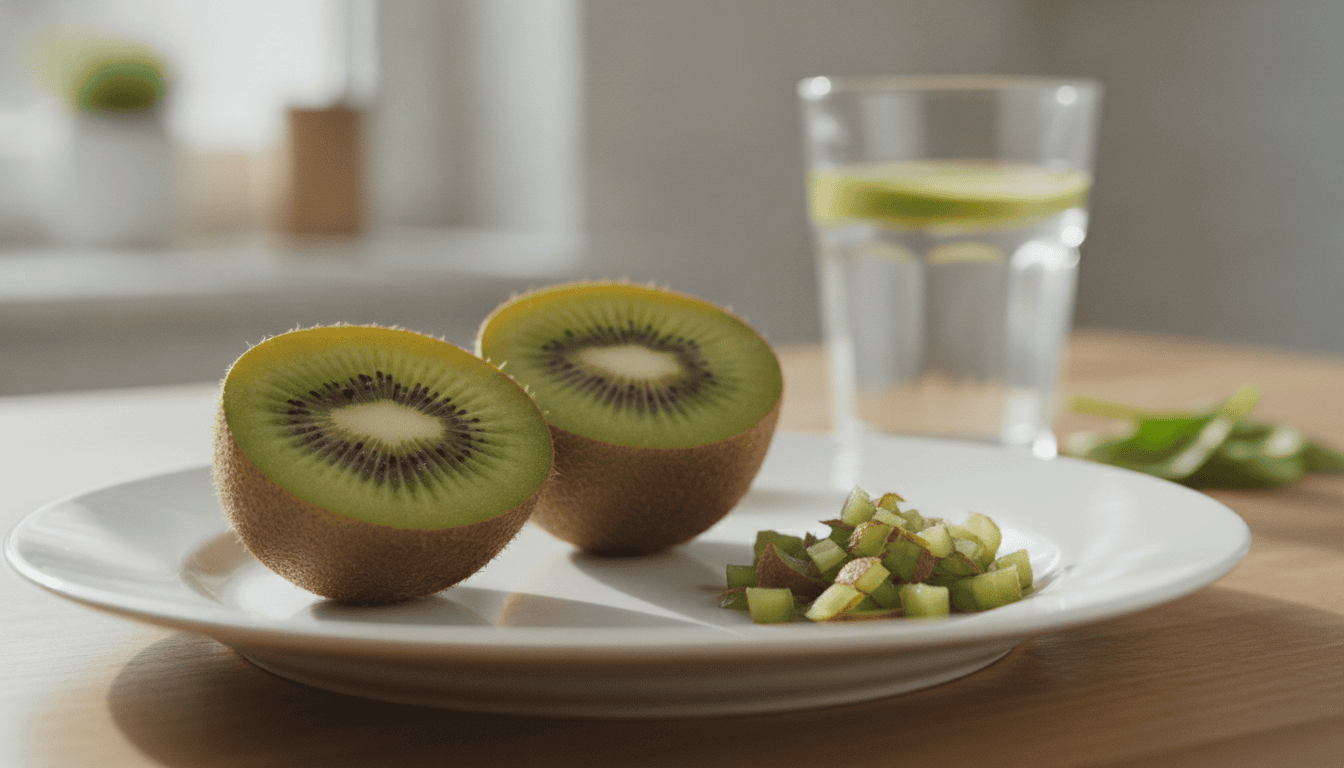
Eating Kiwi Skin Boosts Nutrients but Carries Allergy and Oxalate Risks
Eating kiwi skin adds extra vitamin C, E, fiber and minerals that aid immunity, iron absorption and digestion, but can cause allergy or oxalate issues for some.
Kiwis’ Skin Concentrates Antioxidants and Immune-Boosting Nutrients
Eating kiwi skin increases intake of antioxidants, including vitamin C and vitamin E, which help protect cells from oxidative damage. Nutrition profiles show these compounds are present in both the flesh and the peel, making whole-fruit consumption a more nutrient-dense option. For consumers seeking to strengthen immune response, the skin can deliver measurable increases in these vitamins.
Vitamin C in the peel also has practical benefits beyond antioxidant activity. It enhances the absorption of non-heme iron from plant-based sources, which can be important for people at risk of iron deficiency. Adding whole kiwifruit to iron-rich breakfasts can be a straightforward dietary strategy to improve iron status.
Trial Shows Kiwis Can Improve Iron Levels When Paired with Fortified Cereal
A controlled 2018 trial found that participants with low iron who ate two kiwifruits alongside iron-fortified cereal daily for 16 weeks saw significant improvements in iron markers. By the end of the intervention, many participants’ iron measures had returned to normal ranges. The study suggests that the vitamin C boost from kiwifruit can support iron repletion when combined with fortified or iron-rich foods.
The trial’s results are relevant for people following vegetarian or plant-heavy diets, where non-heme iron predominates. Nutritionists often recommend combining vitamin C sources with plant iron to enhance uptake, and whole kiwifruit can serve both roles simultaneously.
Potassium and Magnesium in the Peel Support Blood-Pressure Control
Both the flesh and the skin of kiwi contain potassium, an electrolyte that helps counterbalance sodium and supports healthy blood pressure. Magnesium, also found in the peel, contributes to vascular relaxation and normal blood flow. Including whole kiwis in a balanced diet can therefore add small but meaningful amounts of minerals associated with cardiovascular health.
These nutrients are not a substitute for medical treatment, but they complement broader dietary patterns shown to benefit blood-pressure control. Clinicians advise patients to focus on overall diet quality, of which whole fruits like kiwi can be a part.
Fiber from the Skin Enhances Digestion and Gut Health
Kiwi skin is a concentrated source of dietary fiber, and adding the peel can raise total fiber intake significantly—studies have reported large percentage increases in some varieties. This additional fiber supports regular bowel movements and can improve stool consistency for people with mild constipation. When fiber reaches the colon, it is fermented by gut bacteria into short-chain fatty acids, compounds linked to colon health and reduced risk of certain colorectal conditions.
Soluble fiber in kiwi also helps manage cholesterol and blood sugar by slowing digestion. For people aiming to improve metabolic markers, consuming the whole fruit provides both soluble and insoluble fibers that work through complementary mechanisms.
Allergy, Actinidin, and Oxalate Considerations for Vulnerable Individuals
Eating kiwi skin is safe for many people, but certain groups should exercise caution. Kiwi contains actinidin, a proteolytic enzyme that can cause tingling or mild burning in the mouth for sensitive individuals. People with oral allergy syndrome or known pollen-related sensitivities may experience itching, swelling, or throat discomfort after eating raw kiwi, particularly with the peel intact.
Those with latex allergies can also react to proteins in kiwi that cross-react with latex antigens. Additionally, kiwi skin contains calcium oxalate crystals; people prone to kidney stones or with conditions aggravated by oxalates should consult a healthcare professional before increasing intake. These risks underscore the importance of individual assessment when adopting whole-fruit consumption.
Practical Advice: Selection, Cleaning and Ways to Eat the Peel
For consumers who want to try eating kiwi skin, choosing gold kiwi or hardy kiwi varieties can reduce textural complaints because their peels are thinner and less fuzzy. Ripening at room temperature in a paper bag for two to three days produces softer fruit, and ripe kiwis store best refrigerated at about 0–2 degrees Celsius to prolong freshness. To remove dirt and residual fuzz, wash fruit under cool running water and use a produce brush or clean towel to rub the surface; drying before eating improves mouthfeel.
If the texture of the peel remains unappealing, blending whole kiwis into smoothies incorporates the nutrients without the chewing experience. Those preparing fruit salads or snacks can slice or dice whole fruit, and pairing with iron-rich foods maximizes the absorption benefits of the fruit’s vitamin C.
Balancing Benefits and Cautions When Considering Whole Kiwifruit
Nutrition evidence supports that eating kiwi skin increases intake of vitamins, minerals and fiber that can benefit immunity, iron status, digestion and cardiovascular risk factors. At the same time, the peel introduces specific allergenic and oxalate-related risks that mean it is not appropriate for everyone. Individuals with known allergies, severe acid sensitivity, or a history of oxalate kidney stones should seek personalized medical or dietetic advice before adding the peel to their regular diet.
