
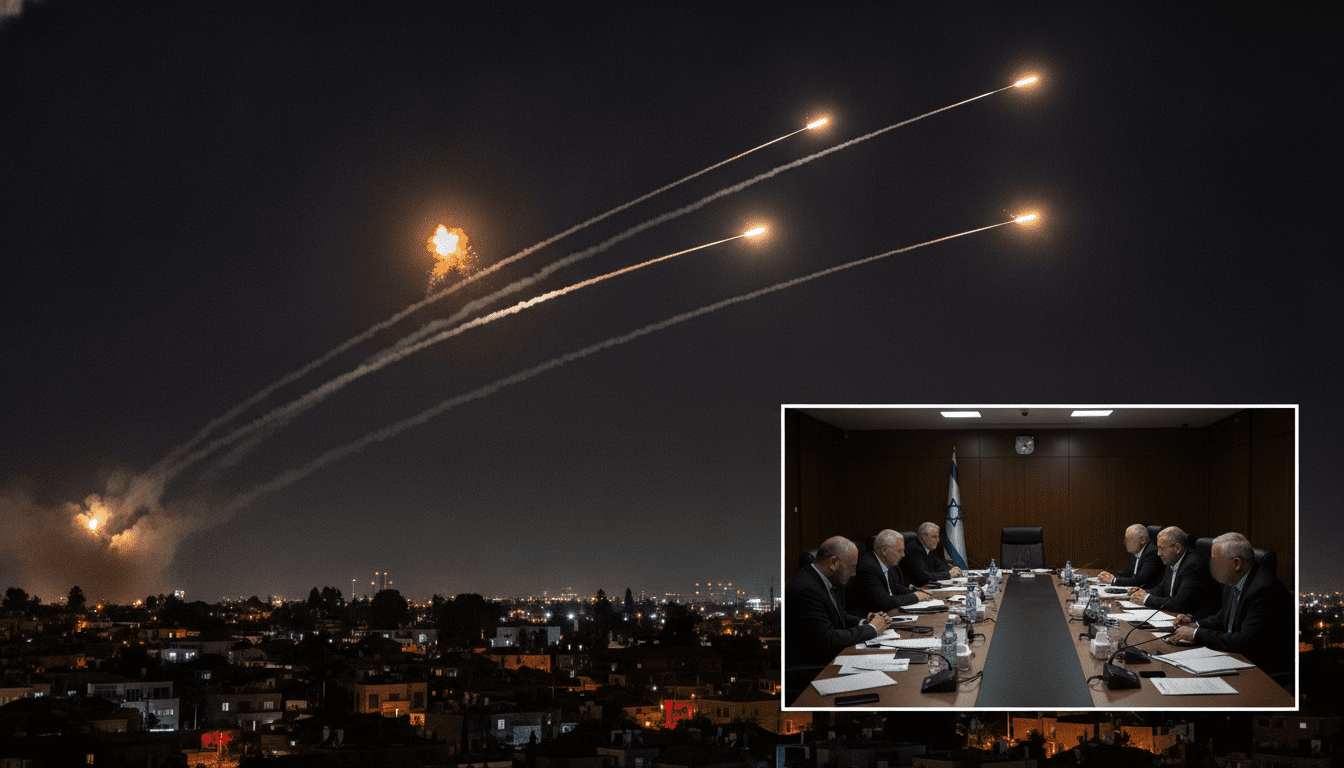
Israeli Forces Intercept Iranian Missiles Over Southern Israel; Debris Reported Near Beit Shemesh
Israeli defences intercepted Iranian missiles over southern Israel on June 8, 2026, with reports of debris near Beit Shemesh and Beersheba as emergency crews were dispatched.
Missile Interceptions Reported Across Southern Israel
Israeli media reported multiple interception operations against incoming Iranian missiles over southern Israel on June 8, 2026. Coverage said interceptions were recorded in the skies above the Dead Sea and the regions around Dimona and Beersheba, where air-defence systems engaged the projectiles.
Channel 12 and other local outlets cited early-warning and air-defence activity, but there was no immediate detailed public accounting from the Israeli military in the first hours after the reported strikes. The pattern of reported intercepts indicated use of layered defence assets to protect populated and strategic sites.
Debris and Shrapnel Fell Near Beit Shemesh and the Negev
Emergency services were dispatched to multiple locations after reports of rocket and shrapnel debris falling near Beit Shemesh, west of Jerusalem, and across the Negev near Beersheba. Civil defence teams assessed impact areas and checked for casualties and damage, according to media accounts.
Initial reports from local broadcasters described scattered debris rather than large-scale impact zones, and there were no immediate confirmations of serious injuries. Authorities were conducting searches and securing affected sites to prevent secondary hazards from unexploded fragments.
Security Cabinet Scheduled to Meet on June 9, 2026
Israeli Army Radio reported that the country’s Security Cabinet was expected to convene on Tuesday morning, June 9, 2026, to review the latest security developments. The planned meeting underscores the government’s intent to coordinate military, intelligence and civil-defence responses at the highest level.
Officials are likely to assess the origin and trajectory of the missiles, evaluate any damage sustained, and determine potential political and military options. The convening of the Security Cabinet follows established practice when cross-border strikes and major regional escalations occur.
Incident Near Itamar in the Northern West Bank
Broadcasters also reported a separate incident in the northern occupied West Bank, where a rocket fell near the Itamar settlement. There were no immediate reports of injuries or structural damage in that locality.
Authorities in the West Bank notified security and municipal teams to investigate the site and to coordinate with military units responsible for the area. The occurrence was described as part of the wave of projectiles reported across multiple fronts on June 8, 2026.
Civil Defence and Emergency Crews Activated Across Affected Areas
Civil defence and emergency responders were mobilised to inspect impact sites, treat any casualties, and clear debris in affected communities. Local municipalities activated emergency protocols to provide shelter, medical care and public guidance where necessary.
Teams focused on rapid assessment of hazards such as unexploded ordnance and shrapnel, while also establishing temporary perimeters to protect civilians and preserve evidence for later forensic investigation. Officials urged residents in impacted zones to follow guidance from civil defence authorities.
Regional Tensions and Potential Implications
The reported interceptions of Iranian missiles over Israeli territory on June 8, 2026, add to a pattern of heightened tensions between Tehran and Jerusalem, with potential implications for wider regional security. Analysts cautioned that such exchanges could lead to further retaliatory moves or changes in diplomatic alignments depending on subsequent confirmations and responses.
International reactions in the immediate aftermath were still forming, and diplomatic channels are typically activated rapidly after cross-border strikes of this scale. The coming hours and the Security Cabinet meeting on June 9 will be closely watched for indications of Israel’s tactical and strategic response.
Israeli media accounts emphasised the effectiveness of air-defence systems in intercepting incoming missiles, while emergency services continued to work at ground level to secure affected areas and assist civilians.
