
Gianni Infantino Faces U.S. Ticketing Inquiries as FIFA Defends 2026 Strategy
Gianni Infantino confronts investigations by New York and New Jersey over 2026 World Cup ticketing as FIFA pushes expansion and ambitious revenue pledges.
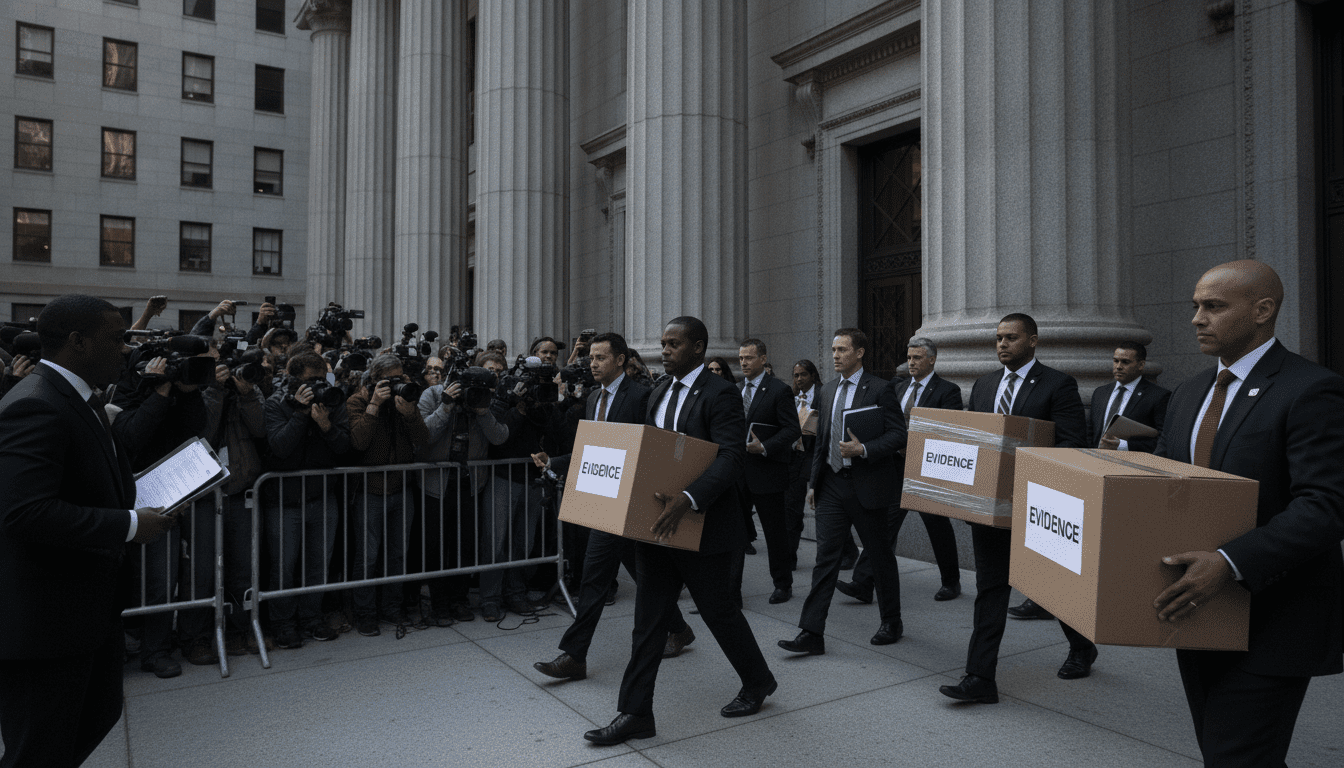
Gianni Infantino, president of FIFA, is under renewed scrutiny after state prosecutors in New York and New Jersey opened inquiries into ticket distribution for the 2026 World Cup. The probes focus on whether tickets were deliberately limited to inflate resale prices and whether consumers received tickets different from those they purchased. FIFA’s growing role in directly managing the tournament and its high-profile political and commercial partnerships have amplified scrutiny of the organization’s governance and promises.
New York and New Jersey Open Ticketing Inquiries
State attorneys general in New York and New Jersey have asked consumers who bought World Cup tickets but never received them to file complaints, citing potential consumer fraud. Investigators are examining allegations that ticket supplies may have been artificially constrained to benefit secondary markets and whether purchasers were misled about seat assignments. The inquiries are part of a broader review of FIFA’s handling of the 2026 event as the federation replaces national organizing committees with central management.
A Decade After Blatter: Infantino’s Promise to Return Money
Infantino’s ascent to the presidency in 2016 came amid a global backlash against FIFA after the Sepp Blatter era, and he campaigned on a pledge to give more revenues back to member associations. That promise helped secure his election as delegates sought a break with past leadership. Over the ensuing decade, critics say that centralization of power and a focus on big revenue deals have sometimes contradicted the transparency and accountability Infantino initially promised.
FIFA’s Direct Control of the 2026 World Cup
For 2026, FIFA took the unprecedented step of managing the tournament directly across Canada, Mexico and the United States rather than delegating primary responsibility to local organizing committees. FIFA argues direct control is designed to ensure consistency across venues and maximize commercial returns. But the move has also concentrated decision-making in Zurich and intensified oversight questions, as shown by the ticketing investigations and subsequent legal attention in U.S. jurisdictions.
Political Ties and High-Profile Encounters
Infantino’s tenure has been marked by regular meetings with global leaders and political figures, from state visits in Washington to appearances alongside influential hosts at past World Cups. Those encounters have at times blurred lines between sport and state, prompting criticism about the federation’s independence and its willingness to court powerful patrons. Observers note that such proximity to political leaders has reinforced the perception that FIFA’s agenda increasingly prioritizes commercial and diplomatic alignments.
Financial Promises: Revenue and Redistribution
At a recent FIFA congress, Infantino presented projections that underpin his argument for expanded competitions and bigger commercial partnerships, including multi-billion dollar revenue forecasts for the next cycle. He pledged higher disbursements to national federations, saying the share going to members would increase substantially. Parallel to those commitments, FIFA has secured new sponsorship relationships, including significant investments from state-backed funds, a development that both strengthens the federation’s balance sheet and raises fresh governance questions.
Expansion Plans and Long-Term Risks
The 2026 tournament will be the first men’s World Cup played with 48 teams, and FIFA has floated the idea of further expansion to 64 participants in future cycles. While expansion broadens global inclusion and commercial upside, it also multiplies logistical challenges and strains planning timelines for hosts and partners. Ambitious long-term projects tied to future events — notably in countries that have promised major infrastructure transformations — carry execution risks that could undermine Infantino’s vow of ever-growing returns if timelines or investments falter.
The unfolding investigations in the United States place immediate pressure on FIFA to demonstrate robust consumer protections and transparent ticketing practices while also testing the federation’s broader governance model. How state authorities proceed, and how FIFA responds, will shape public confidence in the 2026 World Cup and influence debates over the federation’s direction as it pursues large-scale expansion and lucrative commercial ties.
