
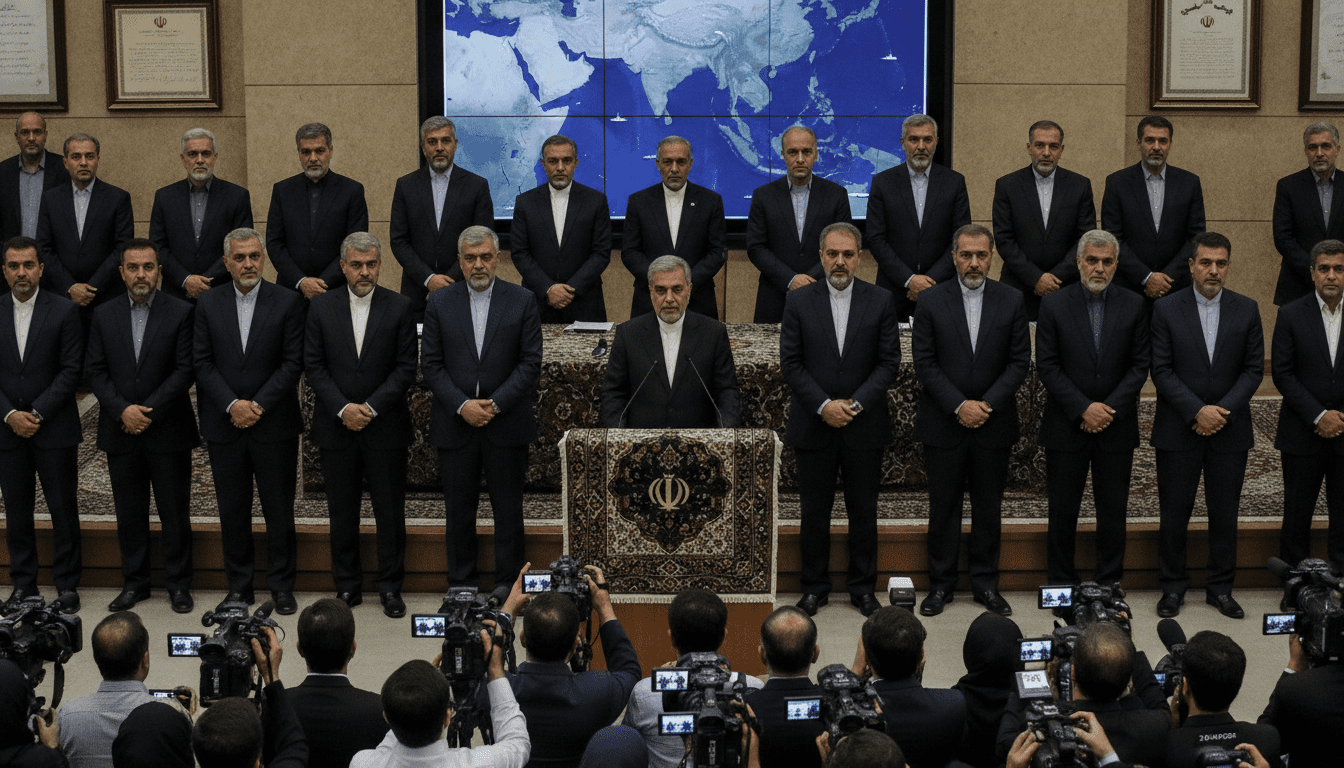
Iran-US clashes in the Gulf: Tehran says overnight confrontation demonstrates “strength and power”
Iran-US clashes in the Gulf escalate as Tehran’s foreign ministry praises overnight confrontation, warning of forceful responses amid rising regional tensions.
Opening account of the overnight clash
In an overnight incident in the Gulf on June 10, 2026, Iran and US forces engaged in clashes that Tehran’s Foreign Ministry described as a demonstration of its readiness to respond “with strength and power.” The phrase “Iran-US clashes in the Gulf” reflects both the parties involved and the maritime setting where the confrontation occurred. Iranian officials framed the incident as a justified countermeasure against what they called hostile actions by Washington.
Iran’s Foreign Ministry statement
A spokesperson for Iran’s Foreign Ministry issued a public comment characterizing the exchange as a clear signal of Tehran’s deterrent posture. The statement said Iran would meet perceived threats with forceful responses, underscoring the government’s long-standing rhetoric on defending its interests in regional waters. Iranian officials positioned the incident as consistent with their recent pattern of messaging about security and sovereignty in the Gulf.
Timeline and reported location
Reports indicate the clashes took place overnight local time in the Gulf region, with the published account dated June 10, 2026. Specific tactical details in the initial Iranian statement were limited, and the precise sequence of actions and the units involved were not publicly disclosed by Tehran in full. The lack of granular confirmation in the statement leaves key operational questions about the encounter unresolved at this stage.
Washington’s public posture
Iran’s comment highlighted Tehran’s view of the confrontation but did not include a direct public reply from US officials within the same communiqué. US statements or operational assessments were not included in the Iranian release, and Washington’s official response in the immediate aftermath was not detailed in the material supplied by Tehran. The absence of a contemporaneous, detailed US account in the Iranian statement complicates independent assessment of the tactical dynamics of the clash.
Regional security and commercial implications
Clashes of this kind raise immediate concerns about the safety of commercial shipping and energy supplies that transit the Gulf. Merchant vessels, energy infrastructure and insurance costs are sensitive to even isolated confrontations in these waters, where global oil and gas flows remain concentrated. Regional governments and commercial operators typically monitor such incidents closely, and any sustained escalation could translate into higher volatility in freight routes and markets.
Diplomatic and strategic repercussions
The Iranian framing of the incident as a demonstration of “strength and power” signals a continued emphasis on deterrence and coercive signaling as instruments of Tehran’s foreign policy. For Washington and allied governments, interpreting and calibrating responses to such messaging is a central diplomatic challenge. The episode is likely to factor into broader strategic calculations by regional states, including how they manage relationships with both Iran and the United States amid competing security concerns.
Potential pathways for de-escalation
Diplomatic channels, multilateral monitoring and confidence-building measures remain the primary tools for preventing a single maritime clash from spiraling into wider confrontation. International partners, shipping organizations and coastal states routinely call for restraint and clarification after incidents in the Gulf to reduce the risk of miscalculation. Tracking statements from relevant capitals and international bodies in the coming days will be key to assessing whether the incident prompts wider diplomatic engagement.
The overnight Iran-US clashes in the Gulf on June 10 underscore the fragile balance in a strategically vital maritime corridor, with Tehran’s foreign ministry publicizing the exchange as evidence of its willingness to respond robustly; further public statements and independent reporting will be necessary to clarify the full scope and consequences of the confrontation.
