
FIS presidency at a crossroads as Johan Eliasch faces contested vote in Belgrade
FIS presidency in crisis as incumbent Johan Eliasch faces a contested vote in Belgrade amid financial disputes, resignations, and calls for transparency.
The FIS presidency is on the line as delegates gather in Belgrade on June 11, 2026, for a contested election that pits incumbent Johan Eliasch against challenger Alexander Ospelt. Eliasch, who has led the International Ski Federation since 2021, seeks re-election amid mounting criticism over governance, finances and broken promises. National federations, athletes and senior officials have voiced deep concerns, turning what was expected to be a routine vote into a high-stakes decision for the future direction of world skiing.
Incumbent Eliasch seeks second term despite backlash
Johan Eliasch is campaigning to retain the presidency he first won in 2021, arguing for continuity in his efforts to globalize and modernize the sport. His tenure has been marked by ambitious promises—centralized marketing, climate initiatives and broader global reach—that critics say remain largely unfulfilled. Support within the traditional alpine nations has frayed, and several federations have signaled unease over his leadership style and priorities.
Allegations of a steep financial slide under Eliasch
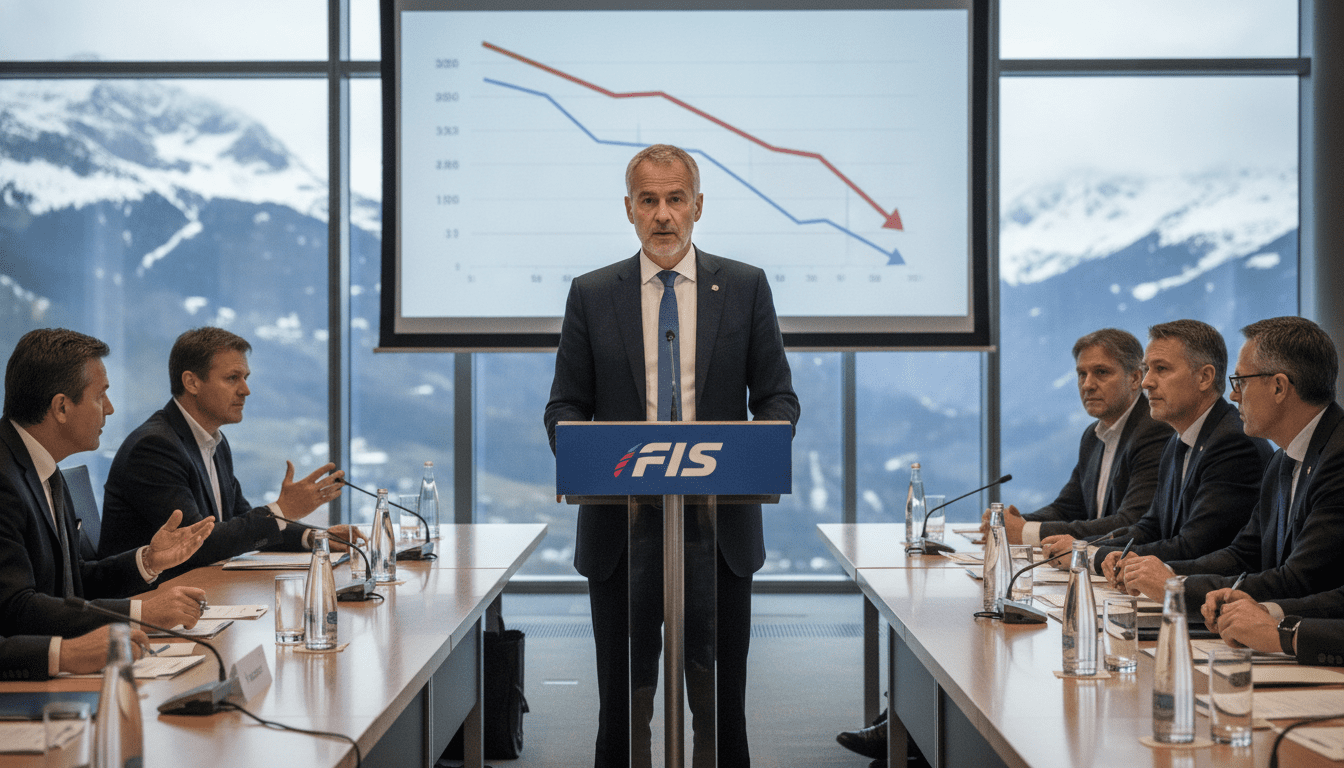
Senior athlete representatives and federation officials say FIS reserves have fallen sharply during Eliasch’s term, with claims that the federation’s net assets declined from roughly 130 million to about 43 million Swiss francs. Opponents argue that revenue plans tied to centralized commercialization did not materialize as projected, leaving a funding shortfall and prompting blunt questions about fiscal stewardship. Eliasch’s supporters counter that restructuring costs and strategic investments account for the change, but few independent reconciliations have been publicly disclosed.
Alexander Ospelt runs on transparency and dialogue
Alexander Ospelt, the former president of Liechtenstein’s ski association, is the principal challenger and centers his campaign on rebuilding trust. Running under the slogan “Bridges build bridges,” Ospelt has emphasized open communication with national federations, direct engagement with athletes and clearer financial reporting. His platform also addresses pressing issues like athlete safety and environmental impacts on snow sports, aiming to repair relationships frayed under the current administration.
Georgian nomination and nationality switch draw scrutiny
Facing dwindling backing from his home-nation federations, Eliasch is standing for election as the nominee of Georgia after acquiring Georgian citizenship in April. FIS regulations require a candidate to present a valid passport from the nominating country, a procedural detail that Eliasch fulfilled but which critics view as a sign of lost domestic support. The move has intensified debate about national representation in international sports governance and raised questions about the balance between procedural compliance and the spirit of federation endorsement.
Leadership fallout includes high-profile resignations
The electoral fight has unfolded alongside a significant exodus of senior personnel, most notably the resignation of FIS chief executive Urs Lehmann. Lehmann’s departure—after joining the federation in 2025—was framed by some insiders as the culmination of repeated disagreements over strategy and financial oversight. Federation leaders and athlete representatives have described the exit as a serious blow to institutional stability and a symptom of deeper governance problems.
The ripple effects extend beyond personnel changes, with top athletes and national officials publicly criticizing the administration’s record. Figures from major skiing nations have accused the current leadership of overpromising initiatives and underdelivering on substance, while some have called for an immediate reset in priorities to safeguard athlete interests and the sport’s long-term viability.
The vote in Belgrade will test whether delegates prioritize continuity or change, and whether governance reforms can be implemented swiftly enough to restore confidence. Both camps have portrayed the outcome as pivotal for the federation’s credibility and financial health.
The outcome of the June 11 vote will shape policy on commercialization, climate strategy and athlete safety for years to come, and it will determine whether the FIS can close a chapter that many within the sport describe as turbulent. Stakeholders across the skiing world will watch the result closely for clues about the federation’s ability to rebuild trust and stabilize its finances.
