
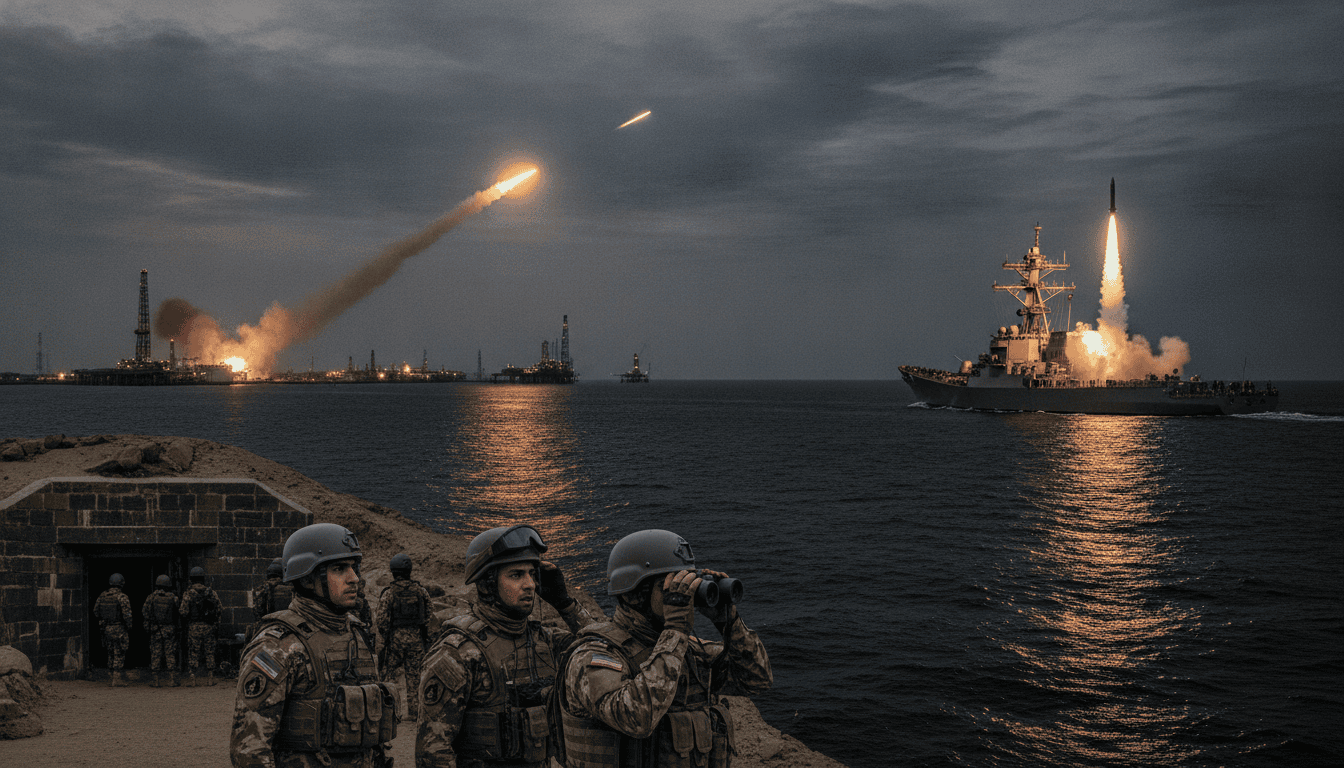
Iran-US strikes escalate as Iran targets regional radars and US hits dozens of military sites
Iran-US strikes escalate as Tehran hits radars and military sites across Gulf states while the US strikes dozens of Iranian targets; Bushehr plant said safe.
Iran and the United States traded a new round of strikes overnight and into Monday, in an exchange that saw Tehran target regional military infrastructure while Washington said it struck dozens of Iranian capabilities with precision munitions. The Iran-US strikes have focused on radars, air-defence systems and coastal assets across the Gulf and Levant, underscoring heightened risk to maritime traffic in the Strait of Hormuz. Iranian officials warned that continued US actions in the waterway could spark larger incidents affecting the oil and gas sector, while Iranian state media reported civilian casualties from strikes inside Iran.
Scope of Iranian strikes across four countries
Iran announced strikes that, according to regional reports, struck military infrastructure and radar installations in Oman, Bahrain, Kuwait and Jordan. Officials described the operations as aimed at degrading monitoring and defensive systems used against Iranian activities in the region. The strikes unfolded in the early hours and targeted sites that Iran said were linked to what it calls persistent US-led interference in Gulf waters. Multiple governments in the region reported damage to coastal radar and other military facilities, heightening tensions among Gulf states already on heightened alert.
US Central Command describes its strikes
US Central Command said its forces used precision munitions to strike military air-defence systems, small boats, coastal radar sites and missile and drone capabilities attributed to Iran. In a statement, the command emphasized the strategic importance of keeping the Strait of Hormuz open to international trade and said that Iran does not control the corridor. The US described the operation as defensive and targeted, aimed at degrading capabilities that have threatened commercial and military vessels. Officials noted that the strikes were measured, but signaled readiness to act again if threats to maritime traffic persist.
Casualties and damage reported inside Iran
Iranian state media reported that a US attack on an agricultural water pumping station in the city of Mahshahr killed one person and injured four others. Tehran denounced the strike as an attack on civilian infrastructure, and the report added to domestic alarm over the widening confrontation. Authorities are continuing damage assessments and have warned of further retaliatory steps if strikes inside Iran continue. Independent verification of casualties is limited amid the fog of conflict, and international observers have called for restraint to prevent a wider conflagration.
Bushehr nuclear plant declared safe
The Atomic Energy Organization of Iran issued a statement saying the Bushehr nuclear power plant remains safe and stable after social media claims that it had been targeted. The AEOI sought to allay fears of any radiological release or damage to critical systems and said plant operations were under control. International nuclear monitors have not reported any confirmed damage to nuclear facilities, and the AEOI statement appeared intended to prevent panic and reassure both domestic and regional audiences. Experts warn, however, that any escalation near nuclear infrastructure would raise the stakes considerably.
Iran warns of impact on oil and gas sector
Tehran warned that continued US interference in the Strait of Hormuz could precipitate “larger incidents” affecting the global oil and gas industry, a claim that underscores the economic stakes of the confrontation. The Strait of Hormuz is a critical chokepoint for global energy shipments, and disruptions there could drive spikes in oil prices and insurance costs for shipping. Iranian rhetoric framed the strikes as defensive measures against what it calls persistent outside aggression in regional waters. International energy markets and maritime insurers will be closely watching developments for signs of sustained disruption.
Diplomatic and economic ripples beyond the Gulf
In an unrelated diplomatic development, Syria is set to host a business forum with US participation focused on economic recovery, reforms and investment, a move described by some as a step toward restoring economic ties after decades of sanctions. The juxtaposition of military escalation in the Gulf with tentative economic engagement in Syria highlights the region’s complex mix of conflict and commerce. Analysts say that while military exchanges may dominate headlines, parallel diplomatic and commercial initiatives will influence longer-term regional alignments. Investors and governments will weigh security risks against opportunities for reconstruction and trade as both tensions and openings emerge.
The latest round of Iran-US strikes reflects a dangerous intensification of hostilities that threatens maritime security and regional stability. With both sides signaling capability and willingness to act, international calls for de-escalation are likely to grow, but so too will the risk that further incidents, deliberate or accidental, could rapidly expand the confrontation.
