
Top Hydrating Foods to Boost Daily Fluid Intake: Vegetables, Fruits and Plant Proteins
Top hydrating foods that supply water and key nutrients, plus nutrition highlights and simple tips to include them in daily meals.
Guide identifies the highest-water produce
A consumer nutrition guide highlights which foods deliver the most water per serving and can meaningfully contribute to daily hydration. Hydrating foods such as cucumber, zucchini and watermelon provide large volumes of water while adding vitamins, minerals and antioxidants to the diet. The guide emphasizes whole fruits and vegetables as convenient sources of fluid that also carry fiber and micronutrients lacking in plain beverages.
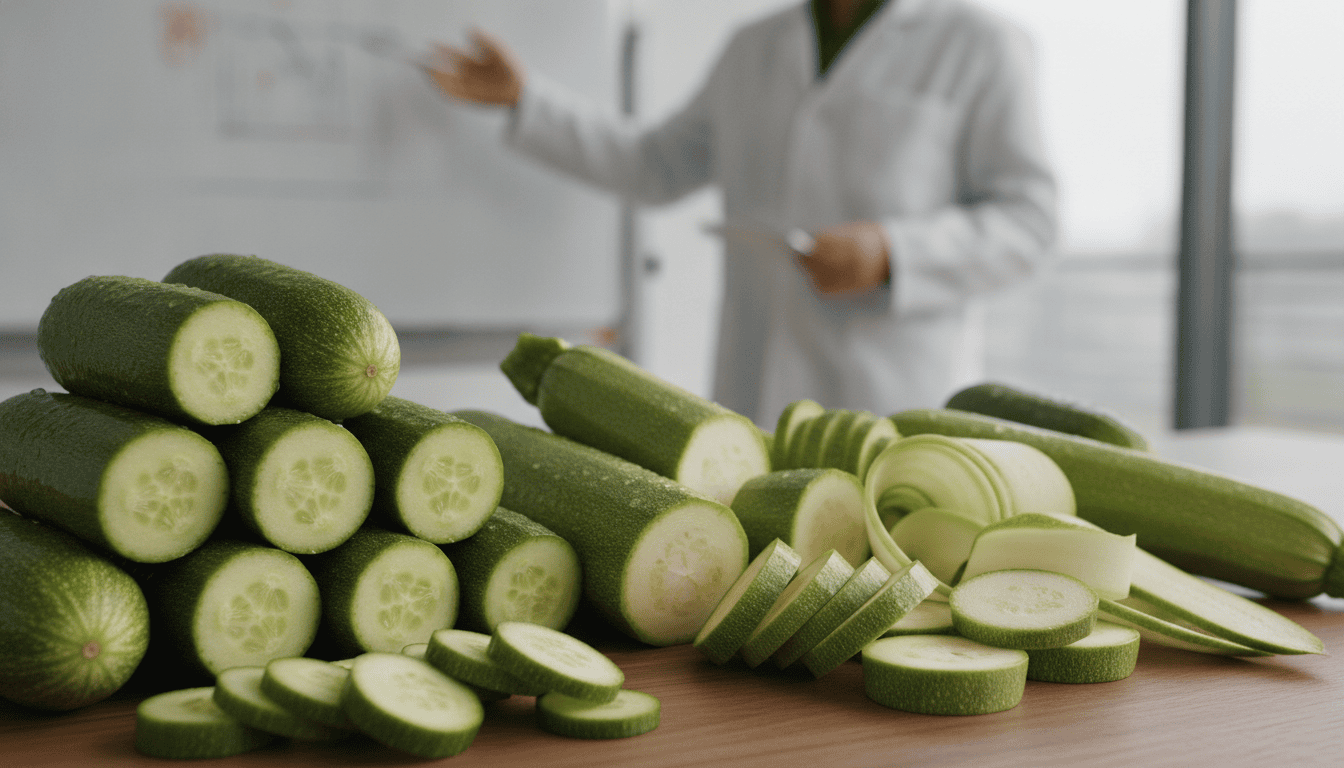
Many of the top items are common summer staples that combine low calories with high water content. A single medium cucumber, for example, supplies more than a cup of water and joins zucchini and celery at the top of the list. These vegetables are easy to incorporate into salads, snacks or chilled soups to boost fluid intake without added sugars.
Fruits that both hydrate and nourish
Several fruits stand out for their water content and nutrient density, with watermelon, cantaloupe and strawberries among the leaders. Watermelon provides roughly 90 percent water by weight and offers antioxidants and modest amounts of natural sugars, while cantaloupe supplies beta-carotene and nearly a full day’s recommended vitamin A in a cup. Strawberries deliver vitamin C and fiber in addition to their hydrating effect.
Citrus and tropical options also contribute meaningfully to hydration. Grapefruit and pineapple appear on the list for both water percentage and vitamin content, with grapefruit providing a strong dose of vitamin C per half fruit. Including a cup of fresh fruit with breakfast or as a snack adds both fluid and micronutrients without large calorie penalties.
Plant proteins and vegetables with surprising water
Some protein-rich plant foods and less obvious vegetables provide notable water content and functional benefits. Silken tofu is highlighted for its higher fluid proportion compared with firmer tofu varieties, making it a hydrating source of plant protein that can blend into smoothies or purees. Mushrooms also contain high water percentages while delivering B vitamins, potassium and plant-based protein.
Legumes such as black beans register lower water percentages on a dry-weight basis, but they absorb large amounts of liquid when soaked or cooked and thus can be more hydrating in prepared dishes. Incorporating cooked beans into stews, casseroles or salads increases overall meal fluid content and supplies fiber and minerals that support long-term health.
How hydrating foods fit into daily fluid targets
Public recommendations for daily fluid intake are commonly cited as approximately 3.7 liters for men and 2.7 liters for women, including fluids from both beverages and food. Because a significant portion of daily water intake can come from foods, choosing high-water fruits and vegetables helps people approach those targets without relying solely on drinks. Hydrating foods are especially useful during hot weather or when exercise raises fluid needs.
The body loses water continuously through breathing, perspiration and urine, and requirements increase with temperature and physical activity. Mixing hydrating foods with beverages is an effective strategy: for many people, a combination of water-rich produce, soups, and regular drinks offers steadier hydration than fluids alone.
Health benefits beyond hydration
Many of the foods on the list also provide nutrients that support bones, immunity and cardiovascular health. Leafy vegetables and cucumbers contribute vitamin K, which is important for bone metabolism and blood clotting. Fruits such as strawberries and grapefruit supply substantial vitamin C, an antioxidant that supports immune function and skin health. Cruciferous vegetables like cabbage contain phytochemicals linked in studies to reduced cancer risk.
Antioxidants found in tomatoes, berries and watermelon may protect cells from oxidative stress, while fiber in fruits and beans supports gut health and blood sugar regulation. Isoflavones in soy-based foods have been associated with long-term cardiovascular benefits when consumed as part of a balanced diet.
Practical ways to add more hydrating foods
Simple swaps can boost daily fluid intake without extra effort: replace one snack a day with a cup of berries or a sliced cucumber, add diced melon to morning yogurt, or blend silken tofu into a smoothie for a creamy, hydrating protein boost. Cold soups, vegetable-based salsas and fruit salads are portable options that deliver water and nutrients in a single serving. Cooking techniques matter too; steaming or poaching vegetables preserves water and some heat-sensitive vitamins better than long boils.
Meal planning that prioritizes raw and lightly cooked produce makes it easier to distribute hydration across the day. For people who exercise or spend time outdoors, including a fruit-based snack before or after activity can help replenish fluids and electrolytes without relying on sports drinks.
When to increase intake and how to monitor hydration
Fluid needs rise with vigorous exercise, high ambient temperature, fever, or gastrointestinal losses such as vomiting or diarrhea. In those circumstances, both beverages and hydrating foods should be increased, and attention paid to signs of inadequate hydration such as dark urine, dizziness or reduced urine frequency. For individuals with medical conditions affecting fluid balance, a healthcare professional should advise on tailored fluid targets.
Using hydrating foods as part of an overall hydration plan can make meeting daily fluid goals more attainable while improving nutrient quality. Regularly including a variety of high-water vegetables, fruits and plant proteins supports steady hydration and contributes vitamins, minerals and fiber to the diet.
