
Lebanon-Israel talks in Washington face Hezbollah opposition as Israeli strikes continue
Third round of Lebanon-Israel talks in Washington begins amid ongoing Israeli strikes, Hezbollah rejection, and questions over whether diplomacy can stabilize Lebanon after decades of conflict.
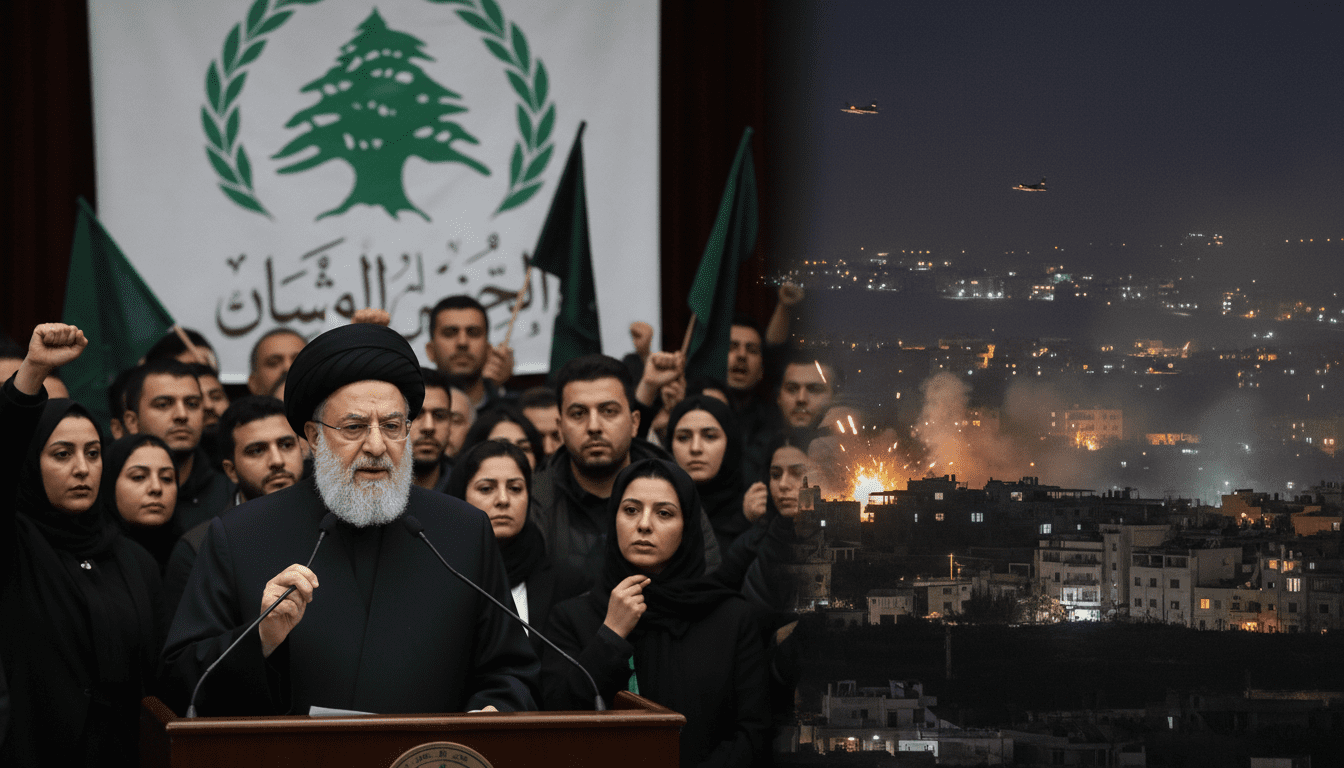
The third round of Lebanon-Israel talks in Washington opened on May 14, 2026, as Israeli strikes in southern Lebanon continued and Hezbollah publicly opposed the U.S.-hosted meeting. Lebanese and Israeli delegations convened in the U.S. capital seeking to manage cross-border violence and negotiate security arrangements, while political and military actors on the ground signaled deep reservations. The talks, brokered by Washington, aim to produce confidence-building measures but face immediate strain from fresh hostilities and regional mistrust.
Washington hosts third round of Lebanon-Israel talks
Diplomats from Beirut and Jerusalem met in a U.S. venue for the third consecutive session in a bid to translate fragile ceasefire dynamics into a more durable arrangement. Officials told negotiators that stabilizing the border and preventing further civilian casualties were priorities, even as each side entered with differing red lines and domestic pressures.
U.S. envoys emphasized practical steps such as deconfliction mechanisms, return-to-line proposals and humanitarian corridors, but detailed outcomes remained limited at the opening of the meeting. The talks are framed as incremental diplomacy rather than a comprehensive peace process.
Hezbollah publicly rejects the Washington meeting
Hezbollah announced its opposition to the talks, calling the Washington venue unacceptable and warning that any agreement without its consent would lack legitimacy on the Lebanese side. The group’s leaders argued that exclusion of major domestic armed actors would undercut the ability of any accords to hold in areas where Hezbollah exerts significant influence.
The rejection complicates Lebanese governance because Beirut’s official delegation must balance international engagement with internal political cohesion. Analysts say that sidelining powerful non-state actors risks producing agreements that are fragile or unenforceable on the ground.
Israeli strikes persist along the Lebanon border
Fighting continued in several southern Lebanese towns even as negotiators met, with Israelis reporting strikes aimed at neutralizing militant capabilities and Lebanese sources documenting civilian damage. Humanitarian agencies warned of growing displacement and mounting needs in areas caught between active operations and militia activity.
The persistence of strikes undermines trust-building and places negotiators under greater pressure to demonstrate rapid, tangible results. Military dynamics on the ground will be a central obstacle to any border management plan discussed in Washington.
Analysts outline diplomatic limits and possible pathways
Security and foreign affairs analysts in Beirut and Washington cautioned that the talks can produce procedural fixes but are unlikely to resolve deeper political grievances that have fueled repeated cycles of violence. Experts suggested that confidence-building steps — such as international monitoring, clearer rules of engagement, and staged disengagements — could reduce immediate risks if paired with credible enforcement mechanisms.
Former U.S. officials participating in advisory roles urged the inclusion of technical teams to convert political commitments into verifiable actions. Still, analysts noted that without buy-in from all influential Lebanese actors, including Hezbollah, implementation will be uneven.
Regional and international implications of the talks
Regional capitals have watched the Washington process closely, with several urging restraint and suggesting that external actors could either bolster or hinder progress depending on their level of engagement. Neighboring countries stressed the need for a stable Lebanon to prevent spillover, while global powers signaled willingness to support humanitarian relief and monitoring structures.
The U.S. framing of the talks as practical, limited negotiations reflects a broader international preference for risk-minimizing measures rather than attempts at sweeping settlement. That approach may make short-term cooperation more attainable, but it also leaves unresolved the political factors that drive recurrence of hostilities.
Challenges to implementation on the ground
Even if delegations in Washington agree on steps for de-escalation, translating those steps into action faces logistical and political hurdles. Local command-and-control structures, competing militias, and a patchwork of state institutions in Lebanon complicate unified implementation of any border management plan.
Humanitarian groups and municipal officials in affected areas have demanded immediate protection measures and access for relief, warning that protracted instability will deepen civilian suffering. International monitors, if deployed, will need clear mandates and safe access to be effective.
The Lebanon-Israel talks in Washington represent a cautious diplomatic effort to limit immediate violence and create mechanisms for calmer border management, but their success hinges on bridging gaps between official delegations and non-state actors who wield real power on the ground. Without broader Lebanese consensus and meaningful steps to halt strikes and secure civilian protections, any agreement risks remaining paper without practical effect.
