
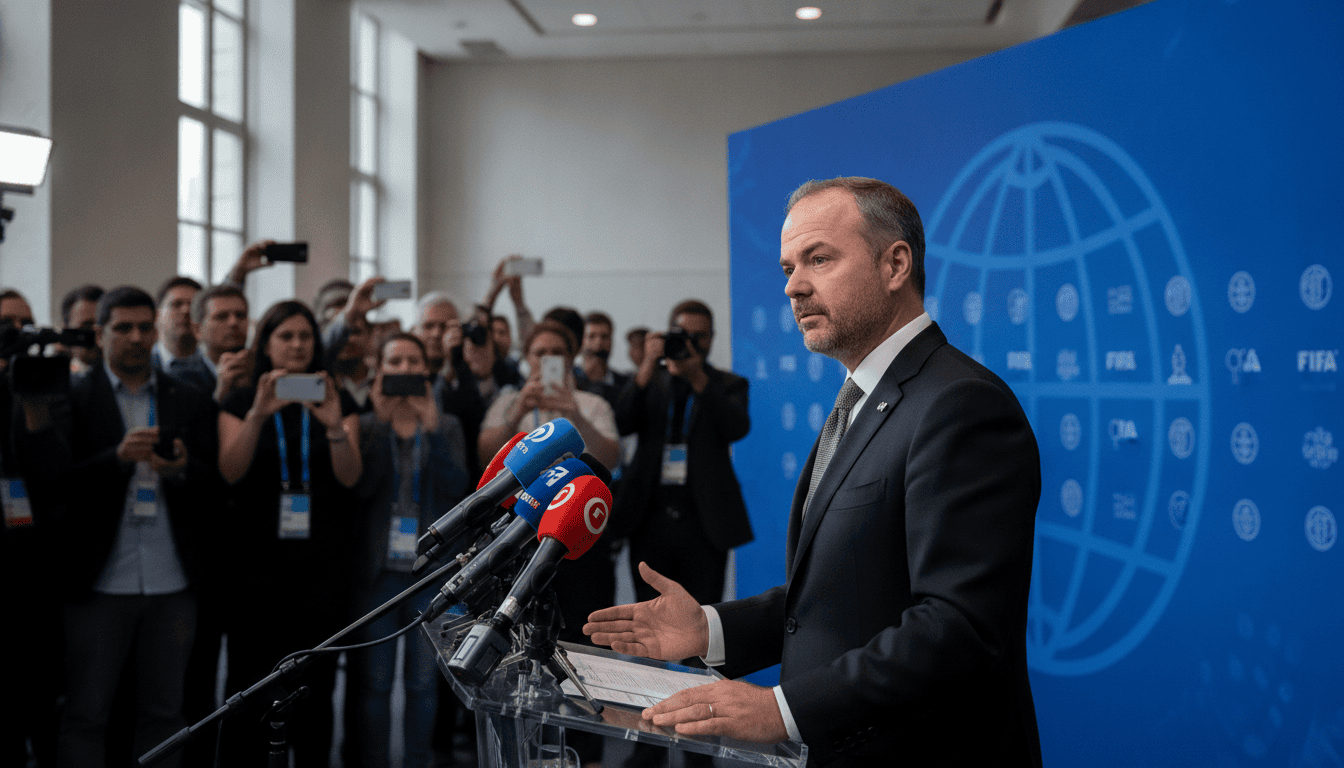
Infantino Defends FIFA World Cup Rights Plan After Global Outcry
Gianni Infantino defended plans to sell FIFA World Cup rights to private investors in a self-interview on the federation’s website, calling the proposal an “offer” and opening a consultation. The FIFA World Cup rights sale has prompted widespread criticism, and the president sought to frame the move as non-binding and consultative. His intervention came a day after what the organization described as intense public reaction to the proposal.
Infantino’s statement on the FIFA website
A video-format self-interview posted on FIFA’s official channels was the president’s first public response since the controversy erupted. In that appearance, Infantino repeatedly described the proposal as an “opportunity” rather than a contractual obligation, emphasizing that it would not immediately bind the organization to a specific course. He framed the next stage as a consultation process that, he said, would clarify details and address concerns.
Details of the proposed rights arrangement
According to the explanation offered by FIFA’s leadership, the idea under discussion involves private capital participating in the commercial rights model for the World Cup. The plan — as presented — would potentially allow investors to acquire stakes tied to future media, sponsorship and distribution revenues. Infantino and FIFA officials portrayed the structure as a way to secure long-term funding and spread financial risk across partners rather than concentrating revenue with one party.
Immediate international backlash
The announcement provoked a swift and broad backlash from media commentators, former officials and parts of the football community who questioned transparency and governance. Critics argued the proposal risked ceding strategic control over one of sport’s most valuable assets to private investors with commercial incentives. The unrest centered on fears that fan access, broadcast neutrality and competitive integrity could be affected if commercial interests gained disproportionate influence.
FIFA’s consultation process and assurances
FIFA’s message stressed that the sale is subject to a formal consultation and approval process, with Infantino insisting there is “no obligation” to proceed with any binding deal at this stage. The organization said it will engage stakeholders to refine proposals and assess legal, regulatory and reputational consequences. Officials described the consultations as intended to gather input from federations, broadcasters and sponsors before any final decision is taken.
Commercial and legal implications under discussion
Experts and internal observers have spotlighted complex legal and commercial questions raised by selling rights to private investors. Such transactions often involve long-term contracts, revenue-sharing formulas and clauses that limit organizational flexibility, which can complicate governance. There are also regulatory and antitrust considerations in multiple jurisdictions that could shape any deal structure or impose conditions on investors.
Potential impact on fans, broadcasters and sponsors
Observers warned that changes to the ownership and management of World Cup rights could affect how matches are distributed, the cost of access for viewers and the nature of sponsorship deals. Broadcasters typically negotiate exclusive windows and territories, and a new investor model might centralize or repackage rights in ways that alter existing market arrangements. Sponsors might welcome fresh capital but could also press for commercial terms that prioritize monetization over sporting or cultural priorities.
FIFA now faces the task of translating public assurances into concrete steps that preserve stakeholder trust while testing commercial options. The coming weeks are likely to see intensified scrutiny from national associations, media groups and regulatory bodies as they evaluate the proposal’s contours. How FIFA balances revenue ambitions with governance obligations will determine whether the consultation calms critics or amplifies their concerns.
