
Rheinmetall to modernize Fregatte Bayern in comprehensive overhaul extending service to 2035
Rheinmetall wins contract to modernize Fregatte Bayern, upgrading radar, combat systems, propulsion and anti-submarine capability in Wilhelmshaven to 2035.
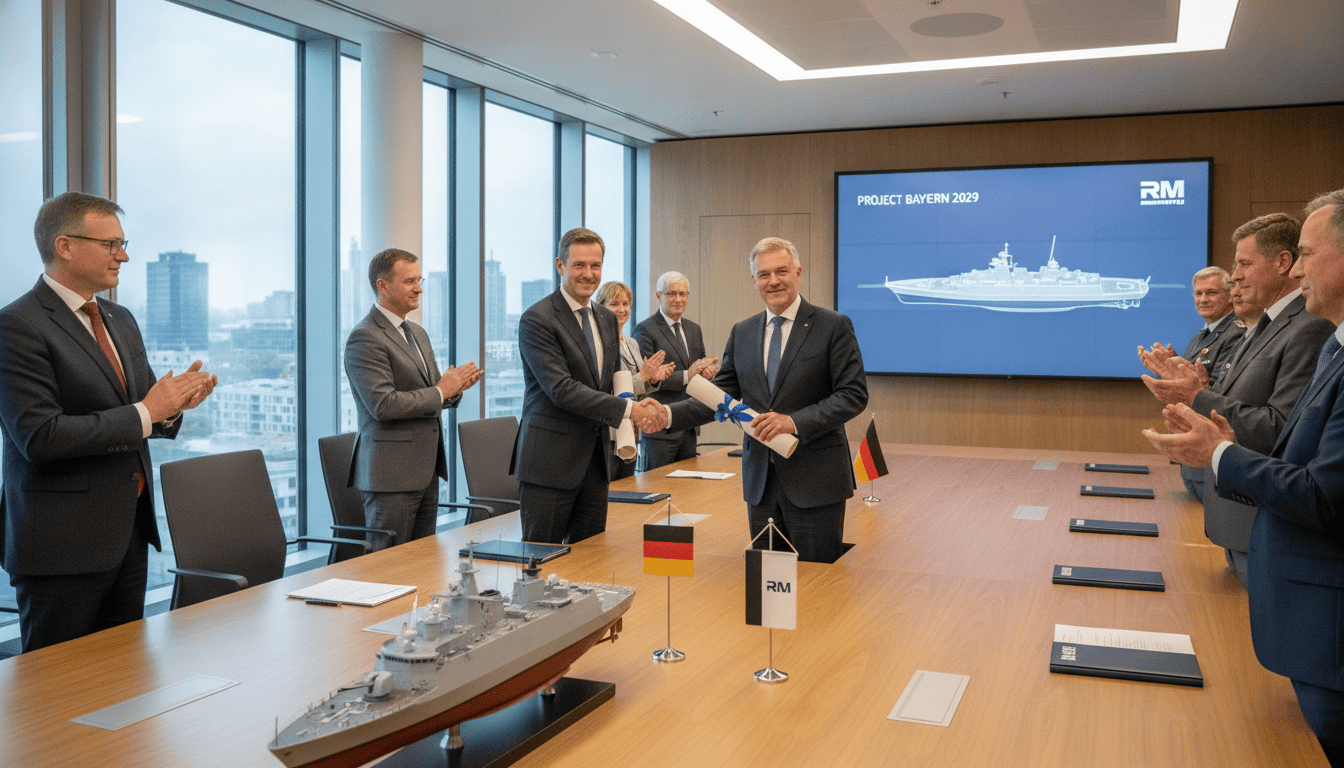
The defence group Rheinmetall has been awarded a contract by the German Navy to modernize Fregatte Bayern, a 143-metre F123-class ship that has served since 1996. The Rheinmetall Fregatte Bayern modernization will comprehensively renew the frigate’s command, sensor and weapons systems and extend its operational life until at least 2035. Rheinmetall confirmed the deal is worth a sum in the high hundreds of millions of euros and said work will be completed by 2029.
Contract value and timeline
Rheinmetall reported the order value in the three-digit million-euro range, signaling a major investment in mid-life upgrades for the Bundeswehr’s surface fleet. The company said the overhaul is scheduled to finish by 2029, allowing the Navy to retain the Bayern through at least 2035. The timetable positions the work as one of the largest single modernization projects for Germany’s existing frigate fleet this decade.
Scope of the modernization
The program will replace the ship’s Führungs- und Waffeneinsatzsystem (FÜWES), the integrated command and weapons employment system that ties radar, sensors and weapons together. Upgrades include new radar sensor packages, enhanced data links and refreshed combat management software to better coordinate defensive and offensive actions. Mechanical and engineering systems such as propulsion components will also be overhauled, while anti-submarine warfare (ASW) capabilities will be reinforced to meet evolving undersea threats.
Work currently underway in Wilhelmshaven
Fregatte Bayern is already berthed at the Neue Jadewerft facility in Wilhelmshaven, where large components have been removed in preparation for dry-docking. Rheinmetall plans to move the vessel into dock for deeper structural and systems work once the initial dismantling is complete. The shipyard, which Rheinmetall acquired as part of a broader naval portfolio, will carry out the hands-on modernization tasks with its long-standing workforce and facilities.
Rheinmetall’s integrated approach
As a major maker of weapons and munitions, Rheinmetall says it can supply a broader set of ship systems from a single source than many shipyards. That vertical integration is cited as an advantage for complex retrofit projects where weapons, sensors and combat systems must be tightly coupled. The company’s Naval Systems division framed the contract as a chance to demonstrate its end-to-end capability in repair, systems integration and weapons modernization.
Context after earlier program setback
The Bayern modernization comes shortly after a setback for Rheinmetall’s broader naval ambitions, when the German Ministry of Defence cancelled the company’s role in a multibillion-euro new-build frigate program and reassigned the work to German rival TKMS. Executives framed the modernization award as a significant recovery for the newly integrated naval division, offering immediate work and sustained revenue. Rheinmetall acquired the former naval-warfare daughter company NVL from the Lürssen Group for €1.5 billion in April, consolidating ship repair and modernization capacity under its banner.
Shipyard roles and fleet strategy
Under Rheinmetall’s plan, the Peene shipyard in Wolgast and Blohm + Voss in Hamburg will focus primarily on new-build construction, while the Neue Jadewerft in Wilhelmshaven and Norderwerft in Hamburg concentrate on repairs and upgrades. The differentiation aligns with Germany’s broader naval industrial strategy to preserve both construction and sustainment skills domestically. Industry sources note that sustaining older platforms through targeted modernizations helps bridge capability gaps while new classes are developed or procured.
The decision to modernize Fregatte Bayern reflects wider NATO and German concerns about naval readiness and undersea threats in Europe’s maritime environment. Updating sensor fusion, communications and ASW systems is intended to keep the ship interoperable with allied forces and relevant to contemporary missions, from sea control to multinational task group operations. Rheinmetall and the Navy will monitor the modernization schedule closely to meet the planned 2029 delivery and the intended service extension through 2035.
