
German conscription restart drives surge in applications but exposes gender gap
German conscription restart yields strong male response and recruitment gains — 298,200 letters sent by June 18, 2026; 38,500 applications, 11,000 hires so far.
The German conscription restart has produced a high response rate among young men and a measurable boost in overall recruitment, the Defence Ministry reported six months after the new Wehrdienst law took effect. By the statutory cut‑off of June 18, 2026, about 298,200 letters were dispatched to citizens who turn 18 this year, roughly half addressed to men required to respond under the new rules. Officials say the registration process has run “smoothly,” and that preliminary figures point to both compliance and renewed interest in service.
Ministry summary of response rates
The ministry confirmed that approximately 298,200 notifications were mailed to prospective registrants as of June 18, 2026. Roughly half of those letters went to men who are now legally obliged to reply under the revived registration system. Among those men, the ministry recorded a response rate near 96 percent, a level officials described as unexpectedly high.
The Defence Ministry added that about 20 percent of responding men indicated interest in serving in the Bundeswehr. For the roughly four percent of men who failed to answer, authorities said they are now evaluating whether to open administrative proceedings for non‑compliance.
Disparity in replies from women and other genders
The ministry’s data also exposed a pronounced gender gap in engagement with the German conscription restart. Among those addressed as women or “other genders,” the ministry reported that well over 90 percent did not submit any reply to the registration letters. That non‑response rate was cited by officials as evidence that the armed forces remain comparatively unattractive to many women.
At the same time, the ministry said that of the women and other respondents who did reply, slightly more than one third expressed interest in serving. That indicates that while interest exists among a minority, the overall pool of potential female recruits remains significantly smaller than among men.
Assessments, mustering and fitness results
In the first months after registrations resumed, the Bundeswehr conducted medical and suitability assessments for a subset of interested young people. About 1,500 candidates were mustered and interviewed in assessment centers, with approximately 600 additional appointments planned, the ministry stated. Officials said choice of further assessments will take into account regional capacity and applicants’ place of residence.
Roughly 80 percent of the male participants in the early assessments were deemed fit for service, according to ministry figures. The ministry also indicated it will extend mustering to some men who initially signalled no interest, selecting individuals by proximity and available testing capacity; a universal mustering of all 18‑year‑old men is scheduled to begin on July 1, 2027.
Recruitment gains under the new law
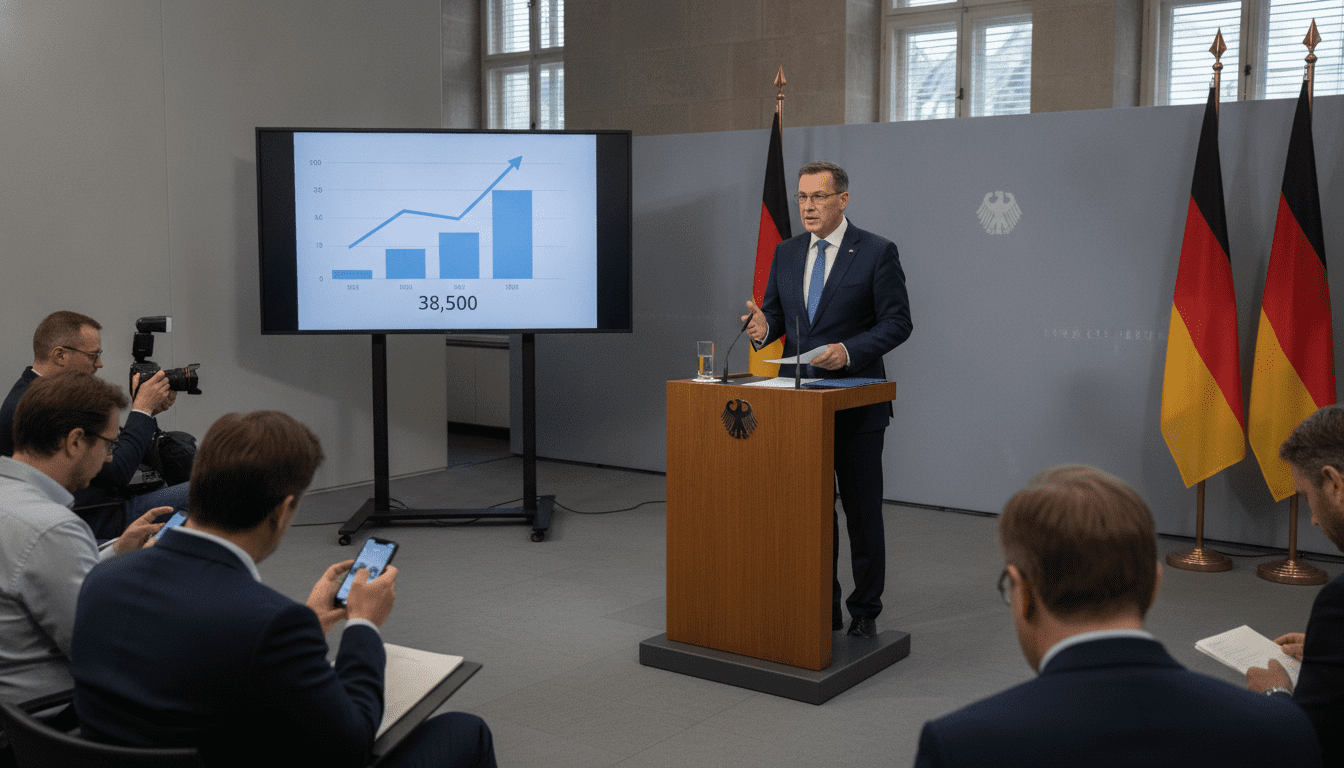
Defence Minister Boris Pistorius’s ministry credited the Wehrdienst reform with strengthening recruitment across the armed forces. Since the law’s entry into force, the ministry reported about 38,500 applications for military careers and roughly 11,000 new hires across all branches and career paths. Compared with the same period last year, applications rose by around 24 percent and new hires by about 13 percent, the ministry said.
The ministry attributes the uptick to a package of incentives introduced with the new conscription framework, which includes higher starting pay, sign‑on bonuses and expanded training and education opportunities. Officials argued that those changes make military service more financially and professionally attractive, particularly for applicants seeking vocational development.
Next steps and enforcement approach
Looking ahead, the Defence Ministry plans to scale up assessments and to begin systematic mustering of all 18‑year‑old men on July 1, 2027, as stipulated in the new law. In the interim, authorities will prioritize scheduling by geographic convenience and the availability of medical and assessment capacity. The ministry also signalled readiness to pursue administrative penalties for non‑responding men where warranted.
The ministry’s statements stressed that registration and mustering are parts of a broader effort to rebuild a reserve and personnel base after years of voluntary‑only recruitment. Officials said that continued monitoring of response patterns will guide where the Bundeswehr focuses outreach, recruitment incentives and regional assessment resources.
Public officials framed the early results of the German conscription restart as a cautious success, while critics point to the persistent gender imbalance and high non‑response among women as challenges the armed forces must address. The ministry’s figures offer a first data set to evaluate those claims, but close monitoring will be needed as mass mustering and further assessments proceed through 2026 and into the full implementation phase in 2027.
The coming year will test whether the initial surge in applications translates into sustainable recruitment and whether targeted measures can close the gap in participation by women and other genders.
