
Court to rule on special termination right for TV contracts after telecom reform
Germany’s Federal Constitutional Court is reviewing the special termination right for TV contracts introduced in the 2021 telecom reform, with a ruling expected in months and implications for millions.
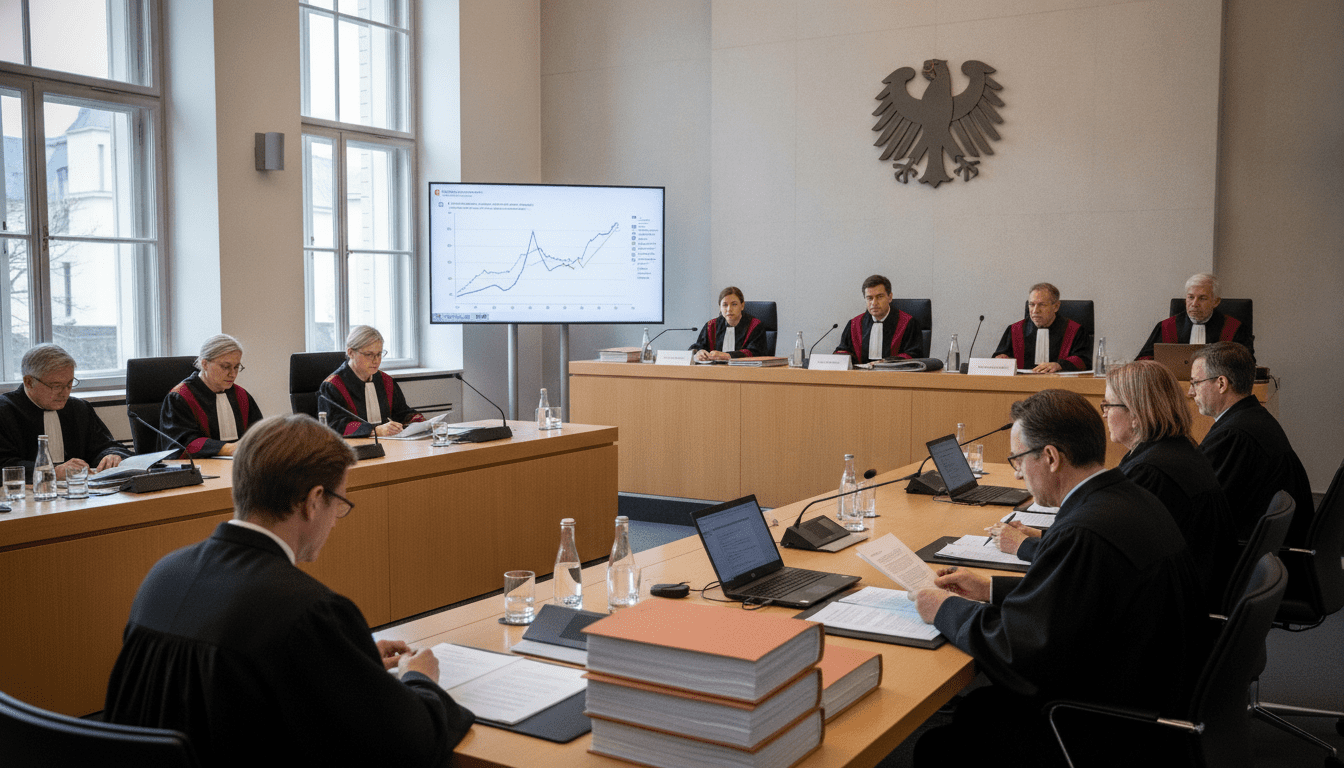
Karlsruhe opens oral hearing on TV contract termination dispute
The Federal Constitutional Court began oral proceedings in Karlsruhe to examine the constitutionality of a special termination right for TV contracts that took effect after a 2021 amendment to the Telecommunications Act. Court President Stephan Harbarth said the hearing will consider whether the interests of affected companies were sufficiently accounted for during the legislative process. A written judgment is anticipated in several months, according to the court.
Legislative change ended the Nebenkostenprivileg in 2021
The dispute centers on a December 2021 reform that abolished the so-called Nebenkostenprivileg, which had allowed landlords to pass television connection costs to tenants via service charges. The law included a transitional mechanism that expired on 1 July 2024 and introduced a special termination right for contracts concluded before December 2021. Under that rule, landlords were permitted to terminate existing agreements effective from 1 July 2024 without observing contractual notice periods.
Scale of the impact: millions of rental contracts and long-term investments
Court filings and statements during the hearing put the reach of the reform into sharp relief, with the court noting more than 12 million rental relationships were potentially affected. Many landlords had concluded long-duration collective agreements with TV providers, in some cases committing to 10- to 15-year terms and to building and operating in-house distribution networks. Network operators say those long contractual horizons were necessary to amortize the upfront costs of installing infrastructure inside apartment buildings.
Operators allege heavy financial burden and constitutional rights violations
Three network operators brought constitutional complaints, arguing the special termination right shifted the entire economic burden of the reform onto providers. Lawyers for the claimants, including Hamburg-based willy.tel, told the court that business models depended on multi-year cost recovery and that the sudden termination rule forced companies to absorb unrecovered investments. Counsel for Ziegelmeier GmbH said the company suffered an “existential” loss approaching €9 million, and the plaintiffs are asserting breaches of property rights and professional freedom guaranteed by the Basic Law.
Government defends reform as balanced and constitutionally sound
Representatives of the federal government contested the complaints, arguing that the legislature struck a constitutionally permissible balance between the interests of cable operators, landlords and tenants. Irina Soeffky of the Federal Ministry for Digital Affairs and Transport told the court the reform remedied an imbalance that had allowed landlords to pass connection costs to tenants regardless of usage. The ministry maintains the special termination rule, and the absence of a statutory right to damages for the non-terminating counterpart, were justified policy choices within the legislature’s margin of appreciation.
Legal questions the court will weigh in its decision
Judges in Karlsruhe are expected to consider several legal issues, including whether the legislature adequately considered the economic effects on the operators when abolishing the Nebenkostenprivileg. The court will also examine if the retroactive impact of the transition rule and the denial of damage claims for the non-terminating party violate constitutional protections. Case records identify the lead docket as 1 BvR 1803/22 among related filings, reflecting multiple consolidated complaints.
Operational and market consequences if the court rules for claimants
A decision in favor of the operators could require legislative correction, possible compensation mechanisms, or at least clarify limits on the state’s ability to alter economic expectations created by long-term private contracts. Industry observers warn that a ruling upholding the complaints might prompt renegotiations of thousands of building-level agreements and affect investment incentives for smaller regional network providers. Conversely, a decision dismissing the complaints would solidify the government’s current framework and leave landlords’ newly regained ability to terminate old contracts intact.
The Karlsruhe hearing marks a pivotal review of how telecom policy reforms intersect with private contractual expectations and constitutional safeguards, and the court’s forthcoming judgment will be closely watched by landlords, tenants and network operators across Germany.
