
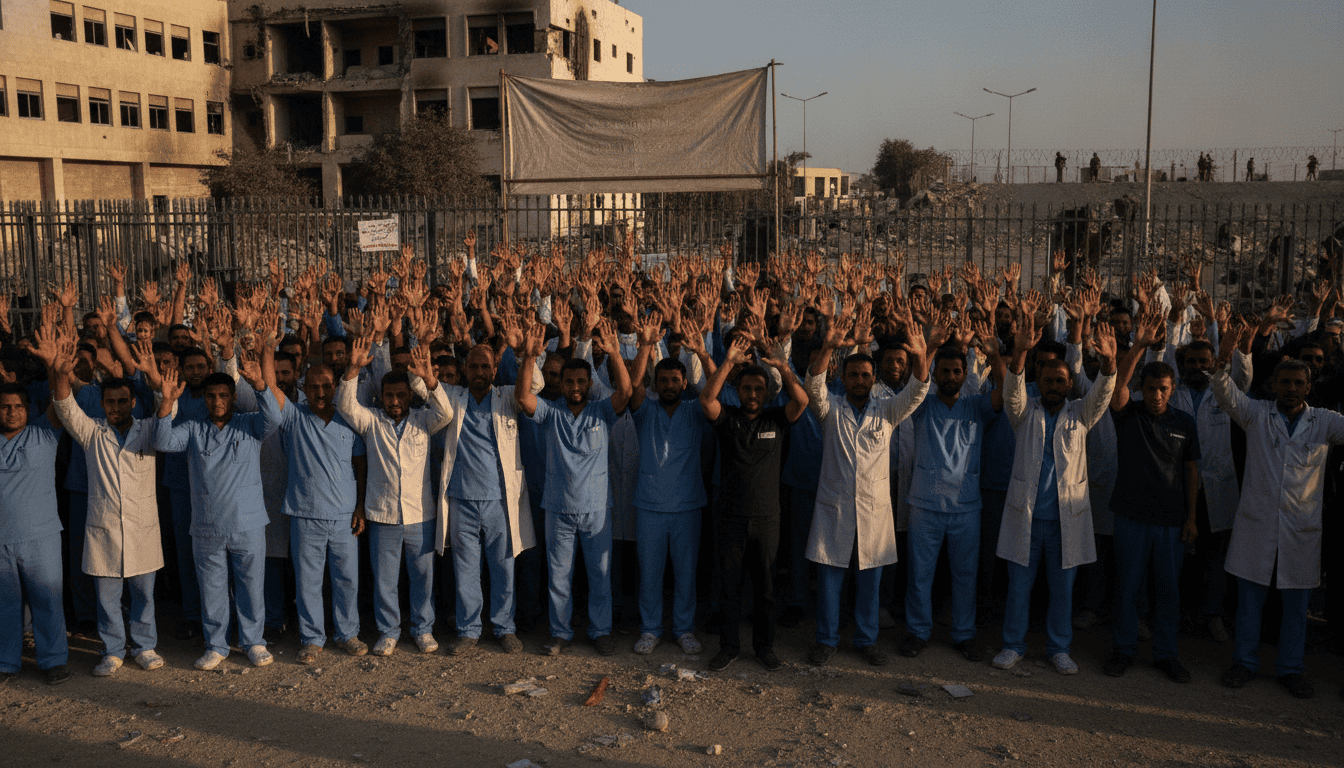
Gaza healthcare crisis: Doctors mark 1,000 days since Oct. 7, 2023, and urge lifting of blockade
Gaza healthcare crisis: Doctors mark 1,000 days since Oct 7, 2023, urging pressure to lift Israel’s blockade and allow critical medical supplies and aid.
Physicians and health professionals in Gaza marked 1,000 days since October 7, 2023, by issuing a public plea for international pressure to end Israel’s blockade and to lift an explicit ban on essential medical items. The delegation, convened by the international non-profit Doctors Against Genocide, detailed how restrictions and sustained attacks have eroded care across the enclave. Their appeals focused on shortages that now make basic infection control, diagnostics and chronic care all but impossible.
Scale of damage to hospitals and health workers
Gaza’s health authorities reported heavy losses among medical personnel and infrastructure during the assault that followed October 7, 2023. The Gaza Health Ministry said some 1,700 medical workers have been killed, 38 hospitals have been wholly or partly destroyed, and nearly 200 ambulances struck. Those figures, cited by participants on the call, underline the collapse of a health system that had been strained but functioning before the latest escalation.
Hospitals that remain standing face intermittent power, scarce sterilization materials and limited surgical capacity. Operating theatres and intensive care units are hampered by equipment damage and shortages of disposables. Medical staff described working in conditions that make routine care a daily crisis rather than a sustained service.
Diagnostics and treatment capacity sharply reduced
Clinicians reported the loss of critical diagnostic machines and treatments that once defined Gaza’s medical capability. Dr Ahmed Shatat, director general of International Cooperation and Planning in Gaza, said facilities that previously operated multiple MRI and cardiac catheterization machines now have none or only a single, aging unit. He warned that stent supplies and other cardiac devices are unavailable, forcing compromises in care for heart disease patients.
Cancer treatment has also been disrupted, with doctors resorting to immediate mastectomies for some breast cancer patients when imaging and systemic therapies are not accessible. Preventive medicine and early diagnosis — long-standing pillars of Gaza’s public health — have effectively been suspended in many areas.
Water, sanitation and infectious disease surges
Water and sanitation systems have deteriorated as production from wells fell and desalination projects largely ceased to function because of infrastructure damage and fuel shortages. Dr Munir al-Barsh, head of Gaza’s water and environment sector, reported that well output has dropped to about one-third of pre-October 7, 2023 levels and is increasingly vulnerable to contamination from waste and pollution.
Health workers said vaccination coverage has fallen from roughly 96 percent to about 80 percent, and cases of scabies, gastroenteritis and Hepatitis A have risen. The absence of chlorine and other disinfectants, which Gaza authorities say are being blocked from entry, exacerbates the risk of outbreaks in crowded displacement sites and damaged communities.
Humanitarian access and supply chain disputes
Israeli authorities maintain that between 600 and 800 trucks have clearance to enter Gaza daily, a figure cited during the virtual meeting, but humanitarian organizations contend most trucks carry commercial goods rather than critical medical supplies. Refugees International and other groups have argued that current convoys fail to meet the scale of medical and civilian needs, and that restrictions on specific items — including disinfectants and key pharmaceuticals — are impeding effective relief.
Medical responders on the call pressed for clearer, sustained corridors for humanitarian shipments that prioritize hospital equipment, consumables, vaccines and fuel for essential services. They emphasized that ad-hoc deliveries and intermittent access cannot substitute for a steady supply chain required to run hospitals and prevention programs.
Mental health crisis and mass displacement
Beyond physical injuries and infrastructure loss, Gaza faces a deepening mental health emergency, participants said. Dr Mustafa Barghouti and other clinicians described widespread trauma and psychiatric disorders that far exceed local capacity. Many mental health providers have themselves lost family members or homes, limiting the system’s ability to respond.
Nearly two million people are internally displaced, and close to half a million buildings are considered uninhabitable, officials reported. The burden of bereavement, post-traumatic stress and disrupted social supports is amplified by overcrowding, food insecurity and the loss of basic services.
Medical leaders called for international action to address both the immediate clinical shortages and the long-term public-health consequences of prolonged siege and conflict. They urged governments and aid bodies to press for unfettered humanitarian access and targeted deliveries of medical equipment, disinfectants and medicines.
Gaza’s medical representatives framed their appeal as a matter of survival and dignity, underlining that newborns continue to be born even as child mortality and casualties rise. They urged the international community to recognize that reviving health services will require consistent supply routes, protection for medical facilities and sustained support for the mental and social recovery of communities.
The doctors’ message was direct: without a reliable flow of medical supplies, fuel and safe access for health teams, the Gaza healthcare crisis will continue to deepen, with cascading effects on preventable disease, chronic illness management and overall population resilience.
