
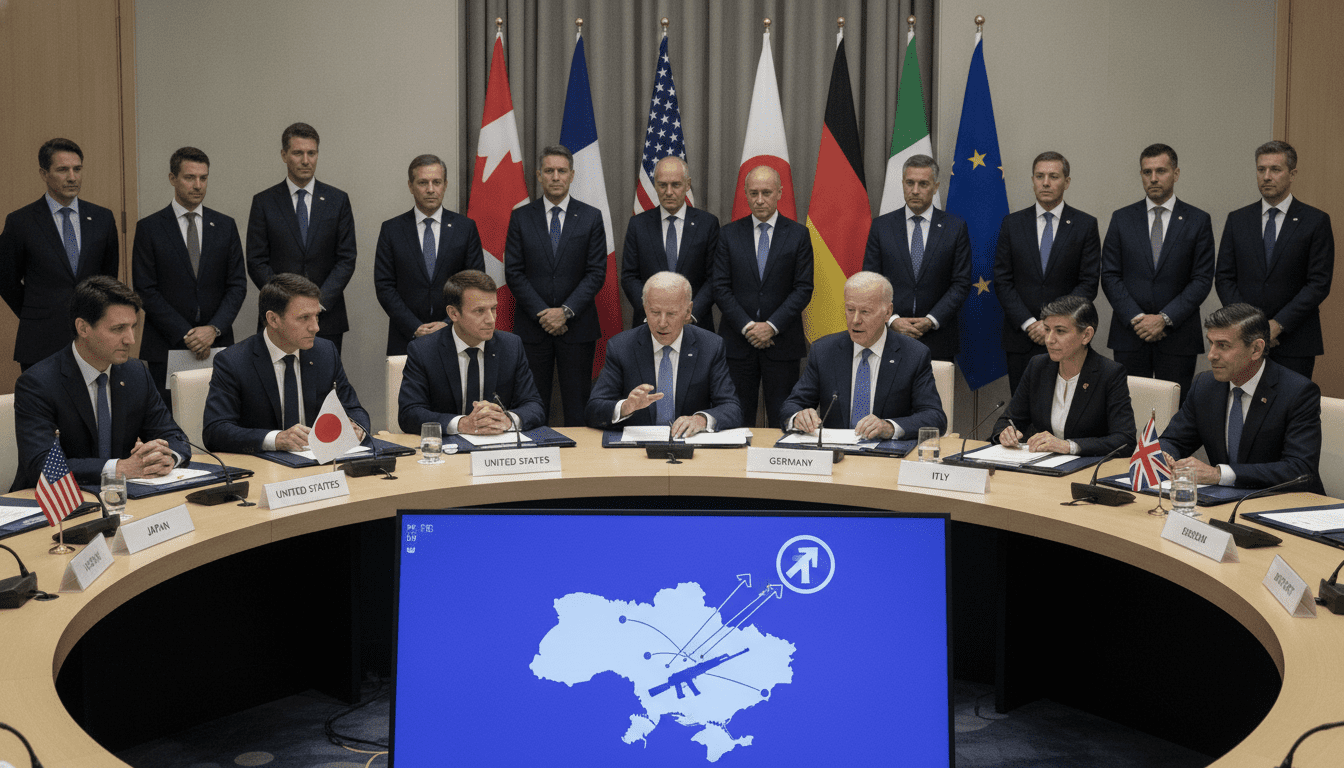
G7 summit in Évian sees symbolic gestures and tough new measures on Russia
German Chancellor Friedrich Merz’s jersey gift to Donald Trump made headlines at the G7 summit, but leaders also agreed to sharpen sanctions and deepen military support for Ukraine. The G7 summit in Évian unfolded as a mix of diplomatic theater and concrete policy moves aimed at increasing pressure on Moscow. Delegates balanced lighthearted moments with far-reaching decisions on sanctions, arms deliveries, and transatlantic security.
Merz’s jersey moment draws attention
At the opening of the G7 summit, German Chancellor Friedrich Merz presented U.S. President Donald Trump with a Germany national team jersey bearing the number 47 and Trump’s name. The exchange, intended as a light diplomatic gesture, briefly eclipsed heavier agenda items and generated swift media reaction across allied capitals. Though seemingly symbolic, the gift underscored an effort to blend personal rapport with political messaging among leaders.
G7 adopts new sanctions and expanded weapons commitments for Ukraine
Leaders at the summit announced a new package of sanctions targeting sectors of the Russian economy, including measures designed to hit oil and gas revenues. The G7 also committed to supply Ukraine with additional long-range munitions and strengthened air defense systems to help Kyiv defend territory and critical infrastructure. Officials framed the moves as a coordinated effort to increase pressure on Moscow while signaling continued political support for Ukraine’s resistance.
Zelensky’s presence and prospects for diplomacy
Ukrainian President Volodymyr Zelensky attended sessions focused on the war and pressed allies for more capabilities and sustained financial backing. Summit communiqués emphasized that Russia remains unwilling to engage in meaningful negotiations, prompting G7 members to prioritize punitive economic measures alongside military assistance. Reports suggest follow-up bilateral meetings on the margins, including a possible additional encounter between Zelensky and President Trump to review further support options.
Strained German-Polish relations over wartime compensation
The G7 backdrop coincided with German and Polish officials marking 35 years since their neighborly treaty, yet bilateral ties remain frayed over unresolved compensation claims from Nazi-era victims. Warsaw rejected a German offer two years ago, leaving roughly 50,000 eligible survivors in precarious financial situations according to advocacy groups. Diplomats and ministers from both capitals are meeting this week, but the compensation dispute continues to complicate broader cooperation between Berlin and Warsaw.
Broader geopolitical flashpoints: Iran negotiations and hybrid threats
Separately, the summit agenda acknowledged other volatile arenas, including tentative U.S.-Iran talks that aim to address Tehran’s nuclear program within an agreed timeline. Tehran has signaled interest in sanctions relief and renewed oil exports while remaining adamant that missile and regional policies are non-negotiable. Meanwhile, Germany is sharpening its domestic security posture against so-called hybrid attacks, with proposals for a new central unit to counter foreign influence and covert operations; experts warn the center’s effectiveness will depend on legal frameworks and resourcing.
Economic ripples at home: BMW forecast cut and industry concerns
On the economic front, Germany’s industrial calendar added its own strain when BMW announced a downward revision of sales expectations and unveiled cost-saving plans. The adjustment came with a warning that the automaker would pursue efficiency measures, though the company has not confirmed whether job cuts will follow. The development highlights the vulnerability of German industry to global demand shifts and energy-market turbulence that were also discussed in diplomatic sessions.
Sporting milestones provide lighter contrast to summit gravity
Even as leaders debated sanctions and arms, the global calendar offered sporting headlines: Lionel Messi’s hat-trick in Argentina’s World Cup opener and high-profile victories across the tournament grabbed public attention. Such moments offered a human-interest counterpoint to the summit’s hard-edged diplomacy, reminding observers that international gatherings often mix policy with cultural and symbolic exchanges.
The Évian G7 summit combined theatrical gestures with substantive policy decisions, as leaders sought to present unity on Ukraine while navigating complex bilateral tensions and global security challenges. The coming weeks will test whether the new sanctions and weapons pledges translate into sustained pressure on Moscow and whether diplomatic overtures elsewhere can yield concrete progress.
