
Survey: Vacation Pay in Germany Favours Men, Western Workers and Large Firms
WSI survey finds vacation pay in Germany unevenly distributed; men, West German employees and staff in large firms are more likely to receive and receive larger holiday bonuses.
The WSI’s analysis of nearly 50,000 responses shows clear gaps in access to vacation pay, with men, employees in West Germany and workers at larger companies more often receiving extra holiday compensation. The data, drawn from the WSI portal Lohnspiegel.de between May 1, 2025 and May 31, 2026, highlights both frequency and amount differences across regions, industries and company sizes. Policymakers, unions and employers are likely to scrutinise the findings as collective bargaining and sectoral agreements emerge as key drivers of the disparities.
Gender and regional disparities in vacation pay
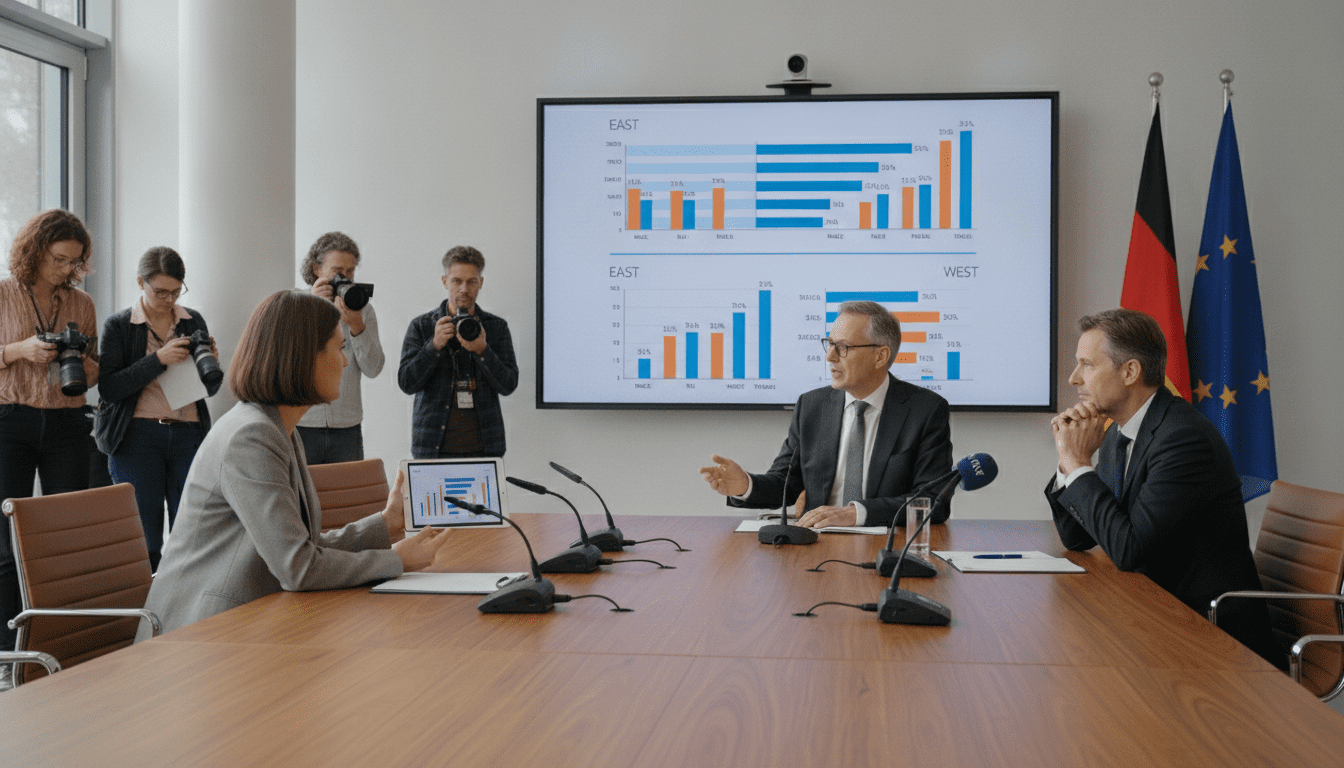
The survey finds men in the private sector are substantially more likely to receive vacation pay than women, with 49 percent of men reporting such payments compared with 38 percent of women. Regional divides are similarly pronounced: employees in East Germany report lower access to vacation pay than their counterparts in the West. The WSI links much of the East-West gap to lower levels of collective bargaining coverage in the eastern states.
Company size shapes benefits distribution
Larger employers are disproportionately represented among firms that pay vacation bonuses, the WSI analysis shows, reinforcing the link between organisational scale and employee benefits. In sectors dominated by nationwide collective agreements, company size matters less because the contract terms standardise payouts across employers. Smaller firms and micro-enterprises, by contrast, more often omit vacation pay altogether or offer minimal sums.
Collective agreements narrow differences in selected sectors
In several industries where nationwide tariff agreements apply, the typical East-West discrepancy largely disappears, according to the WSI. Examples cited include the insurance sector, the building-cleaning trades and Deutsche Bahn, where uniform rules mean employees receive similar vacation pay regardless of location. The printing and chemical industries also report consistent holiday payments tied to sectoral agreements, demonstrating how collective bargaining can level regional inequalities.
Wide variation in vacation pay amounts across industries
The survey reveals dramatic differences in the size of vacation payments by sector. Workers in low-wage industries typically receive smaller bonuses, while certain manufacturing and skilled trades can see much larger sums. For example, agricultural workers in Mecklenburg‑Vorpommern reported averages near €186, whereas some employees in the wood and plastics processing industry in Westfalen‑Lippe reported amounts up to €2,904. WSI tariff archive head Thorsten Schulten notes that classic low‑wage sectors generally pay lower vacation supplements.
Data scope, methodology and limitations
The findings are based on an online survey hosted on Lohnspiegel.de that collected responses between May 1, 2025 and May 31, 2026, with roughly 50,000 participants. While the WSI cautions the results are not formally representative of the entire workforce, the large sample size allows for granular analysis by region, sector and company size. The portal’s voluntary, self-reported data can reflect selection biases, but the volume of responses provides useful directional insights into pay practices across Germany.
Implications for collective bargaining and policy
The WSI analysis underscores the role of tariff coverage and sectoral agreements in expanding access to vacation pay and reducing regional disparities. Unions and employers’ associations may use these results to press for broader collective bargaining coverage or targeted agreements in low‑pay regions and sectors. For policymakers, the gaps highlighted in the survey could inform debates on minimum standards for supplementary pay or incentives for extending negotiated agreements.
The uneven distribution of vacation pay documented by the WSI survey draws attention to structural differences in Germany’s labour market that affect who receives extra holiday compensation and how much they get. As social partners prepare for future negotiations, the data provides a concrete basis for discussions about fairness in benefits and the reach of collective agreements across regions and industries.
