
History of the French Open: Federation Accused of Hiding Wartime Roland Garros Records
Historians say the French Tennis Federation is withholding wartime Roland Garros records; new evidence demands a reappraisal of the history of the French Open.
The French Tennis Federation (FFT) is facing renewed scrutiny after researchers and historians said large portions of the sport’s wartime archive have not been made public. Scholars argue that what occurred at Roland Garros during the German occupation in World War II has been obscured, and that a fuller record is essential to the history of the French Open. The allegations have prompted calls for an independent inventory of documents and photographs relating to the period.
French Tennis Federation refuses to release wartime files
The FFT declined to provide access to several boxes of archival material cited in recent inquiries, according to those leading the research. Officials have told historians that some files are restricted for preservation or privacy reasons, but they have not offered a complete public inventory. That partial openness has increased pressure from academics who say transparency is needed to settle contested accounts.
Competitions continued at Roland Garros during occupation
Documentary fragments and eyewitness testimony indicate that tennis events were staged in Paris while the city was under occupation, with matches taking place at the Roland Garros venue. Tournament records from that era are incomplete, leaving unanswered questions about who played, under what authority, and how results were recorded. The persistence of sport in wartime has long been part of broader debates about daily life and collaboration under occupation.
Evidence suggests non-French entrants and local collaboration
Researchers report that participants in wartime competitions included not only French players but also entrants with ties to occupying authorities or to territories under German influence. Some contemporary accounts portray prominent French players in ambiguous roles, prompting historians to investigate whether those men accepted invitations, competed under duress, or actively collaborated. Establishing the facts is complicated by inconsistent documentation and the passage of seven decades.
The 1946 photograph and questions about “rebirth”
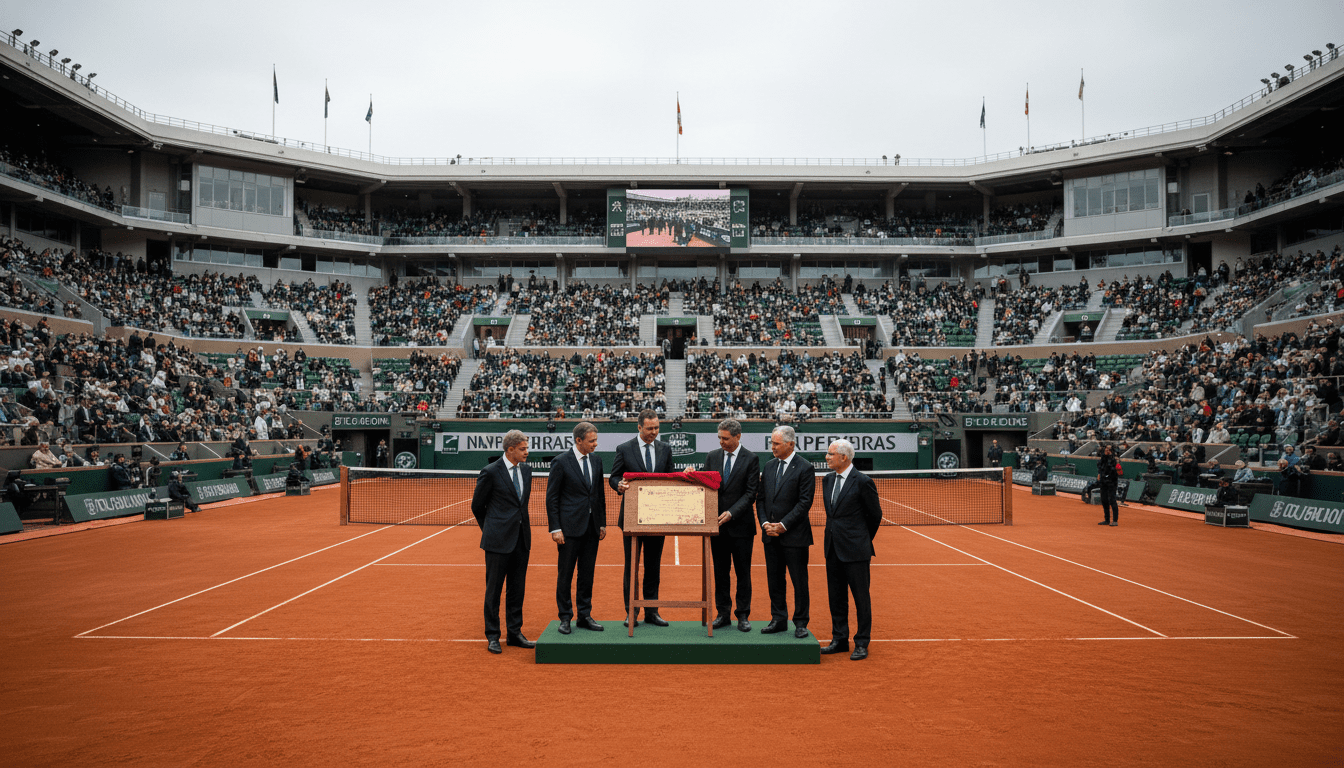
A widely circulated 1946 photograph showing Marcel Bernard and Yvon Petra at Roland Garros has been described as an image of renewal after the war. The picture, taken as the tournament resumed public prominence, has become emblematic of the event’s postwar “rebirth.” Yet historians caution that celebratory images from 1946 should not obscure the complexity of the preceding years, and they say earlier records need to be reconciled with the narrative of renewal.
Archival gaps complicate efforts by historians
Gaps in municipal registries, club minutes and tournament ledgers make it difficult to reconstruct complete rosters and match outcomes from the occupation years. Some material has been lost, other documents were never formally filed, and a portion of the surviving evidence resides in private hands or in international repositories. These lacunae mean conclusions must often rest on corroborating fragments rather than single definitive sources.
Calls for transparency ahead of Roland Garros commemorations
With Roland Garros remaining one of tennis’s most visible stages, historians and descendants of players are urging the FFT to commission an independent audit of wartime records and to digitize what can be made public. Advocates say an open archive would allow historians to produce a more accurate account of the tournament’s past and would protect the reputations of athletes by placing individual choices in their fuller context. FFT representatives have acknowledged the sensitivities but have not yet committed to a complete public release.
Public interest in the wartime chapter of Roland Garros has intensified what had been a specialist debate among sports historians and archivists. Resolving the outstanding questions will require sustained cooperation between the federation, state archives and international collections, and may reshape how the history of the French Open is written for future generations.
