
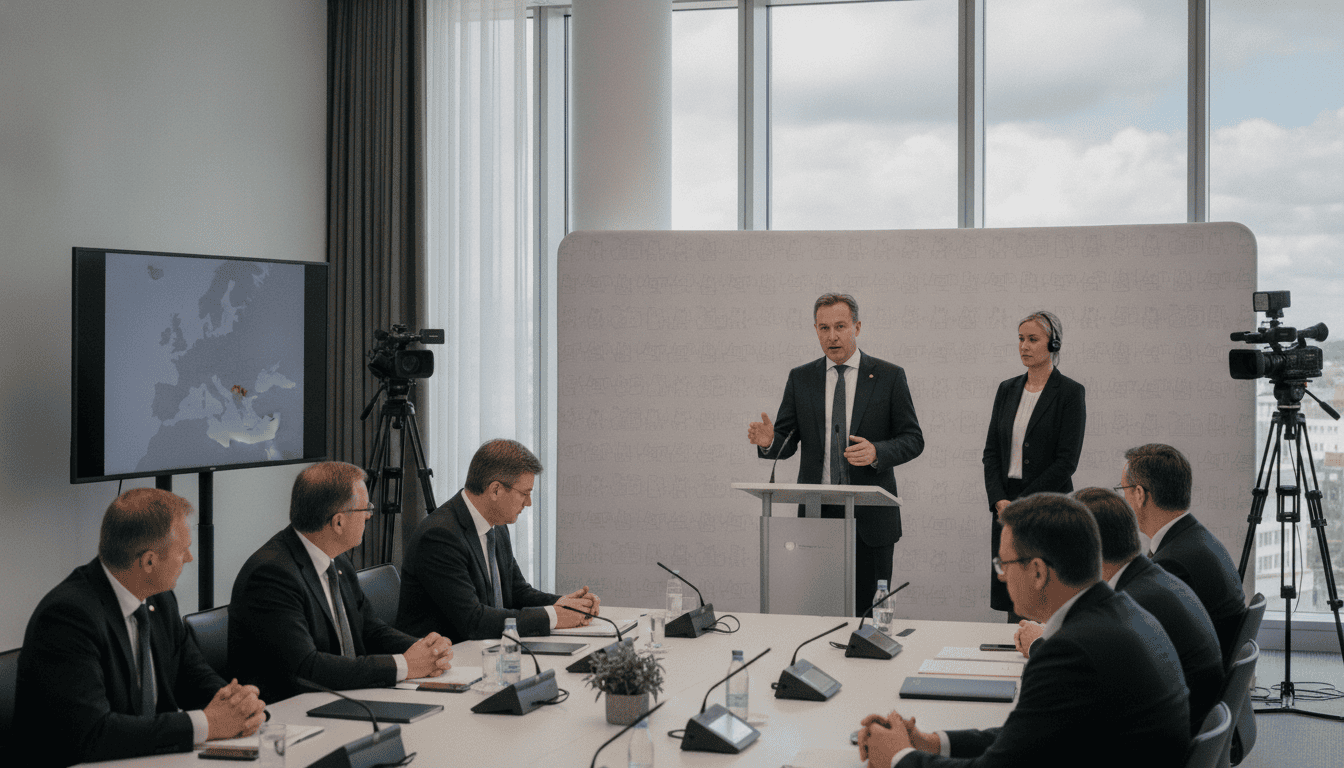
Germany Must Rethink Civil Protection Planning, Wadephul Says
Germany urged to rethink civil protection planning as CDU’s Johann Wadephul spotlights Finland’s shelter network as a practical model for national preparedness.
Wadephul Calls for Rethink of Civil Protection Planning
Johann Wadephul, a senior CDU politician, urged Germany to overhaul its civil protection planning after visiting shelters in Helsinki. He said the threat posed by Russia requires a different approach to civilian preparedness and resilience. Wadephul praised Finland’s emphasis on preparedness over alarmism, arguing Europe can learn from its sustained investment in protective infrastructure. His remarks mark a clear push for policy change ahead of debates in Berlin.
Finnish Shelters Offer Capacity Beyond Population
Helsinki, with roughly 700,000 residents, maintains shelter capacity for approximately 900,000 people, providing a tangible example of national-scale contingency planning. That surplus capacity reflects a policy choice to treat civil defense as a permanent state responsibility rather than an occasional measure. Officials in Finland have long integrated shelter construction, maintenance, and civil defence drills into urban planning and public services. Wadephul presented those figures to illustrate how structural preparedness can outpace population needs.
Helsinki’s Shelter Strategy and Investment
Finland’s network combines modern underground facilities, repurposed spaces and clear public guidance on shelter use and access. Investment decisions in Helsinki prioritize redundancy and geographic distribution to ensure access during crises. Such infrastructure is paired with communication strategies that focus on calm, practical instructions rather than alarmist rhetoric. Wadephul highlighted how that mix of hardware and public communication underpins public confidence in emergency systems.
Threat Perception: Russia and Open Societies
Wadephul framed his visit in the context of a perceived intent by Russia to unsettle and weaken open societies in Europe. He said the response should not be panic but measured preparedness, a stance he described as “not alarmism, but preparation.” That assessment links geopolitical tension with domestic resilience planning, shifting civil protection from a technical issue to a strategic policy priority. The argument reframes shelters and related measures as instruments of national security and social stability.
Policy Implications for German Federal and State Governments
Translating lessons from Helsinki into German policy raises questions about responsibilities between federal and state authorities, financing, and legal frameworks. Germany would need coordinated legislation, funding streams and building standards to achieve comparable shelter coverage. Political discussions will have to weigh costs against perceived benefits, and balance civil liberties with compulsory measures if those are proposed. Wadephul’s intervention aims to set that agenda by prompting parliamentary and administrative review.
Operational Challenges and Funding Questions
Building or upgrading large-scale shelter infrastructure involves logistical hurdles including land use, construction timelines and maintenance budgets. Long-term funding commitments are required to keep facilities usable, staffed and integrated into emergency plans. Equally important are public information campaigns and regular exercises to ensure the population knows how to act if a crisis arises. Policymakers must also decide whether to adapt existing structures or invest in new projects to meet contemporary threats.
Political Reception and Next Steps
Wadephul’s call is likely to trigger debate within the CDU and across coalition partners about priorities for civil defence spending. Opposition parties, municipal leaders and civil society groups may raise concerns about costs, efficacy and social implications of large-scale shelter programs. Federal ministries and state governments will need to assess technical reports, compare international models and consult experts on feasibility. If momentum builds, concrete proposals could appear in legislative budgets and civil protection plans in the coming months.
Germany faces a policy choice between incremental upgrades and a comprehensive reset of civil protection planning, and Wadephul’s visit to Helsinki has injected urgency into that conversation. The Finnish example — a blend of infrastructure, communication and sustained political commitment — offers a roadmap, but adapting it to Germany’s legal, fiscal and federal systems will be complex. How quickly Berlin moves from debate to implementation will determine whether the country can substantially enhance civilian resilience in the years ahead.
