
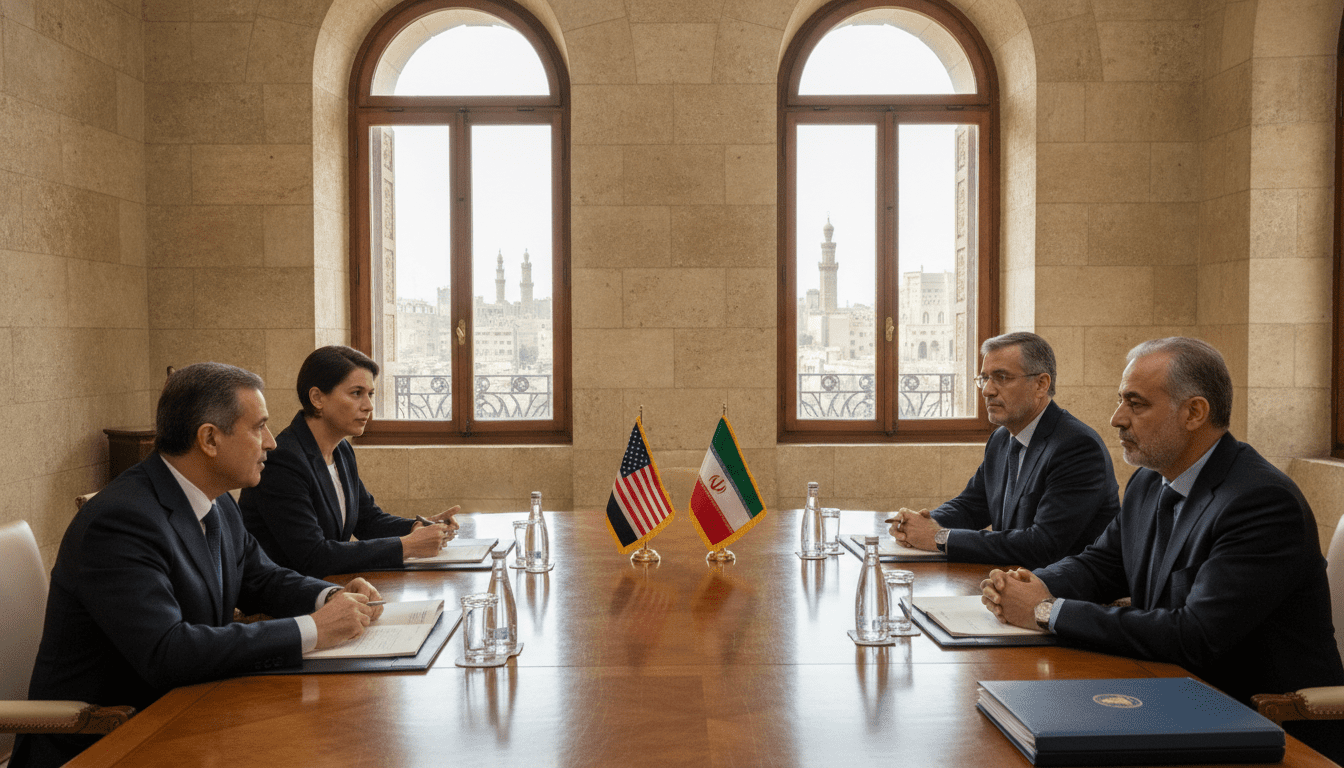
Egypt urges US and Iran to seize chance for a deal after U.S. de-escalation
Egypt urges US and Iran to seize an ‘available opportunity’ for a deal to end the war after Washington’s de-escalation, Cairo says, calling for renewed talks.
Egypt urges US and Iran to seize available opportunity to end war after Trump de-escalation
Egypt urges US and Iran in a rare public appeal after U.S. President Donald Trump stepped back from threatened strikes on Tehran, with Cairo calling on both sides to exploit what it termed an “available opportunity” to negotiate an end to hostilities. The foreign ministry said the window could be used to resolve outstanding disputes and prepare the region for a new phase of stability.
Egypt frames appeal around reduced U.S. military threat
Cairo’s statement followed a recent U.S. move to withdraw an explicit threat of further strikes on Tehran, a step Egyptian officials described as lowering immediate tensions. The foreign ministry urged both Washington and Tehran to take advantage of the change in posture and pursue a negotiated settlement to their disputes. Egyptian diplomats signaled that avoiding further escalation could open space for regional diplomacy.
Details of Cairo’s diplomatic note
The ministry’s message, released late Thursday, emphasized clarity and timing, urging that the “available opportunity” be seized to tackle the outstanding issues between the parties. Egyptian officials said their aim was to foster conditions conducive to ending the war and initiating long-term stability across the region. The statement framed Egypt’s position as supportive of diplomatic engagement rather than deeper military involvement.
Regional implications for stability and security
Analysts say Egypt’s public appeal reflects broader anxiety among regional capitals about an escalation between the United States and Iran. Cairo, which borders key maritime routes and maintains strategic ties across the Middle East, has an interest in preventing disruptions that could harm trade and security. Officials in the region view any de-escalation by Washington as a limited but useful opening for lowering the immediate risk of wider conflict.
Potential diplomatic pathways and constraints
Egypt suggested that the window could be used to negotiate on multiple outstanding matters, though it did not outline a specific mediation role or timetable. Diplomats note several obstacles: mistrust between U.S. and Iranian leadership, competing regional allies, and domestic political pressures in each capital. Any progress would require confidence-building measures, third-party facilitation, and clear sequencing to prevent renewed hostilities.
Responses in Washington and Tehran
U.S. and Iranian reactions to Egypt’s call were not detailed in the Egyptian statement, but both capitals have signaled varying degrees of openness to talks at different times. In Washington, officials have balanced deterrence with diplomatic outreach depending on evolving security assessments. In Tehran, leadership dynamics and regional partners complicate public accommodations, making quiet, indirect diplomacy a likely path if negotiations resume.
What an agreement might cover
Experts say a deal to end hostilities could include ceasefire commitments, phased withdrawal or de-escalation steps, and mechanisms to address specific grievances such as sanctions, regional proxies, and maritime security. Any pact would likely require monitoring arrangements and guarantees from major powers to ensure compliance. Observers caution that durable settlements often involve incremental agreements rather than a single comprehensive treaty.
Egypt’s broader diplomatic posture
Cairo’s intervention highlights Egypt’s interest in being seen as a stabilizing force in the region and a voice for pragmatic diplomacy. The country has historically balanced relations with both Western powers and regional actors, positioning itself to advocate for conflict containment. By urging both the United States and Iran to act, Egyptian officials underscored a preference for negotiated solutions over military expansion.
The coming days will test whether the reduced U.S. threat translates into tangible diplomatic movement, and whether Tehran and Washington can bridge deep disagreements. For now, Egypt has called for the opportunity to be used, framing its appeal around the immediate need to prevent further escalation and to begin a process toward regional stability.
