
Diaphragmatic Hernia: Types, Symptoms, Diagnosis and Treatment Explained
A concise guide to diaphragmatic hernia, covering causes, symptoms, prenatal detection, and modern surgical and support options for infants and adults.
A diaphragmatic hernia occurs when an opening in the diaphragm allows abdominal organs to move into the chest, potentially compressing the lungs and impairing breathing. The condition can be congenital or acquired, and symptoms range from mild acid reflux to life-threatening respiratory distress in newborns. Early detection through prenatal imaging and rapid neonatal care are critical to improving outcomes. (cdc.gov)
Types and prevalence of diaphragmatic hernia
Most congenital cases are posterolateral Bochdalek hernias, which account for the majority of observed defects and are left-sided in roughly 80–85% of cases. Morgagni hernias are far less common and usually occur anteriorly near the breastbone, representing about 2–5% of congenital presentations. Hiatal hernias and traumatic diaphragmatic tears complete the clinical spectrum, with adult presentations sometimes discovered incidentally on imaging. (msdmanuals.com)
Breathing and gastrointestinal signs that prompt evaluation
Symptoms depend on type and severity, but diaphragmatic hernia most often affects respiration and digestion. Newborns with congenital defects commonly present with rapid, labored breathing, cyanosis, and decreased breath sounds on the affected side, while older children and adults may report reflux, chest pain, or shortness of breath. Some defects remain asymptomatic for years and are only diagnosed after chronic gastrointestinal symptoms or following trauma.
What research and prenatal screening reveal about causes
Congenital diaphragmatic hernia arises when the diaphragm does not fully form during early fetal development, and genetic factors are suspected in a minority of cases. Environmental and maternal health factors such as diabetes or advanced maternal age have been associated with higher risk, though many infants with CDH have no identified genetic abnormality. Improved prenatal ultrasound and specialized fetal assessment allow for earlier risk stratification and planning at referral centers. (wjps.bmj.com)
Diagnostic imaging and newborn assessment practices
Diagnosis typically begins with a physical exam and chest radiograph, with CT and fetal MRI employed for more detailed anatomical assessment when needed. In utero, routine anatomy scans can detect signs of organ herniation and reduced lung volume, and postnatal evaluation focuses on respiratory status and the extent of pulmonary hypoplasia. Genetic testing and multidisciplinary counseling are commonly used to guide perinatal management and delivery planning.
Surgical repair and when extracorporeal support is used
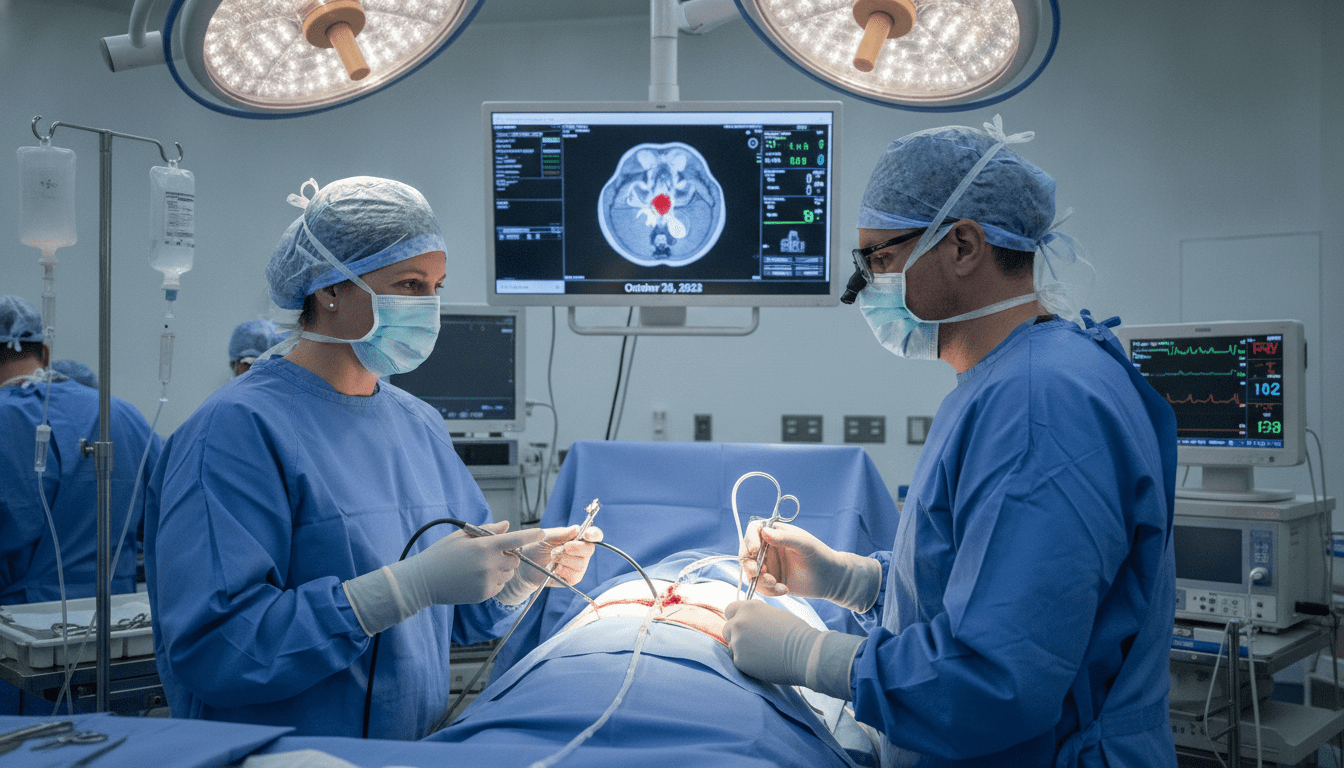
Surgery is the definitive treatment for most diaphragmatic hernias, with approaches ranging from open repair to minimally invasive laparoscopic or thoracoscopic techniques depending on defect size and patient stability. In severe neonatal cases, teams may stabilize infants with ventilatory support and, when necessary, extracorporeal membrane oxygenation (ECMO) to allow the lungs to rest before definitive repair. Mesh reinforcement is reserved for large defects, while smaller openings may be closed directly with sutures. (mayoclinic.org)
Complications to watch for and recommended follow-up
Untreated or late-treated hernias can lead to intestinal obstruction, strangulation of herniated organs, respiratory failure, and, rarely, cardiac compression. Long-term outcomes depend on lung development at birth, associated anomalies, and timely access to specialized surgical and neonatal care. Survivors of congenital diaphragmatic hernia often require prolonged follow-up for respiratory, nutritional, and developmental needs. (msdmanuals.com)
Standard prevention is limited because most diaphragmatic hernias are congenital, but prenatal care and early imaging improve detection and referral to specialized centers. For acquired cases, avoiding high-risk abdominal trauma and following postoperative instructions after abdominal surgery can reduce the likelihood of iatrogenic or traumatic defects.
If you or a newborn shows signs of severe breathing difficulty, persistent vomiting, or sudden chest pain after trauma, seek emergency medical attention immediately, as timely diagnosis and intervention materially affect outcomes for diaphragmatic hernia.
