
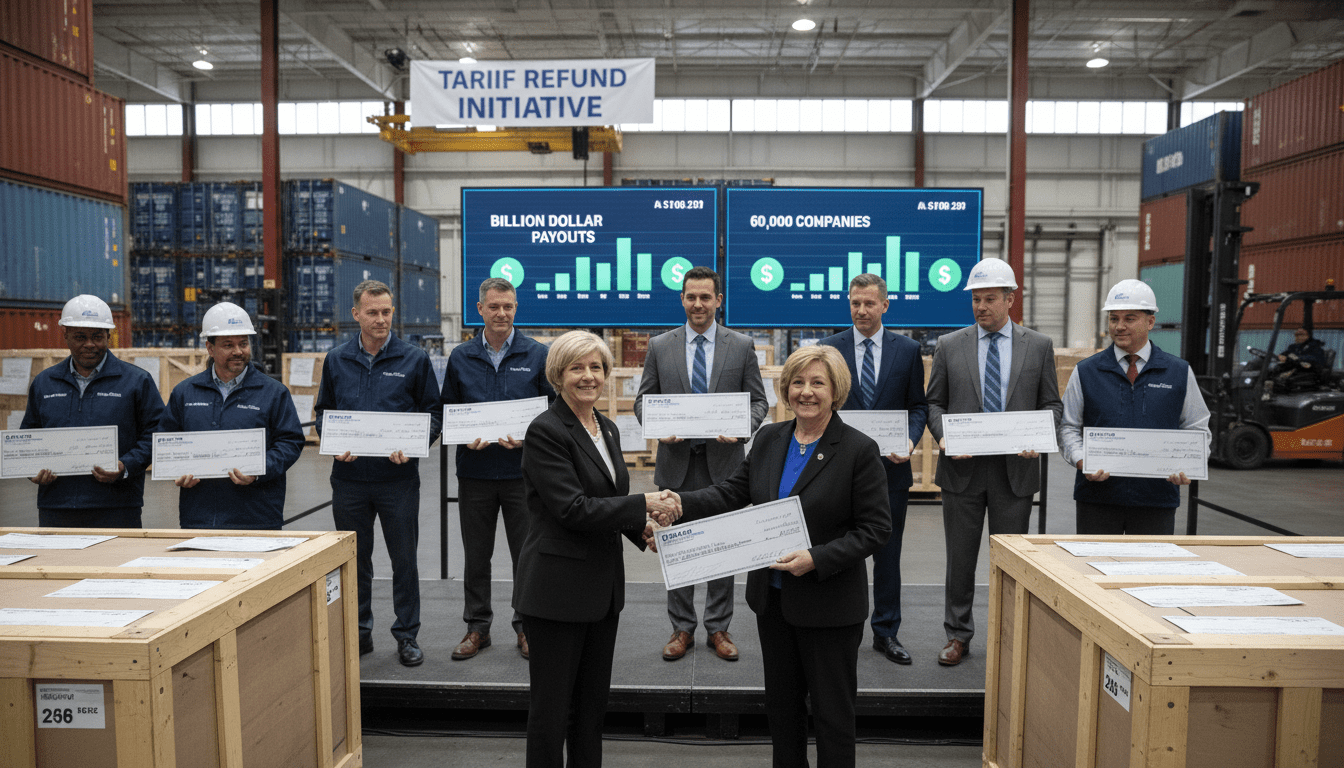
U.S. Begins Disbursing Trump Tariff Refunds to Nearly 60,000 Companies
U.S. starts issuing Trump tariff refunds to nearly 60,000 firms after a court ruling, obliging billions in duty reimbursements and prompting legal questions.
The U.S. government has begun issuing large-scale tariff refunds following a court decision that found parts of the administration’s duty collections unlawful, offering relief to nearly 60,000 companies that imported goods subject to those measures. The move to disburse what regulators call “refunds and adjustments” follows a legal mandate and represents billions of dollars flowing back to businesses that paid the contested tariffs. The development, referred to in public statements by trade lawyers and industry groups as a major reversal of prior policy, is likely to influence corporate balance sheets and pricing decisions across multiple sectors. Officials and legal counsel caution that the payout plan is complex and will unfold over weeks or months as agencies process claims.
Court mandates billions in tariff refunds
A federal court ruling ordered the repayment after finding that certain tariff actions exceeded statutory authority or were applied improperly, a decision that federal agencies have begun to implement. The exact total to be returned has been described in official notices as “in the billions,” and agencies are compiling claimant lists and validating past duty payments. Judges in the case reviewed the legality of the tariff measures and concluded that the government must correct its collection practices by reimbursing affected importers. The order covers a broad set of entries and requires bureaucratic steps to calculate individual entitlements.
Nearly 60,000 companies cleared for repayment
Government notices indicate that almost 60,000 firms may be eligible for reimbursement, spanning small importers and major multinational corporations across manufacturing, retail and logistics. Eligibility will depend on documentation of past payments and the specific tariff codes applied at the time of importation, which means some companies will receive full restitution while others may get partial adjustments. Industry associations have already begun mobilizing member support to ensure filings are complete and timely, while accountancy teams are recalculating past cost structures to reflect expected refunds. Trade advisers warn that companies should not assume immediate cash receipts; administrative verification will determine timing and amounts.
Federal agencies begin processing claims
U.S. Customs and Border Protection, working with the Department of the Treasury and related offices, has started to implement the court’s directive and set up procedures to accept and adjudicate refund claims. Officials say the process will involve cross-checking import documentation, payment records and tariff classifications before issuing payments or credits to importer accounts. Agencies are also prioritizing automated systems and legacy records reconciliation to handle the volume, but they acknowledge that resource constraints and legal complexity may slow some disbursements. Treasury statements suggest that where overcollections are clear, crediting mechanisms will be used to expedite relief while disputes are resolved.
Legal reasoning cited by commentators and counsel
Legal analysts point to the court’s interpretation that certain tariff proclamations or enforcement practices exceeded statutory bounds or failed to follow required procedures, creating a basis for restitution. The decision relied on statutory text and administrative law principles, according to summaries prepared by law firms advising affected clients. Observers expect the government to consider appeals or to seek narrow implementation pathways that limit long-term fiscal exposure, while plaintiffs and industry groups push for swift payment. Future litigation could clarify the scope of liability and establish precedent for similar tariff disputes.
Businesses anticipate adjustments to costs and contracts
Companies that imported under the contested tariffs say they expect to see direct improvements to working capital and may revise pricing, contract terms, and hedging strategies as refunds arrive. Retailers and manufacturers with tightly negotiated margins could pass some of the benefit to consumers, while others may use the funds to invest in inventory, pay down debt or offset prior losses. Financial analysts warn that markets will incorporate the refund news unevenly, depending on visibility of the amounts at individual firms and the pacing of payouts. Trade policy experts add that the ruling may deter future aggressive tariff measures if they are judged financially risky by courts and costly for public coffers.
The administration’s implementation of the court-ordered repayments marks a significant procedural and financial shift in U.S. trade enforcement, and the effects will ripple through import-dependent sectors, legal practice, and policy debates. Companies eligible for refunds should engage counsel and customs brokers to confirm documentation and monitor agency guidance closely, while market watchers will track announcements for clues about the total sums and the timetable for distribution. As agencies move from legal obligation to operational execution, the interplay of administrative procedure, appellate review and business response will shape how quickly and comprehensively the Trump tariff refunds reach the firms that paid them.
