
Healthy Options at Chipotle: How to Build Balanced, Lower‑Calorie Meals
Practical guide to healthy options at Chipotle: nutrition tips, allergen transparency, protein choices, and step‑by‑step ways to build lower‑calorie bowls.
Chipotle’s menu continues to attract attention from diners seeking quick, health-conscious meals, and its transparency tools make it easier to choose healthy options at Chipotle. The chain publishes detailed nutrition and allergen information and offers a nutrition calculator that customers can use to estimate calories and macronutrients. Nutrition-conscious diners and reporters say the restaurant’s customizable format lends itself to both plant-forward and protein-focused meals when ordered intentionally.
Chipotle’s nutrition transparency and tools
Chipotle provides calorie counts and ingredient lists for each menu item, and its online nutrition calculator is designed to show how choices stack up. Users can select bases, proteins, toppings and salsas to view real-time totals for calories, fat, protein and carbohydrates. That level of visibility allows customers to build meals that meet targets for calories or macros without guessing.
The chain also labels its Lifestyle Bowls to fit specific diets and lists allergen sources on its corporate website. Those resources are intended to help customers identify options that fit Whole30, keto, paleo or high-protein plans. Nutrition specialists say tools like these reduce uncertainty when dining out and can support consistent healthier choices.
Allergen guidance and ingredient exclusions
Chipotle publishes an allergen chart that identifies sources of dairy, soy, gluten and sulfites in menu items, which helps customers manage intolerances or allergies. The restaurant does not use many common allergens systemically: eggs (except where breakfast is served), mustard, peanuts, sesame, shellfish, fish and tree nuts are not standard ingredients at most locations. This simplifies choices for many customers with dietary restrictions.
The company’s only soy-based protein is sofritas, a seasoned tofu option, and gluten is largely restricted to flour tortillas used for burritos and tacos. For people avoiding soy or gluten, staff and online labeling make swaps straightforward, and many patrons opt for bowls or salads to eliminate the tortilla entirely.
Meat and plant protein options by nutrition
Chipotle’s primary animal proteins include steak, barbacoa, various chicken preparations and carnitas, and these differ in fat and protein content. Grilled chicken, steak and barbacoa are frequently highlighted as lower-fat choices with favorable protein-to-fat ratios, often providing at least 21 grams of protein and relatively low carbohydrate counts when ordered without rice. Nutrition-minded customers can use these options to create meals that emphasize lean protein.
For plant-based eaters, Chipotle offers black beans, pinto beans and sofritas as protein sources made without animal-based additives. A bowl built with beans or sofritas plus fajita vegetables, brown rice and guacamole can deliver substantial protein and fiber, and the chain’s policy of including guacamole at no extra charge on vegetarian selections in some markets adds both healthy fats and satiety.
Building a lower‑calorie bowl step by step
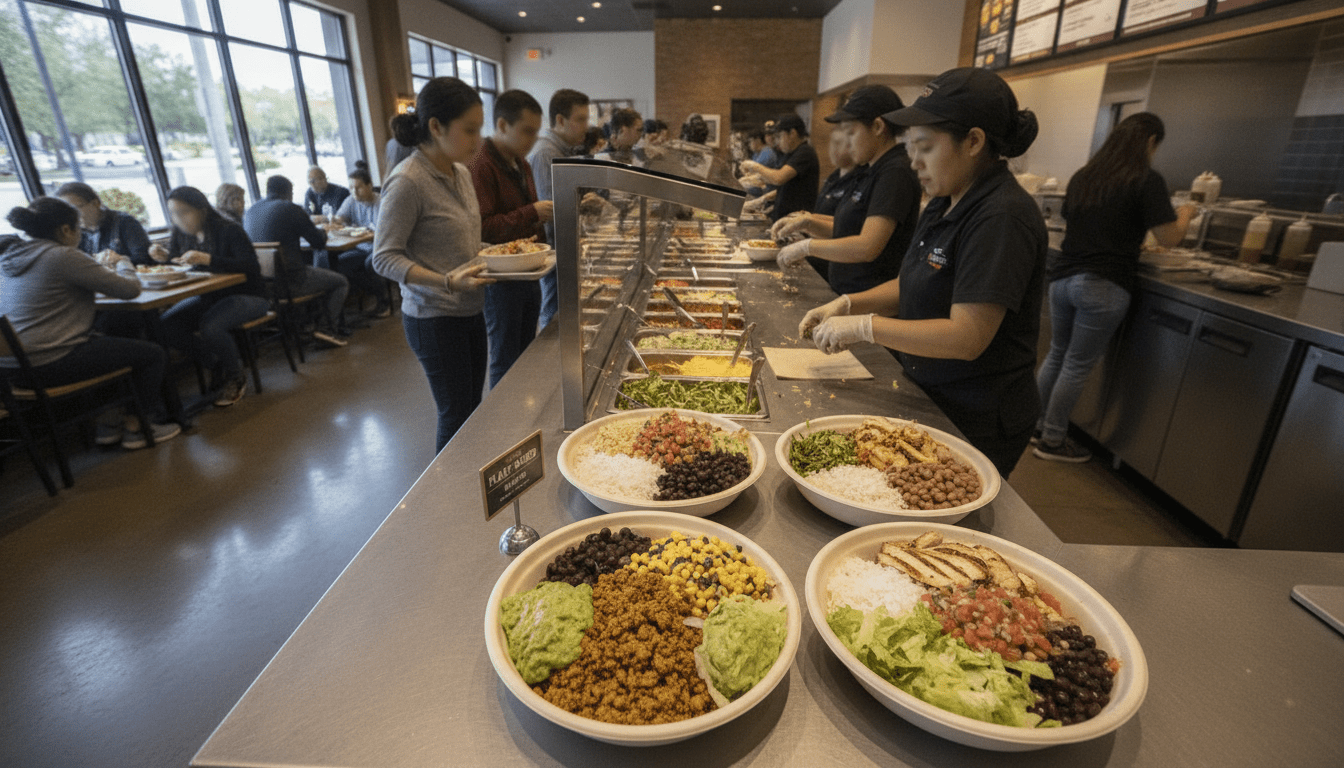
To keep a meal under 500 calories, start with a low-calorie base such as SuperGreens or a small portion of brown rice, then add beans for fiber and plant protein. Favor fajita veggies, fresh tomato salsa and a moderate scoop of guacamole to boost vitamins, minerals and healthy fats without excessive calories. Skipping chips and queso and limiting high-calorie toppings like sour cream will significantly reduce the total.
Using the nutrition calculator while assembling ingredients helps customers see the effect of each addition in real time. For example, a salad with black beans, fajita veggies, fresh tomato salsa, guacamole and a SuperGreens base can total roughly 390 calories and provide a balance of carbs, protein and fats. Portion control and ingredient choices are the most reliable levers for cutting calories at the counter.
Lifestyle Bowls for keto, paleo and high‑protein diets
Chipotle markets pre-configured Lifestyle Bowls designed to meet specific dietary patterns, and those bowls can also be customized at the point of order. Options labeled for keto or paleo swap rice and beans for extra vegetables and proteins, while high-protein bowls emphasize meat choices and may include double protein portions. Customers who follow strict diet plans still benefit from tailoring these bowls to personal needs.
Dietitians recommend reviewing the ingredient list for each Lifestyle Bowl and adjusting portions to control sodium and calories. Even diet-specific bowls can become calorie-dense if users add chips, queso or extra dressings, so the company’s tools and staff guidance remain important for maintaining the intended nutritional profile.
Calories and common high‑calorie pitfalls
Some menu items at Chipotle can carry unexpectedly high calorie counts; a large bag of chips can exceed 800 calories and a fully loaded burrito can climb past 1,200 calories. Flour tortillas themselves contain roughly 320 calories and 50 grams of carbohydrates, which can quickly amplify a meal’s total. Recognizing these high-calorie elements helps diners avoid common pitfalls when they are tracking intake.
Choosing bowls or salads instead of burritos, picking grilled proteins over fried or heavily sauced options, and prioritizing vegetables and beans will typically lower calorie totals. Regular customers who use the brand’s nutrition calculator report that small swaps—opting for salsa instead of queso, or choosing corn tortillas over flour—make major differences in weekly calorie balance.
Chipotle’s combination of explicit nutrition information, customizable menu structure and a handful of plant-forward options makes it possible to assemble balanced meals that fit a range of dietary goals. By using the company’s published tools and focusing on vegetables, beans and lean proteins, diners can reliably access healthy options at Chipotle without sacrificing convenience.
