
Antisemitism in Germany Rises, Survey Finds Majority of Jewish Communities Feel Less Safe
Meta description: A Zentralrat survey of 102 communities finds antisemitism in Germany has increased since Oct. 7, 2023, with safety concerns, falling support and bleak future views.
The discovery of violent antisemitic graffiti in Berlin and a new survey by the Zentralrat der Juden underline growing concerns about antisemitism in Germany and its impact on Jewish life. The survey, which polled 102 Jewish communities across the country, finds a sharp rise in feelings of insecurity since October 7, 2023. Community leaders say public indifference to incidents in the streets and online has contributed to a sense that hostile rhetoric is becoming normalized.
Berlin Pankow Graffiti Sparks Alarm
In recent days, walls in the Berlin-Pankow district were daubed with explicit calls for violence against Jews, a development that community leaders say crystallizes broader trends. The slogans prompted limited visible public protest, a fact Josef Schuster, president of the Zentralrat der Juden, described as evidence of a disturbing normalization of antisemitic hate. Local figures and the Zentralrat argue that such incidents should trigger stronger civic and political reactions, not resignation.
Nationwide Survey Shows Majority Feel Less Secure Since October 7, 2023
The Zentralrat’s questionnaire of 102 communities indicates that more than two-thirds now rate life in Germany as less safe than before the mass killing by Hamas on October 7, 2023. Respondents cited a rise in antisemitic incidents and aggressive demonstrations against Israel as key drivers of the heightened anxiety. The report notes that the temporary ceasefire in Gaza did not alleviate worries and that wider regional tensions, including conflict involving Iran, have further increased fear.
Visibility of Jewish Life Is Diminishing, Parents Restrict Symbols
The survey finds a marked decline in the public visibility of Jewish life, with many families choosing to downplay religious signs and celebrations in public. Parents, especially those with children and teenagers, report restricting wearing of visibly Jewish symbols out of concern for their safety. Community leaders warn that this forced invisibility undermines cultural and religious expression and weakens the presence of Jewish life in public spaces.
Only a small minority of communities view the future of Jewish life in Germany positively, with just 13 percent reporting an optimistic outlook. A further 56 percent described their prospects as pessimistic while roughly one-third remained neutral. Across Europe the mood is even darker: 81 percent of surveyed communities outside Germany rated prospects as negative, and only a tiny fraction expressed strong optimism.
Support from Civil Society Has Fallen Dramatically
The Zentralrat also documented a steep drop in perceived support from broader civil society; currently 35 percent of communities feel supported compared with 62 percent two years earlier. Several respondents said that the erosion of solidarity has pushed Jewish individuals and families toward retreating into their own networks. The decline in public backing is portrayed in the report as a critical factor compounding fears and isolation.
Police Cooperation Rated High Despite Rising Anxiety
Despite the bleak assessments in other areas, the vast majority of surveyed communities reported confidence in law enforcement, with 91 percent expressing satisfaction with police work. Jewish leaders credited local security cooperation for helping protect institutions and events, even as they emphasized that policing alone cannot reverse social shifts. Officials stress that prevention, education and civic engagement must accompany security measures to restore a sense of belonging.
Zentralrat President Urges Collective Response
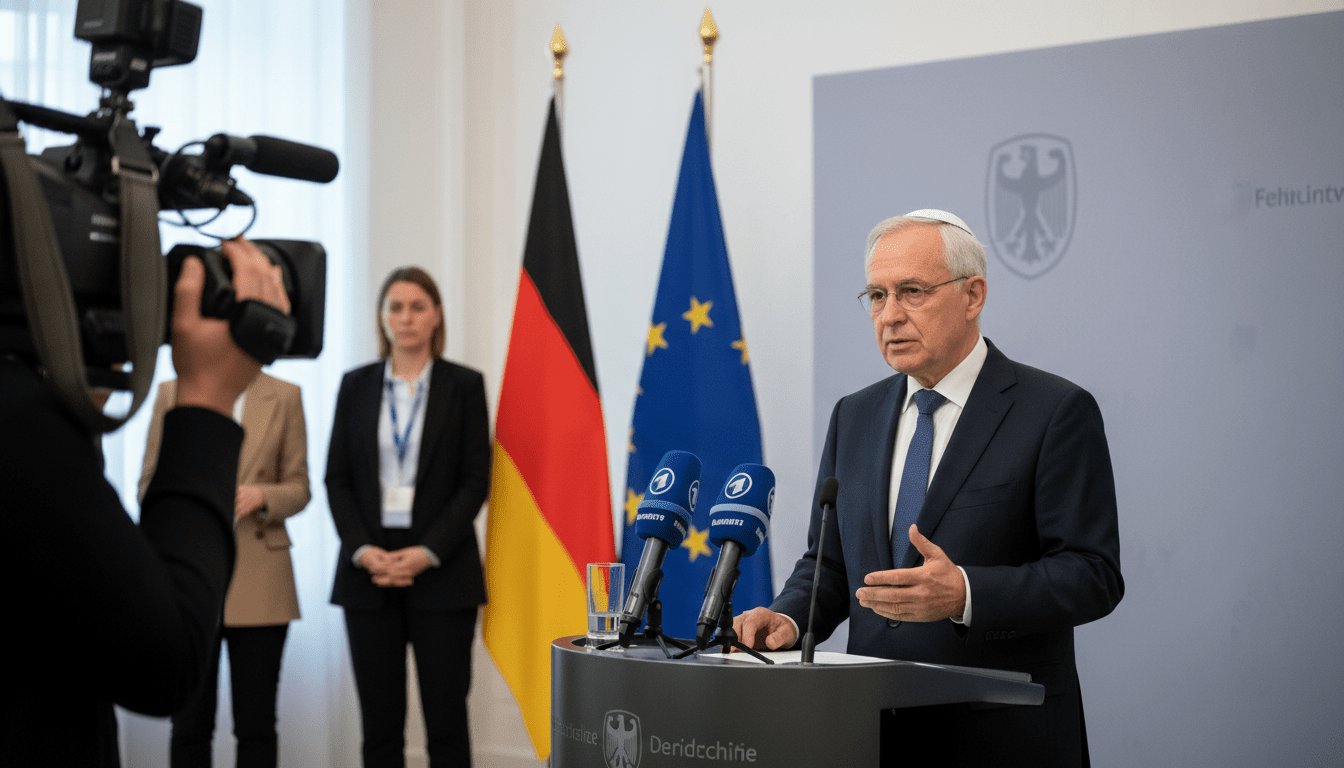
Josef Schuster framed the survey results as both an alarm and a call to action for policymakers and society at large, arguing that the apparent normalization of Jew-hatred requires concentrated effort to counter. He urged political leaders, civil organizations and citizens to strengthen solidarity, improve prevention and invest in measures that protect communal life. Schuster warned that reversing the trend will demand sustained public will and institutional commitment.
The Zentralrat’s findings paint a portrait of communities under strain: secure cooperation with police exists, but social backing has frayed and fears have deepened since October 7, 2023. With a majority of communities reporting a diminished sense of safety and an increasingly pessimistic outlook, Jewish leaders say immediate and coordinated steps are needed to prevent further erosion of Jewish life and to confront the rise of antisemitism in Germany.
