
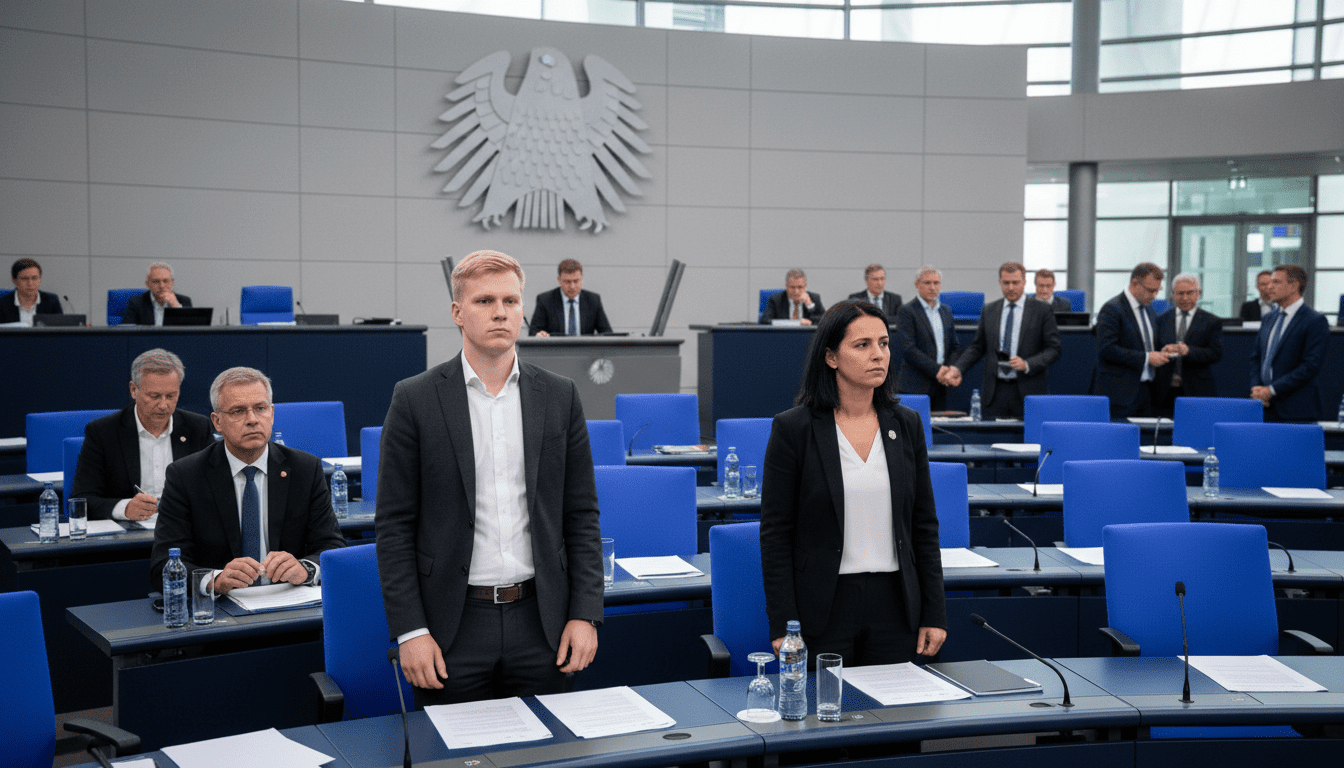
Bundestag lifts immunity of MPs Hannes Gnauck and Gökay Akbulut
Bundestag lifts immunity for MPs Hannes Gnauck and Gökay Akbulut, allowing criminal probes; Gnauck’s case is linked to the former Junge Alternative in Germany.
The Bundestag has voted to lift parliamentary immunity for Hannes Gnauck and Gökay Akbulut, clearing the way for prosecutors to pursue criminal investigations. Bundestag lifts immunity was the decisive step that removes legal protections shielding the two lawmakers from immediate prosecution. The move was announced after parliament considered requests to allow investigative authorities to proceed.
Parliamentary motion and vote
After receiving formal requests from prosecutors, members of the Bundestag debated whether to allow investigations to proceed. Parliamentarians weighed the legal and political implications before voting to remove immunity for both MPs so that evidence can be gathered and legal steps taken.
The decision follows established procedures for handling immunity requests and was made in plenary session. Lawmakers acted on the basis that lifting immunity does not imply guilt but permits judicial authorities to investigate alleged conduct.
Allegations linked to Hannes Gnauck and Junge Alternative
In Gnauck’s case, investigators have signalled interest in activities connected to the former Junge Alternative youth organization. The Junge Alternative has previously been classified by domestic authorities as right-wing extremist, and that designation has drawn heightened scrutiny for anyone linked to the group.
Officials have not disclosed detailed charges publicly, but the Bundestag’s decision indicates prosecutors require access to evidence or testimony potentially held by the MP. Gnauck is a member of the AfD, and the party’s ties to fringe groups have been a focal point of earlier security assessments.
Proceedings involving Gökay Akbulut
The lifting of immunity for Gökay Akbulut relates to a separate inquiry that has not been fully detailed in public statements. Parliamentary records show that prosecutors requested the removal of her immunity to enable standard investigative measures, but authorities have withheld specific allegations pending further legal steps.
Akbulut, as a sitting member of the Bundestag, will remain entitled to exercise parliamentary duties while the inquiry proceeds. Legal counsel for the MP may challenge aspects of the investigation or seek to limit the scope of evidence collection as the case advances.
How Bundestag immunity is handled
Parliamentary immunity protects lawmakers from being prosecuted in ways that could impede their legislative work, but it is not absolute. When prosecutors present sufficient grounds, the Bundestag can vote to lift immunity, routinely after review by its immunity committee and debate in the chamber.
Lifting immunity enables prosecutors to carry out searches, take statements and, if warranted, press charges. The Bundestag’s action is procedural and designed to balance the need for independent judicial inquiry with the principle of parliamentary protection.
Political reactions and party positions
The decision triggered responses across the political spectrum, with some parties stressing the importance of upholding the rule of law. Supporters of the measures emphasized that allowing investigations to proceed is a neutral step necessary for legal clarity and public trust.
Political allies of the two MPs framed the vote as politically charged and warned against premature judgments. Observers note that immunity decisions often become flashpoints in broader debates about accountability, party extremism and parliamentary privilege.
Legal consequences and next steps
With immunity lifted, prosecutors can now move forward with formal investigative actions, which may include interviews, document seizures and potential charges if evidence supports them. The pace and scope of the inquiry will depend on the findings and whether further judicial authorizations are required.
If prosecutors bring charges, the matter will enter the court system and be decided on its legal merits. Until then, both Gnauck and Akbulut remain legally presumed innocent, and the parliamentary measure should be understood as a procedural facilitation of judicial processes.
The Bundestag lifts immunity in high-profile cases like these to allow independent authorities to examine allegations without obstruction, while preserving the institutional separation between legislative functions and criminal prosecutions.
