
AfD racism fuels debate as German security agency flags rise in right‑wing extremism
Verfassungsschutz warns of rising right-wing extremism as AfD racism tied to national team remarks sparks debate on citizenship, equality and Germany’s values.
Germany’s domestic security agency, the Office for the Protection of the Constitution (Verfassungsschutz), has recorded a notable increase in right‑wing extremist activity while comments by AfD politicians about the national football team have intensified scrutiny of the party’s stance on race and belonging. AfD racism has emerged at the center of a broader public discussion about citizenship, equal treatment under the law and the boundaries of acceptable political discourse. The controversy has prompted politicians, civil society groups and legal experts to reassess how political rhetoric intersects with constitutional principles.
Security agency findings and broader context
The Verfassungsschutz’s recent assessments point to a measurable uptick in actors and networks that the agency considers part of the right‑wing extremist milieu. Analysts say this trend coincides with more visible, public statements from certain AfD representatives that explicitly or implicitly discriminate on the basis of ethnicity or skin color. Observers warn that rhetoric which categorizes citizens by appearance risks normalizing exclusionary ideas and can feed radicalizing ecosystems.
Public authorities and watchdogs emphasize that tracking extremist activity involves both monitoring organized groups and noting when mainstream political actors adopt language that aligns with extremist narratives. The distinction matters because when such language moves from the margins into established party discourse, enforcement and prevention efforts become more complex. Officials argue that institutional responses must address both clandestine networks and overt political signals.
National team remarks that sparked the debate
The debate intensified after remarks from several AfD figures criticizing members of the national football team on the basis of appearance and origin. Critics say those comments constitute a form of racial sorting that contradicts the equal‑protection ideals enshrined in Germany’s Basic Law. Supporters within and around the party have framed their statements as cultural or identity critiques, but opponents contend the rhetoric crosses into discriminatory territory.
Football, as a highly visible national symbol, has repeatedly become a flashpoint for discussions about identity in Germany. The current episode has made clear that comments about who represents the nation on an international stage are not merely about sport. They are read by many as signals about who is regarded as genuinely German and who is not, a distinction that has severe political and social consequences.
Constitutional implications and citizenship law
Legal scholars have pointed out that Germany’s citizenship rules, while preserving elements of the principle of descent, also protect equality before the law. The Basic Law does not countenance ethnic or racial criteria for belonging, and public officials’ rhetoric is measured against that constitutional baseline. When elected figures articulate positions that appear to prioritize ethnic homogeneity, they raise questions about their commitment to constitutional norms and inclusive citizenship.
Experts note the practical consequences of conflating nationality with appearance. Children born to German parents are German regardless of phenotype, and historic examples underscore the country’s diverse makeup across generations. Debates over “ethnic purity” are thus at odds with both statutory law and long‑standing democratic principles, scholars say, and they risk undermining public confidence in institutions designed to uphold equal rights.
AfD internal dynamics and party accountability
Within the AfD, tensions persist between factions that emphasize hardline identity politics and those advocating a more pragmatic political approach. Observers say that as long as exclusionary language is tolerated within party ranks, it becomes embedded in the party’s identity and electoral brand. Critics argue that such tolerance effectively makes discriminatory positions integral rather than marginal to the party’s platform.
Calls for accountability have come from across the political spectrum, including from former party members and allied organizations that distance themselves from racist rhetoric. How the AfD leadership responds — through discipline, repudiation, or silence — will influence whether observers view these incidents as isolated lapses or symptomatic of deeper ideological commitments. The party’s internal mechanisms for addressing controversial statements therefore carry significant weight.
Public reaction and civic response
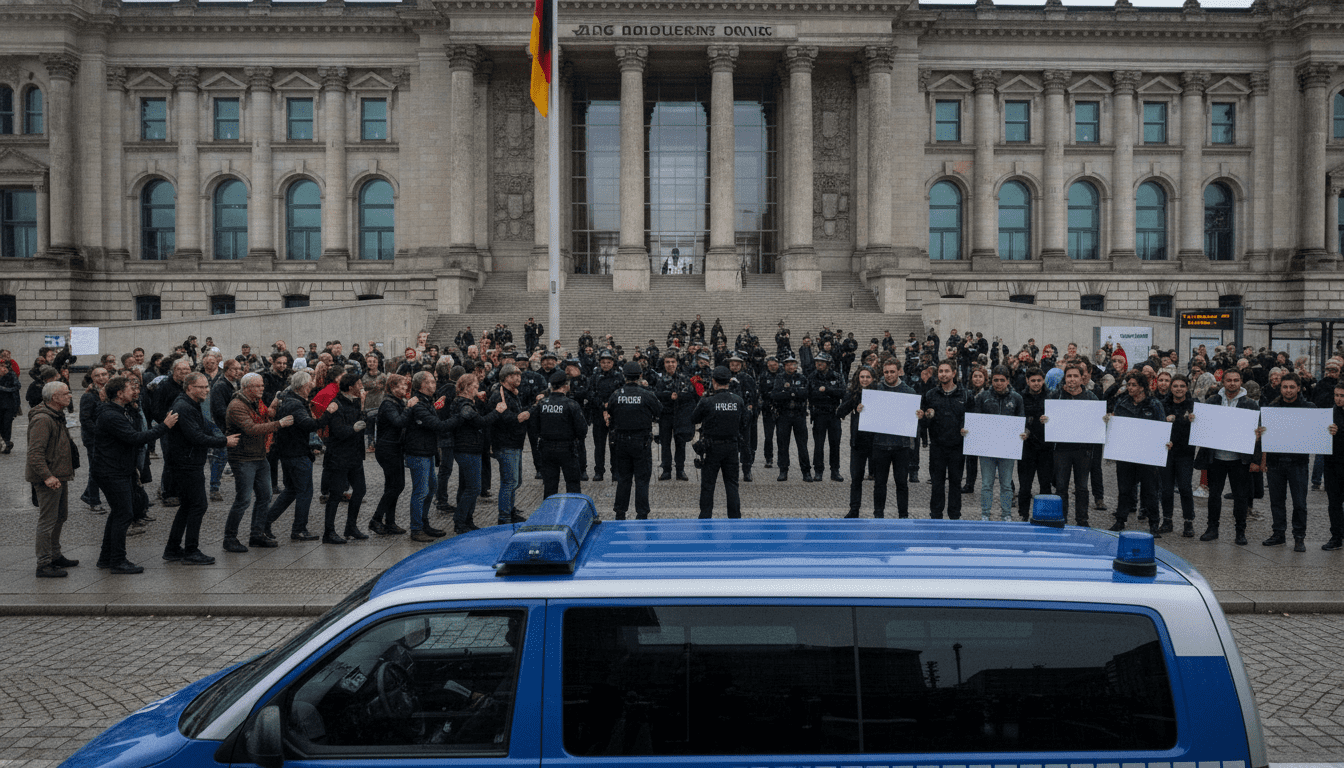
The controversy has mobilized a range of civic actors, from civil‑rights organizations to community leaders and sports officials, who stress the importance of public institutions reflecting pluralism. Protests, statements of solidarity with targeted athletes, and renewed campaigns promoting inclusion have accompanied the debate. Many commentators see the civic response as a test of Germany’s resilience to rhetoric that seeks to divide on racial or ethnic lines.
At the same time, analysts caution against conflating all criticism of immigration or national identity with racism. They argue for precise public discourse that distinguishes policy debate from discriminatory claims, while remaining vigilant about language that fosters exclusion. This balance is central to preserving open democratic debate without permitting normalization of prejudice.
Wider political actors now face choices about how forcefully to condemn discriminatory speech and how to strengthen civic education and legal safeguards. The debate also raises questions for sports institutions and cultural bodies about their role in defending inclusion and representing the country’s diversity.
The unfolding controversy over AfD racism and the Verfassungsschutz warnings has sharpened attention on the intersection of party politics, constitutional norms and social cohesion, forcing public institutions and political leaders to clarify where they stand on equality and belonging in Germany.
